


TL;DR
- Columbina, also known as Damselette, is the Third of the Fatui Harbingers, ranking her high in authority within the organization.
- Her personality is characterized by emotional distance and calmness in situations involving death, making her presence unsettling compared to other antagonists.
- There is minimal confirmed lore about Columbina, leading to various theories about her age, origins, and connections to cosmic themes and ancient moons.
Disclaimer: This summary was created using Artificial Intelligence (AI)
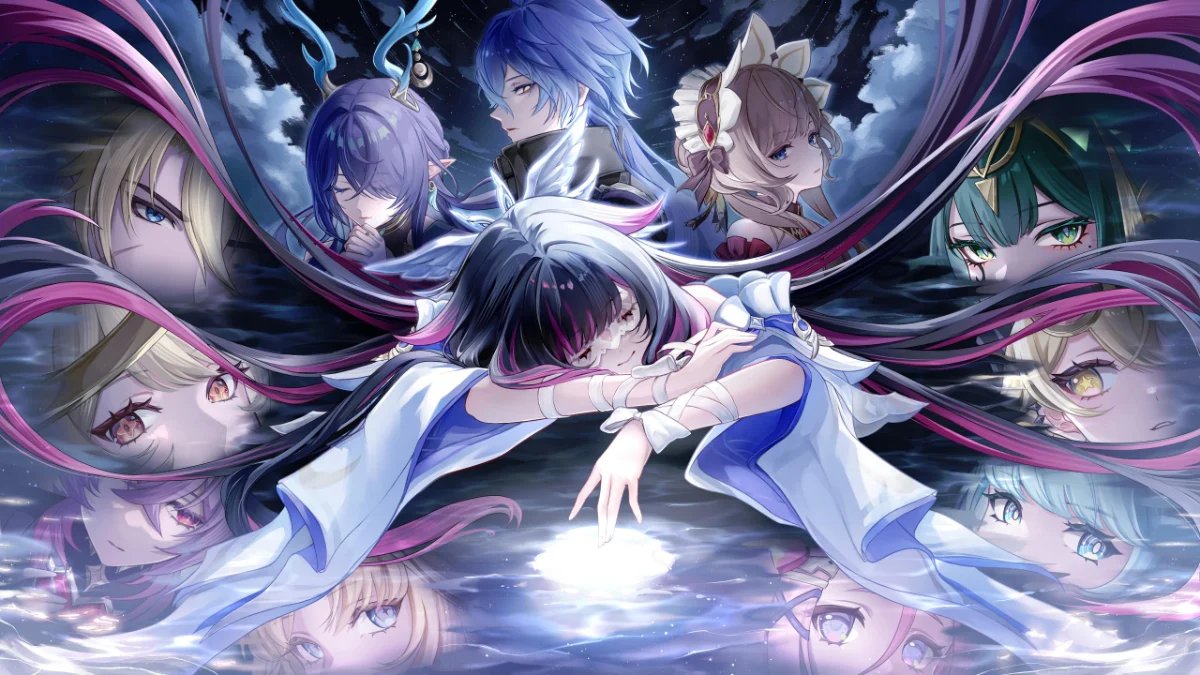
Columbina personality is one of the most unsettling mysteries in Genshin Impact, and that’s very clearly by design. She barely speaks, barely reacts, and yet somehow manages to feel more dangerous than Harbingers who openly threaten entire nations. As the Third of the Fatui Harbingers, Columbina also known as Damselette, has had minimal screen time so far, but the impact she’s left is outsized.
Unlike louder antagonists, Columbina’s presence works through contrast and HoYoverse isn’t just making her creepy for aesthetics, they’re signaling that her personality matters for the bigger picture.
This article breaks down everything we currently know (and don’t know) about Columbina’s personality in Genshin Impact. That includes confirmed lore, common misconceptions, her lullaby and what it actually means, her visual symbolism, theories around her age and origins, and why she’s likely far more important than she appears.
Who Is Columbina in Genshin Impact?
Genshin Impact Characters
Columbina, codenamed Damselette, is officially ranked as the Third of the Eleven Fatui Harbingers. That alone tells you a lot. She outranks characters like Arlecchino, Pulcinella, and Scaramouche, which puts her extremely close to the Tsaritsa in terms of authority and trust.
Her first on-screen appearance comes from A Winter Night’s Lazzo, where she’s seen quietly singing beside La Signora’s coffin. While the other Harbingers posture, argue, or seethe, Columbina does none of that. She’s calm. Comfortable. Almost detached.
That single scene establishes several core traits immediately:
- Emotional distance
- A lack of visible fear or grief
- Ease around death and loss
Even other Harbingers seem unsettled by her presence, which says a lot considering who she’s standing next to.
See Also: Genshin 6.3 Banner: Columbina, Weapons & Events

Columbina’s Backstory: What’s Confirmed vs What’s Speculated

HoYoverse has revealed very little about Columbina’s backstory so far, and that silence feels intentional. What is confirmed is her identity as Damselette and her high-ranking position within the Fatui. Beyond that, her limited appearances consistently link her to moon imagery, death-adjacent spaces, and an unnerving emotional calm. Most clearly shown during La Signora’s funeral.
That’s the entire canon foundation. Everything else comes from interpretation.
Naturally, the lack of direct information has led to a lot of theory. Some players believe Columbina may be connected to Teyvat’s ancient moons or even predate the Archon system entirely. Others think her detached personality suggests she exists outside normal human lifespans or emotional frameworks. These ideas aren’t random, they’re built off recurring symbolism. But none of them are officially confirmed yet.
One misconception worth clearing up immediately is the idea that Columbina’s lullaby causes death. There is no canon text supporting that. The song is associated with rest and sleep, not killing. That interpretation comes from metaphor, not confirmation. Like many Genshin characters tied to cosmic themes, Columbina’s story is being told slowly, through mood and implication rather than direct exposition.
Columbina’s Age, Love Interest, and Relationships

Age
Columbina’s age is completely unknown. There is no canon statement placing her within a human timeline. Her rank, behavior, and symbolism all suggest she’s far older than she appears, but that remains unconfirmed.
Love Interest
There is no canon love interest for Columbina.
She shows no romantic attachment to:
- Other Harbingers
- The Tsaritsa (beyond loyalty)
- Any known NPC or faction
Fan shipping exists, but none of it is supported by in-game text or official media.
Columbina Personality Traits: Calm, Childlike, and Deeply Unsettling

Emotionally Flat, but Not Empty
Columbina often gets labeled as emotionless, but that’s not quite accurate. She does express emotion, just not in ways that feel human.
She smiles at funerals, she sings during mourning, and she shows no visible reaction to violence.
That disconnect is exactly what makes her uncomfortable to watch. She doesn’t revel in cruelty, and she doesn’t mourn loss the way others do. It’s not that she enjoys suffering, it’s that suffering may simply not register the same way to her.
Childlike Behavior vs Ancient Presence
One of the most striking parts of Columbina’s personality is the contrast between how she acts and what she represents.
She hums lullabies. She tilts her head innocently. When she speaks, her tone is soft and simple. At the same time:
- Her rank implies massive power
- Other Harbingers treat her cautiously
- Her themes revolve around death, dreams, and moons
That clash has led many players to compare her to a “sleeping god” archetype. Something gentle on the surface, but potentially catastrophic underneath.
Columbina Personality Through Her Eyes: Symbolism and Lore Implications
Columbina’s eyes are one of the most discussed parts of her design, and HoYoverse clearly wants players to notice them.
What we can observe directly:
- A pale, unfocused gaze
- Eyes often half-lidded or vacant
- Little to no visible emotional reaction
From there, interpretation kicks in. Many players believe her eyes symbolize detachment from reality or mortality, suggesting she doesn’t perceive the world the same way humans do. Some HoYoLAB analyses link her gaze to moon imagery and dream states, which lines up neatly with her lullaby and the growing lunar themes surrounding Nod-Krai.
See Also: Genshin New and Upcoming Characters You Might Want to Save For
Columbina Personality And How It Relates To Her Lullaby

Columbina’s lullaby is one of HoYoverse’s clearest signals about how her mind works. Introduced during A Winter Night’s Lazzo, the song plays over La Signora’s funeral, making Columbina the only Harbinger who responds to death with calm ritual instead of anger or ambition.
The lyrics themselves are simple and repetitive. Phrases like “dormite” (“sleep”) and references to rest and quiet dominate the song. There’s no mention of violence or revenge. That’s important, because a lot of players assume the lullaby is dangerous by default. In reality, the lyrics suggest comfort, not threat. The unease comes from when she sings, not what she sings.
This matters because Genshin Impact repeatedly treats sleep as a liminal state. Dreams, Irminsul memories, false skies, and even Archon powers all exist in spaces between consciousness and reality. By giving Columbina a lullaby instead of a threat, HoYoverse subtly places her near those boundaries, between life and death, waking and dreaming.
Paired with her vacant eyes and emotional stillness, the lullaby paints a consistent picture. Columbina doesn’t process death through grief. She processes it through acceptance. Singing “sleep” at a funeral implies a worldview where endings aren’t chaotic but expected.
Some lore theorists take this further and suggest the lullaby reflects an ancient, pre-Archon understanding of the world, possibly tied to Teyvat’s lost moons. While that connection isn’t confirmed, the symbolism is strong enough that it keeps resurfacing for a reason.
Why Columbina Personality Matters to Genshin’s Lore
Columbina personality feels like a setup.
She functions as:
- A contrast to emotionally driven villains
- A bridge between dreams, death, and cosmic cycles
- A likely anchor for Nod-Krai and lunar-focused storylines
HoYoverse has a long track record of using personality as foreshadowing. Columbina’s unnerving calm doesn’t feel like a gimmick. Rather it feels like a warning.
See Also: Genshin Impact 6.3 Banner Value Guide: Best Characters to Pull
Columbina personality is frightening precisely because it’s gentle. She doesn’t rage, dominate, or threaten much like other characters we’ve met. She sings. And in a world where gods fall and nations burn, that quiet certainty feels far more dangerous than any blade.
For now, the safest conclusion is simple: Columbina isn’t meant to be understood quickly. Her personality is a slow burn, designed to linger long after the music stops.
Misconception About Columbina Genshin Impact (Quick FAQ)
It’s only natural that a hero as powerful as Columbina is often misunderstood. People tend to speculate about what they don’t fully understand. Here are some facts about Columbina that you might have gotten wrong.
No. There is no canon evidence that her lullaby causes death; the lyrics reference sleep and rest, not violence.
Unconfirmed. Her symbolism and behavior suggest something beyond a normal human lifespan, but HoYoverse has not confirmed her origins.
No. She has never shown cruelty or enjoyment in suffering; her unsettling presence comes from emotional detachment, not malice.
It’s unclear. Her high rank and calm behavior around death imply authority or power, but the exact reason is unknown.
Probably not. HoYoverse appears to be intentionally revealing her personality slowly through implication rather than direct explanation.
Columbina’s story is clearly building toward something inevitable. When that moment comes, preparation beats regret. Keep your Primogems ready for when the banner drops and top up Genshin Impact crystal on Joytify.
TL;DR
- Columbina, also known as Damselette, is the Third of the Fatui Harbingers, ranking her high in authority within the organization.
- Her personality is characterized by emotional distance and calmness in situations involving death, making her presence unsettling compared to other antagonists.
- There is minimal confirmed lore about Columbina, leading to various theories about her age, origins, and connections to cosmic themes and ancient moons.