


TL;DR
- Fire Emblem: Fortune's Weave was released on September 17, 2026, exclusively for the Nintendo Switch 2, featuring a single save file system that integrates character development across multiple playthroughs.
- The game introduces four distinct protagonists known as the Flame Lords, each with their own campaigns and personal objectives, allowing players to navigate their stories in a non-linear fashion.
- Combat mechanics in Fortune's Weave blend traditional grid-based battles with a new 'Clash' system, creating a varied gameplay experience that includes risk-reward mechanics like Blaze Arts.
Disclaimer: This summary was created using Artificial Intelligence (AI)
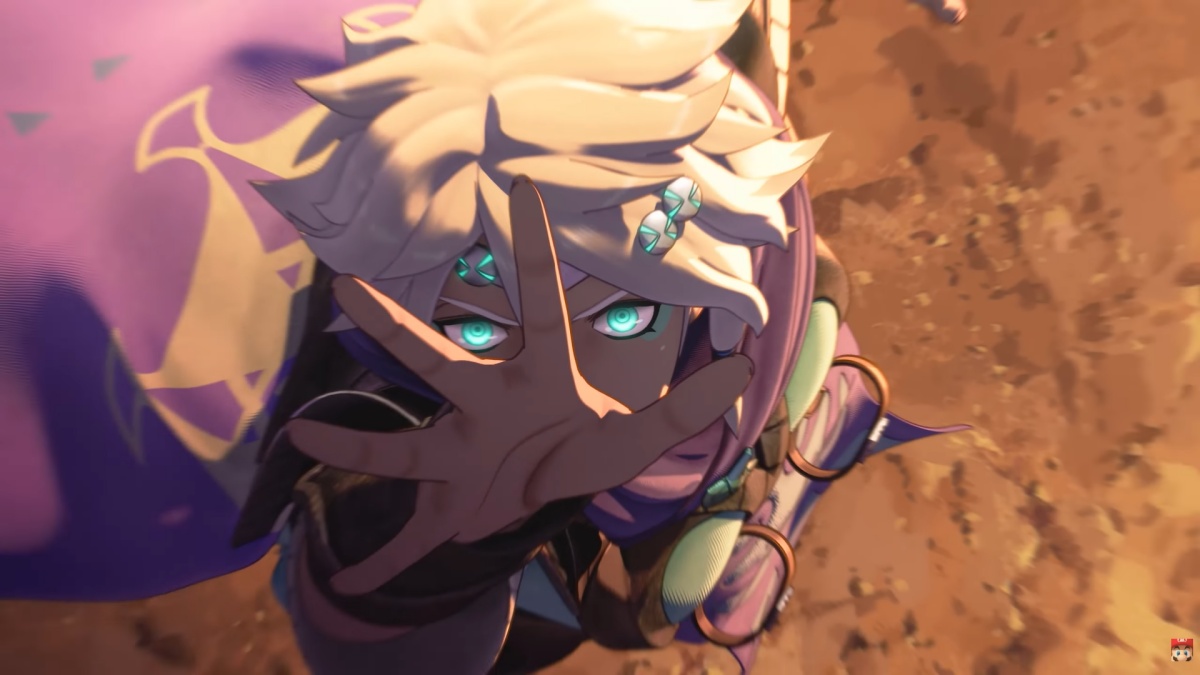
Fire Emblem: Fortune’s Weave is out now on Nintendo Switch 2, and the eighteenth mainline entry in the series picked a strange week to launch.
Reviews landed the same day as the game, the lore threads are already splitting the community in half, and Intelligent Systems built an entire continent just to hand you four heroes and one demon god to stop.
Fire Emblem: Fortune’s Weave’s initial release date was locked in during Nintendo’s June 9, 2026 Direct, closing out a countdown that started with the game’s first reveal on September 12, 2025.
This is also the first mainline game made for Switch 2, and the first entry since Fire Emblem Engage that seems to be aiming past Three Houses instead of standing next to it.
The Japanese title, Banshisenko (万紫千紅), is an old phrase for a riot of blooming color, and once you see Dagda’s sun-bleached arenas and clashing factions, that name fits better than any marketing tagline could.
The Short Version
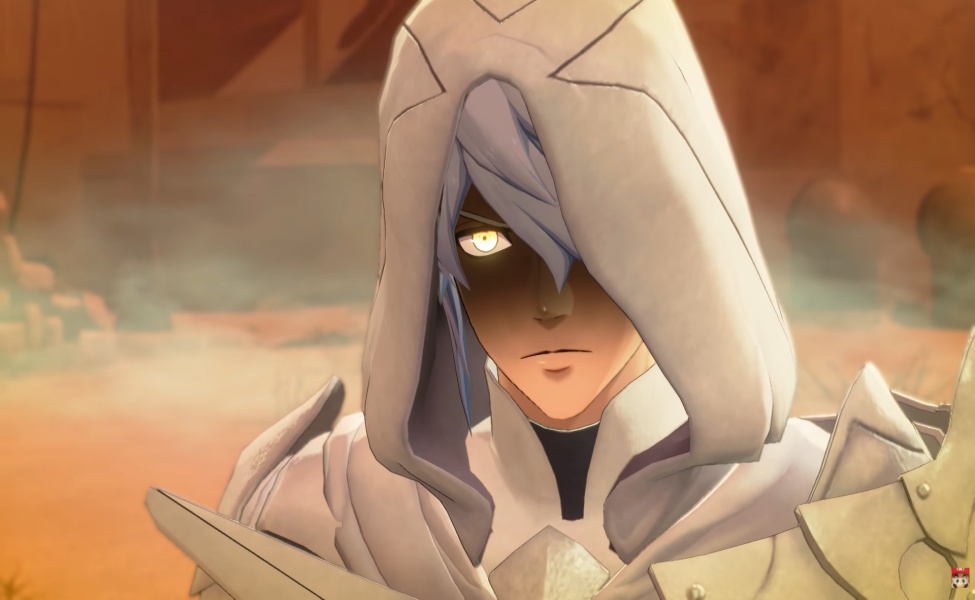
The story throws you into the year 1454, where the underworld demon god Balor has reduced the Dagdan Empire to ash.

Before total annihilation sets in, Sothis snatches your soul from the sky. You wake up as Eshmel, a customizable avatar in white robes, thrown five years into the past to 1449.
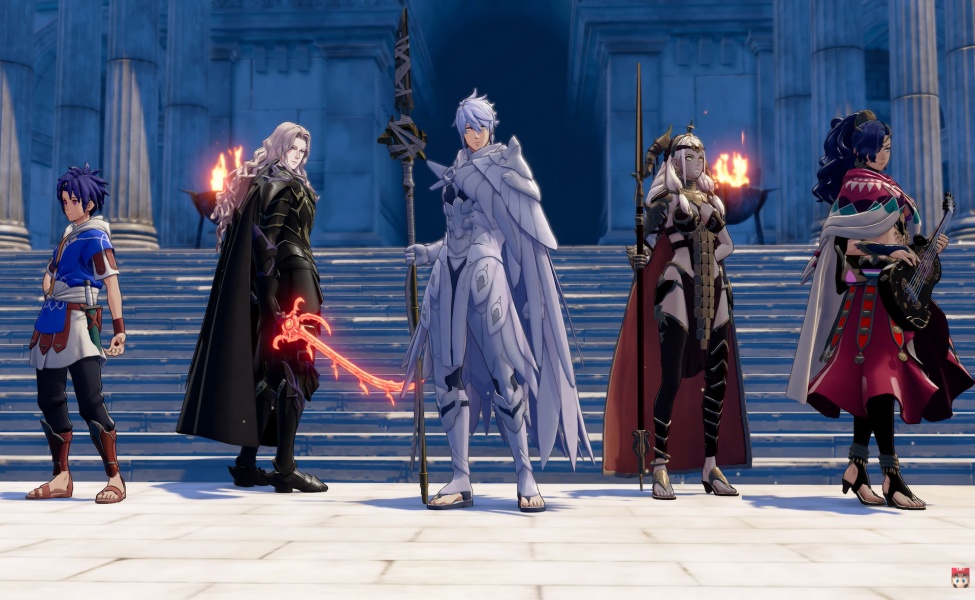
Your objective is simple: ensure four doomed fighters survive the high-stakes Heroic Games in the imperial capital so they can band together and stop Balor five years later. Those four protagonists, the Flame Lords, run distinct campaigns:
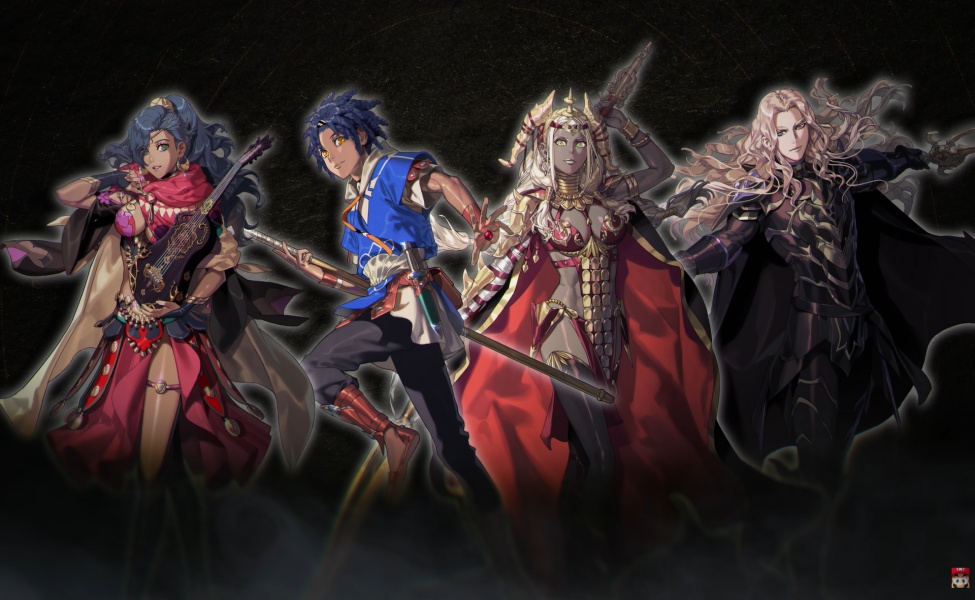
- Cai: A blue-haired village youth from Ribeira fighting to secure freedom for his imprisoned father, Castor.
- Dietrich: A battle-hungry swordsman exiled from Fódlan carrying the bloodline of House Lamine.
- Theodora: The young queen of Saramis entering the arena to claim sovereign rights and divine favor for her nation.
- Leda: A wandering dancer and musician seeking bloody payback against Bertrand, the “White-Maned Demon.”
Instead of locking yourself into a single house for an entire 80-hour playthrough, you can bounce between their stories at will or clear one path before tackling the next. Eventually, all four paths collide into one massive endgame war.
Fire Emblem Fortune’s Weave Initial Release Date and Launch Details
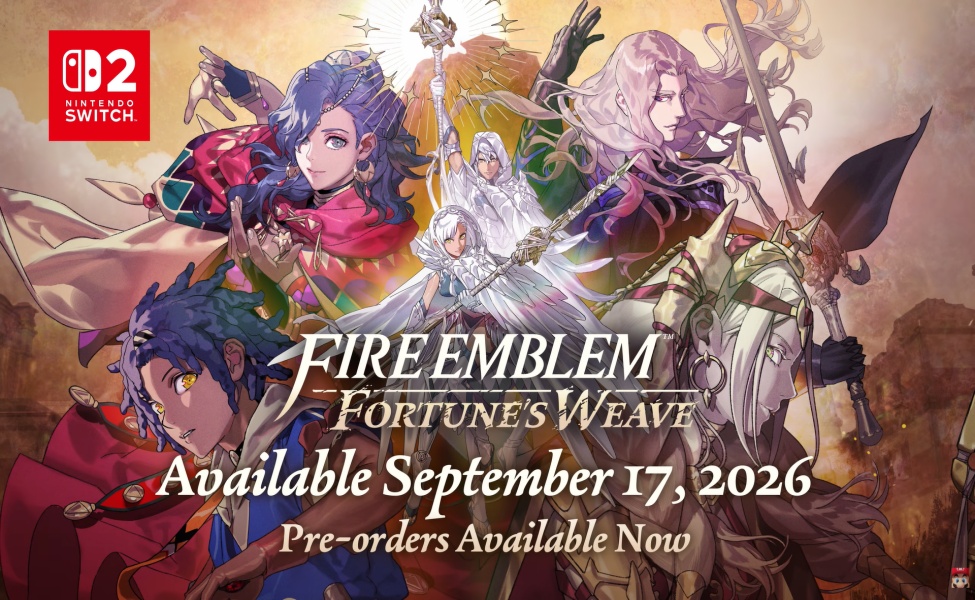
The Fire Emblem Fortune’s Weave landed on September 17, 2026, exclusively for the Nintendo Switch 2.
Digital editions unlocked late the evening prior for western regions, triggering immediate server traffic.
Here is the launch breakdown:
- Standard Digital: $69.99 via Nintendo eShop.
- Standard Physical: $79.99 at retail.
- The Dagdan Collection (Special Edition): $119.99, bundling a custom SteelBook, a 200-page concept artbook, collectible art cards, and a cloth map of the Dagdan Empire.
- Install Size: Approximately 29.5 GB on system storage.
- Development Leads: Directed in-house by Toshiyuki Kusakihara (Three Houses), with character designs by Chinatsu Kurahana and a fiery, flamenco-infused soundtrack composed by Takeru Kanazaki. Koei Tecmo did not co-develop this entry; Intelligent Systems handled production internally alongside Nintendo.
See Also: Clash of Clans MOD APK: Infinite Gems, Private Servers, and Risk
Why Dagda Feels Different
Dagda sits south of Fodlan, its capital is Dagsion, and the empire has apparently been “ruled by the gods” for around 1,500 years.
Neighboring nations Saramis, Damascar, and Brezarant all bleed into the setting, and the whole region reads like ancient Mediterranean coastline: sun, salt water, packed arenas, and gods who walk around in public instead of hiding behind church doors.
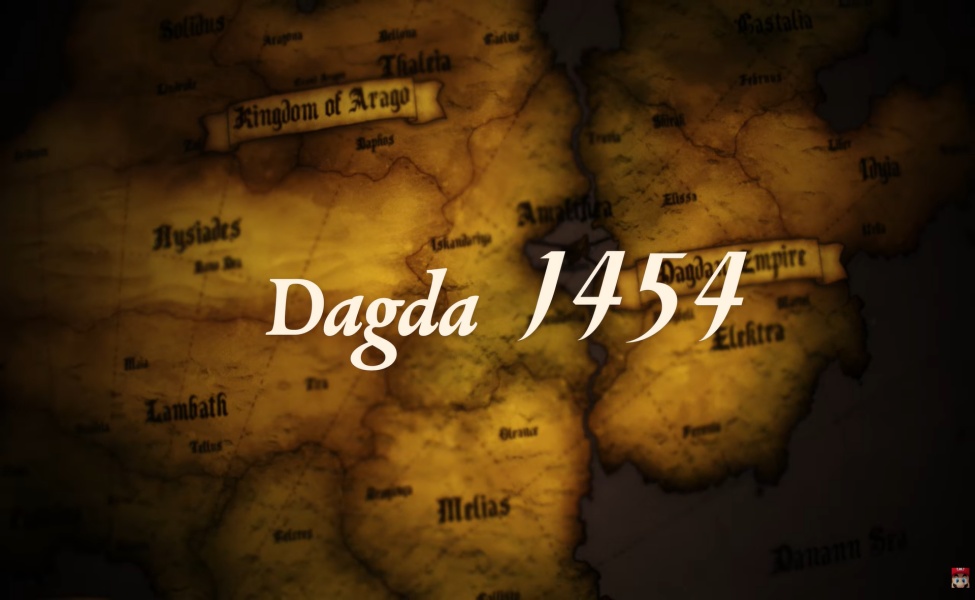
Director Toshiyuki Kusakihara has said he wanted the opposite of Fodlan’s tight, doctrinal feel. Dagda is supposed to feel loose and hot, a city where people from a dozen nations crash together because the Heroic Games promise a single life-changing wish to whoever wins.
Family, not destiny, is the thread running through all four lords. Nobody here signed up to be a chosen one. They just wanted to protect their people, and history dragged them into a bigger fight anyway.
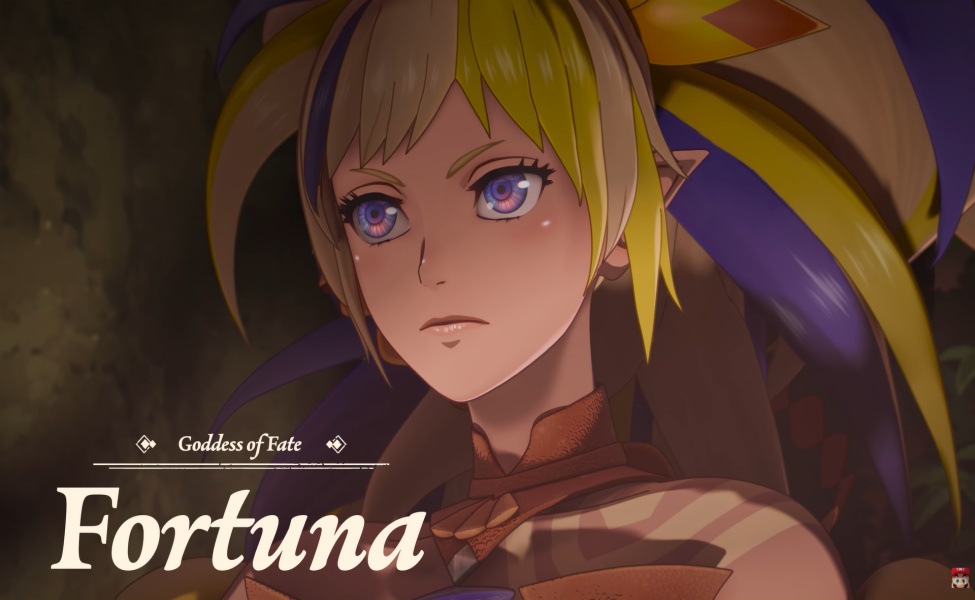
Sothis returns, older this time. Fortuna is the new goddess of fate, the one who lets you rewind a battle when it goes sideways.
Solel runs the Heroic Games as the sun god in charge. Balor is the problem waiting five years down the road, the reason any of this matters at all.
Story and Gameplay of Fire Emblem Fortune’s Weave
The opening cinematic is set in 1454, with Dagda already burning, before Fortuna throws you back to 1449.
Part 1 covers the Heroic Games themselves: a school-calendar rhythm inside Dagsion, free time between matches, side trips outside the city walls, and one full campaign per lord that you can finish solo or juggle at the same time.
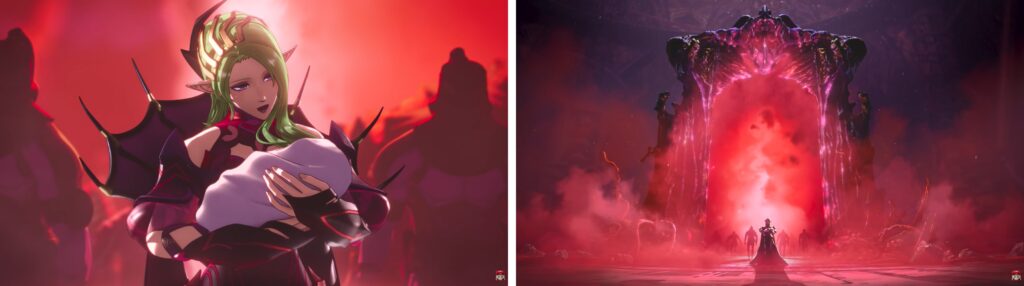
Later parts drop that classroom pacing and turn into a straight run of battle after battle. Recruits you trained on separate paths end up sharing one army by the finale, which is the entire point of the structure: nothing you build on any single route goes to waste once the stories fold together.
Reports out of the Polish outlet Spider’s Web describe roughly 30 hours in and still only scratching the surface, since Fortune’s Weave effectively hands you five separate campaigns (four lords plus Eshmel) instead of one linear story.
French coverage from ActuGaming clocked around 10 hours in and still felt like it had barely touched the map. That scale is the headline mechanical story here almost as much as the combat itself.
The Four Lords, Without Ruining Them
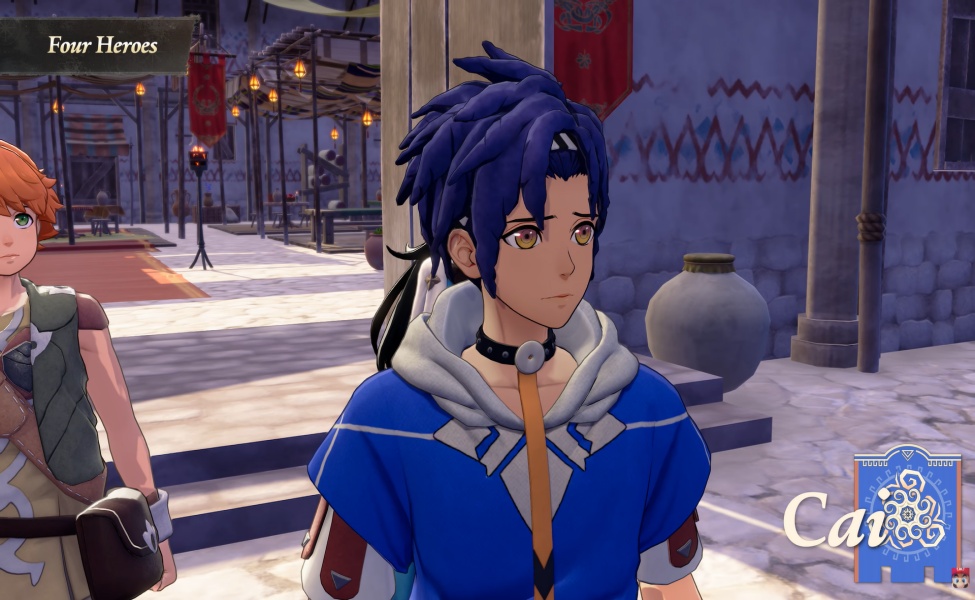
Cai plays the sunshine route. He is a farmer’s son with pale blue hair, and his overworld perk lets him tame and bond with mounts, plant fields, and trade harvests between battles. His arc is about growth and getting his father out of a cell, nothing more complicated than that.
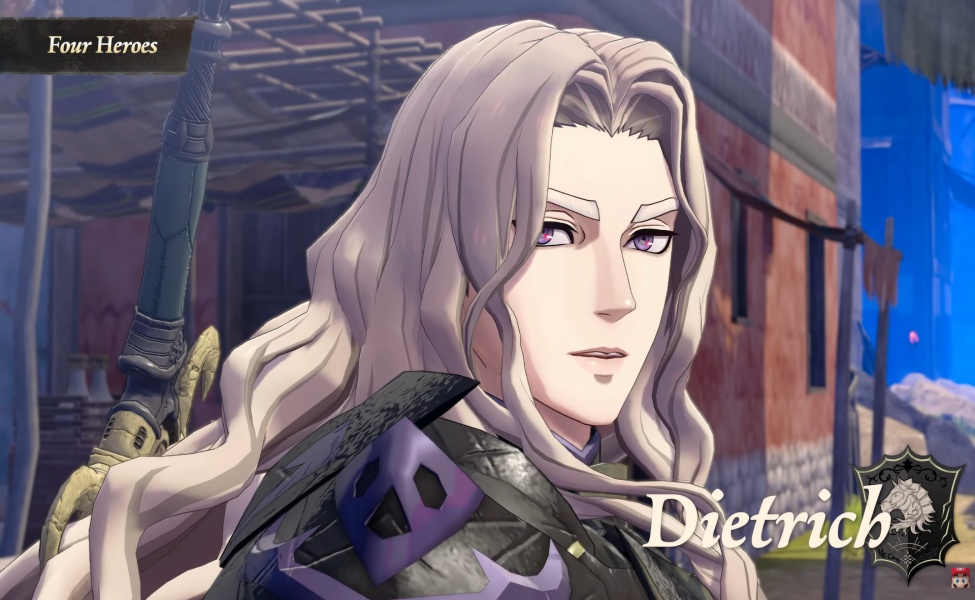
Dietrich is the one everyone is going to main. He is a Fodlan noble tied to House Lamine, shipwrecked after an encounter that looks a lot like a Black Beast attack, and he fights purely because fighting is the point. His overworld perk lets him harvest Combat Arts off the enemies he kills and sharpen them further, and his Relic-looking sword, Answerer, has already sent lore hunters into a frenzy.
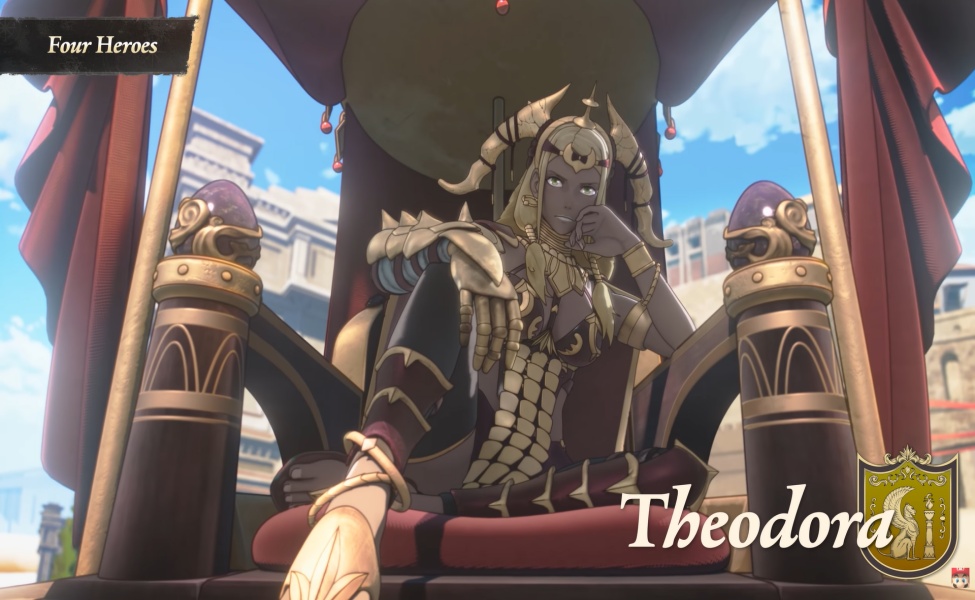
Theodora is the political route. As queen of Saramis, she is chasing land, legitimacy, and a temple for her people, and her overworld perk lets her walk into a settlement and walk out with a battalion behind her.
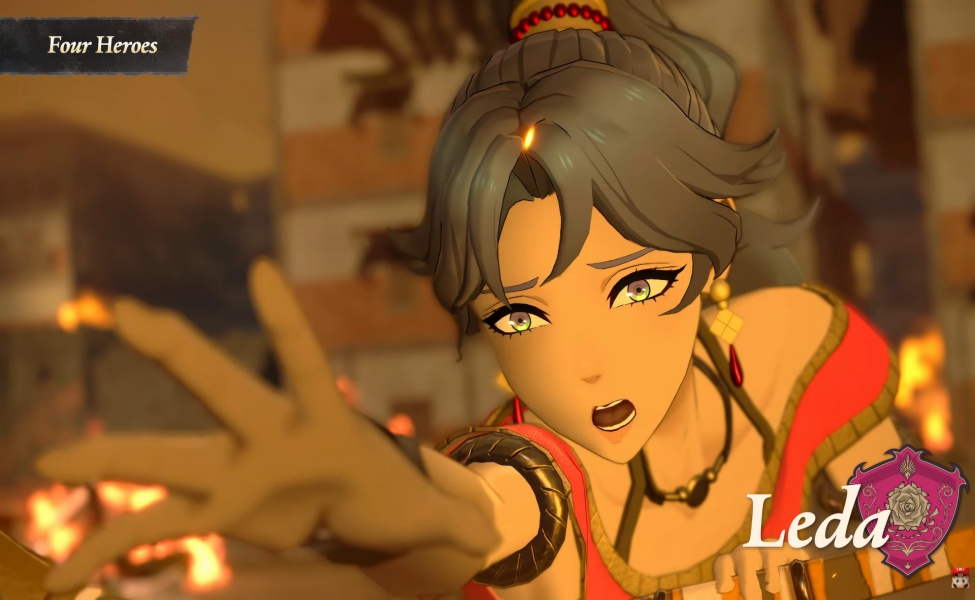
Leda is the revenge route, and early impressions keep singling her story out as the one that lands hardest emotionally. She is a musician and dancer who joined the Games to get close to the man who killed her father, and her overworld perk has her performing in taverns for coin and information.
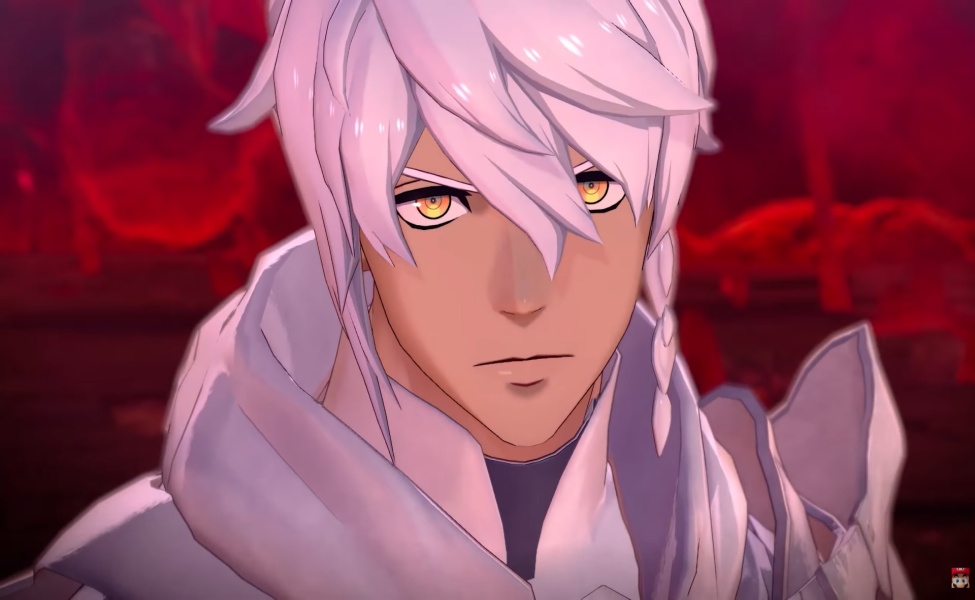
Eshmel, the fifth piece, is the customizable Savior in white, male or female by choice, and according to Nintendo’s own developer interviews, this character was not part of the plan for most of development. More on that below.
See Also: Pokemon 30th Anniversary 2026: The Full Year Breakdown
Combat is Two Games Taped Together, On Purpose
Matches are the classic Fire Emblem grid: weapon triangle math, flanking, arena setups, and Combat Arts that chew through weapon durability fast. Fortuna’s Blessing lets you rewind turns, the same family of mechanic as Divine Pulse in Three Houses.
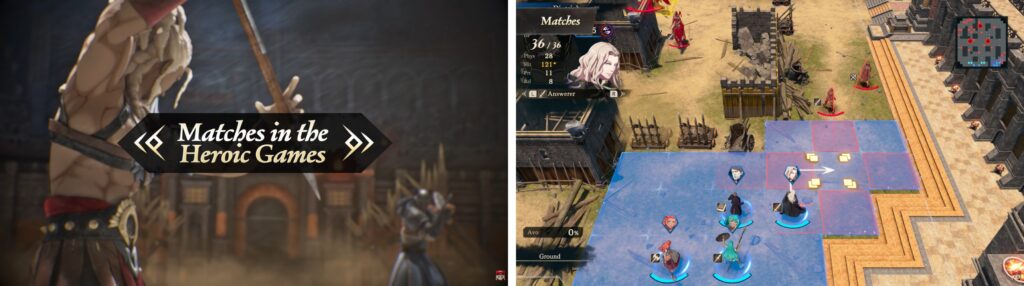
Clashes are the other half, and they play more like a dungeon crawl in the vein of Shadows of Valentia or an old-school Dragon Quest map, with a smaller party and more of the game’s Echo units in tow.
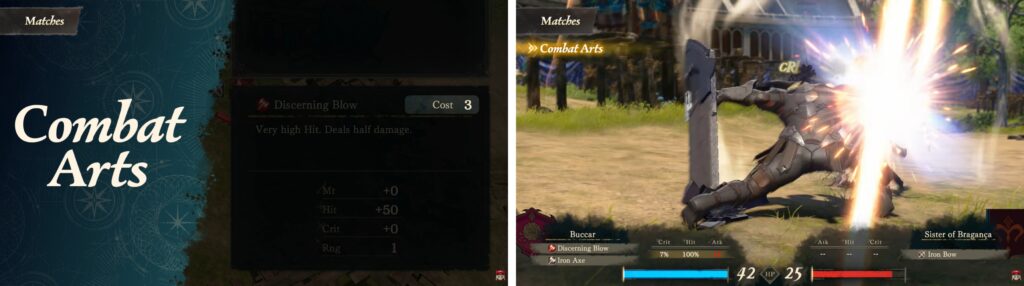
Link attacks and speed-up options are there to keep the pace up, but early coverage keeps pointing at Clashes as the part of the game that drags the hardest against the tighter grid battles.
Blaze Arts, the New Risk-Reward Mechanic

Blaze Arts are this entry’s signature system. Lords burn their own HP to pull off a big play: a wide area attack, a teleport, or a party-wide buff.
Filling the Blaze Gauge grants bonuses, but push it too far and your HP gets halved for the rest of the map.
Enemies can trigger their own Blaze Arts too, so the temptation to nuke every turn comes with a real cost attached on both sides of the field.
Class Promotion Tiers and Visible Growth Rates
Class progression flows through three distinct brackets: Beginner, Specialty, and Advanced. Certification exams return, requiring specific weapon ranks and seals to pass.
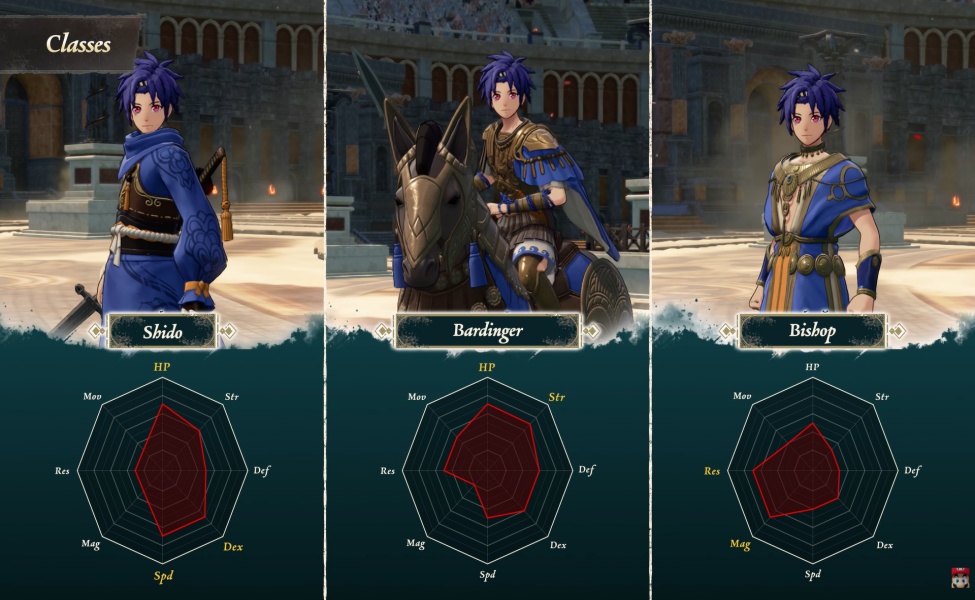
For the first time in mainline series history, stat growth rates are completely visible in-game. You no longer need external wiki tabs open just to check if your new archer has a viable speed trajectory.
The dopamine rush of seeing a unit nail a six-stat level-up is better than ever, while stat-screwed RNG can be diagnosed and fixed early by shifting classes.
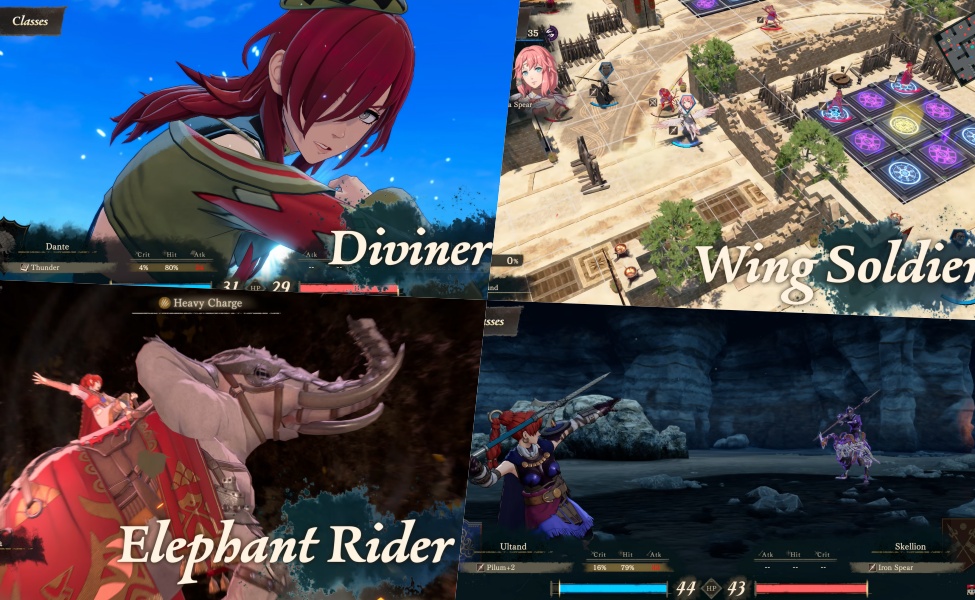
Notable new Dagdan classes include:
- Ornius Rider: Swift cavalry riding ostrich-like runners that ignore desert and sand movement penalties.
- Elephant Rider: Heavily armored, high-HP mobile fortresses built to plug map choke lanes.
- Chariot: High-impact shock units that deal collision chip damage when charging straight lines.
- Pugilist: An all-gender brawler class that turns high strength and speed into rapid multi-hit gauntlet combos.
Beyond conventional steel and silver weaponry, you will find exotic additions like wooden practice weapons, ancient flame-throwing Salamander devices, and mechanical fist gauntlets that fire explosive charges.
See Also: Aniimo Release Time: Launch Schedule by Region
The One-Save-File Thing is Not a Bug
This is the detail everyone is arguing about this week. Fortune’s Weave runs on essentially one real save file, and that is a deliberate design choice, not a technical shortcut.
If you train Leda as a mage in one playthrough and as a brawler in another, those builds combine once the routes merge.
Recruit the same mercenary into both Cai’s and Dietrich’s armies, and their stats fuse together instead of splitting.
Director Kusakihara and Nintendo associate producer Kenta Nakanishi addressed this directly in a September 15 “Ask the Developer” post, saying the theme of everything converging into one made separate save files a poor fit for how the routes are meant to interlock.
You can still jump back to the start of any chapter for any lord, rewatch story beats, or retry a map you botched.
Fortuna’s rewind exists so a bad turn is a mechanic, not a reason to start over from scratch. Just do not expect to keep three parallel Maddening files running the way Three Houses let you.
Dev Secrets That Actually Matter
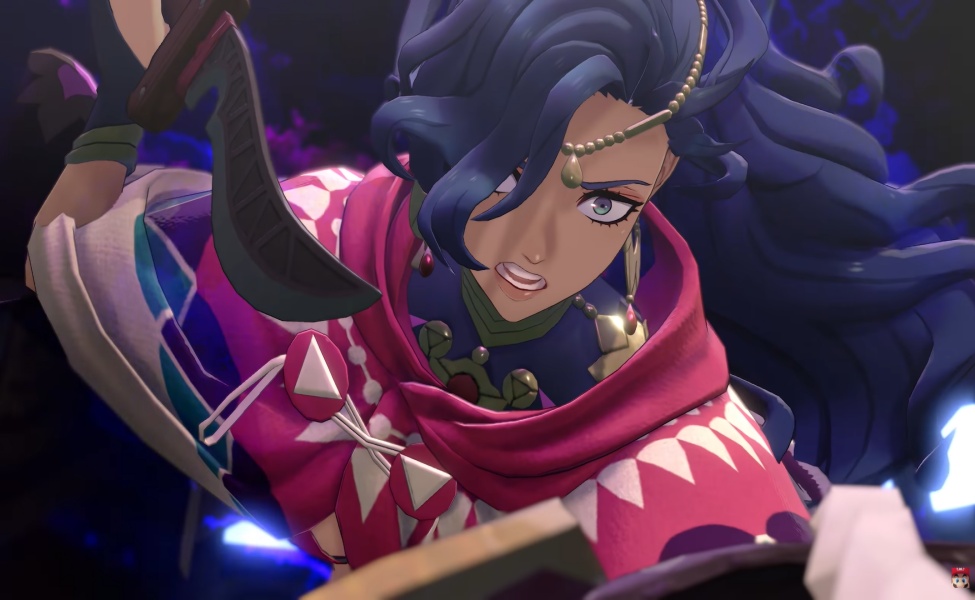
Nintendo’s official “Ask the Developer” discussions revealed fascinating development shifts that explain the game’s massive scope:
- From Eight Protagonists to Four: Kusakihara originally pitched eight separate warring lords. When that proved unmanageable, the team trimmed the roster to four and introduced Eshmel mid-way through development to tie the timelines together.
- Built 100% In-House: Intelligent Systems handled production directly with Nintendo to keep the complex timeline systems and deep map design fully intact.
- Mouse and Pointer Controls: The Switch 2 Joy-Con supports optical mouse tracking, letting you select grid tiles and assign squad orders like a classic PC strategy game.
- Dynamic Musical Score: Kanazaki built the game’s flamenco-style main themes with unique instrumentation for each lord, which seamlessly weave together as the armies unite.
See Also: WoW Forever Explained: Launch Date, Skyborne & Raids
Is This a Three-Houses Prequel or Sequel?
Nintendo’s official position is that Fortune’s Weave shares a world with Three Houses but sits in a different time and region, and that it plays fine even if you never touched Garreg Mach. Producer Masahiro Higuchi has framed that standalone structure as a hard design rule.
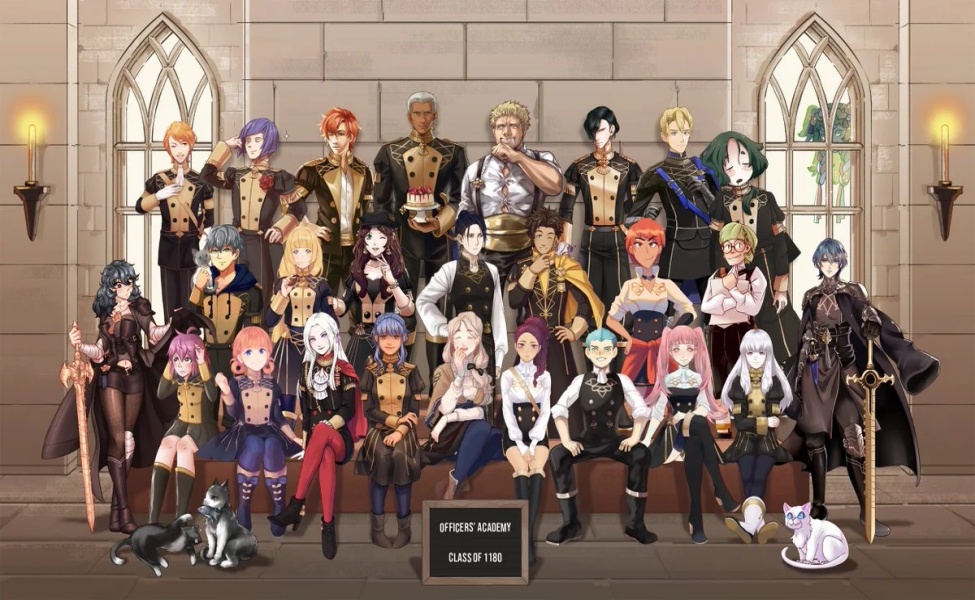
Fans are not settled on it. The case for a prequel points at a younger-looking Seteth appearing in the story, House Lamine existing as a living house through Dietrich, and an adult Sothis potentially being closer to her original form before whatever happened at the Red Canyon.
The case for a sequel or distant future points at the in-game years of 1449 to 1454 versus Fodlan’s Imperial Year 1180, Hero’s Relics already existing, and the presence of guns and other late-stage tech.
Nintendo has not confirmed exactly where Fortune’s Weave sits on the Fodlan calendar, and the game seems to be using that ambiguity on purpose.
Dietrich’s Fodlan roots and the Relics scattered through Dagda make the connection real, but the exact placement, before Nemesis, after the war, or on a calendar that never lines up cleanly, is clearly meant to fuel exactly the kind of debate already spreading across fan forums.
Reviews, in Plain Speech
Full outlet scores were still rolling in at the time of writing, but the shape of the response is consistent.
Pre-release coverage out of Poland, France, and Brazil described a game that is bigger and more varied than expected, with critics repeatedly comparing the scope of the four lord campaigns to playing several full games back to back.

Coverage citing VGC put the first part of just one route at close to 20 hours on its own, before the story has even reached its second phase.
The recurring praise lines up across territories: the battle maps, the way each lord’s story feels genuinely distinct, and how much the cast carries the writing.
The recurring complaints are just as consistent: Clash dungeons dragging against the pace of the grid battles, support grinding still feeling like a chore, and the sheer size of the game intimidating anyone hoping for a tight 30-hour campaign.
That is a familiar shape for a Fire Emblem review cycle. The tactics are the meal, and the between-battle busywork is the side dish people either enjoy or skip entirely.
Extra Stuff Worth Knowing
Fire Emblem Heroes added Cai, Dietrich, Leda, and Theodora on September 8, with a free pick and a spark path letting mobile players grab all four without much orb spending.
Fortune’s Weave’s own launch update pulls crossover weapons back from Heroes and Fire Emblem Shadows.
A prologue manga by Kazurou Kyou is lined up for Saikyo Jump, and Japan-only launch merchandise includes pin badges, acrylic stands, and a Dagda map tote bag. Figures of Leda and Theodora have been announced with no release date yet.
Community sentiment going into launch is already sorted into camps. Leda has her own fanbase forming fast.
Dietrich is pulling in players who like a character who is a little unwell in the head. Players who bounced off Engage’s lighter tone are treating this as the real follow-up to Three Houses, while players who wanted a brand-new setting with zero Fodlan baggage are mildly annoyed Sothis showed up again anyway.
Both camps are downloading it regardless.
See Also: Upcoming Xbox Game Pass: September 2026 Drops, Ranked
If you liked Three Houses for its cast and wanted the actual maps to hit harder, Fortune’s Weave is built for you.
If your ideal Fire Emblem is a clean 10-hour campaign, look at the runtime honestly before you commit a Thursday night to it.
One save file, four lives, and a fifth person in white trying to stitch all of it together before Balor finishes what he started. That is Fire Emblem: Fortune’s Weave in one sentence.
Now go tell us which unit ended up carrying your entire run, which class promotion you think looks the coolest, and what your worst stat-screwed level-up disaster looked like.
TL;DR
- Fire Emblem: Fortune's Weave was released on September 17, 2026, exclusively for the Nintendo Switch 2, featuring a single save file system that integrates character development across multiple playthroughs.
- The game introduces four distinct protagonists known as the Flame Lords, each with their own campaigns and personal objectives, allowing players to navigate their stories in a non-linear fashion.
- Combat mechanics in Fortune's Weave blend traditional grid-based battles with a new 'Clash' system, creating a varied gameplay experience that includes risk-reward mechanics like Blaze Arts.
