


TL;DR
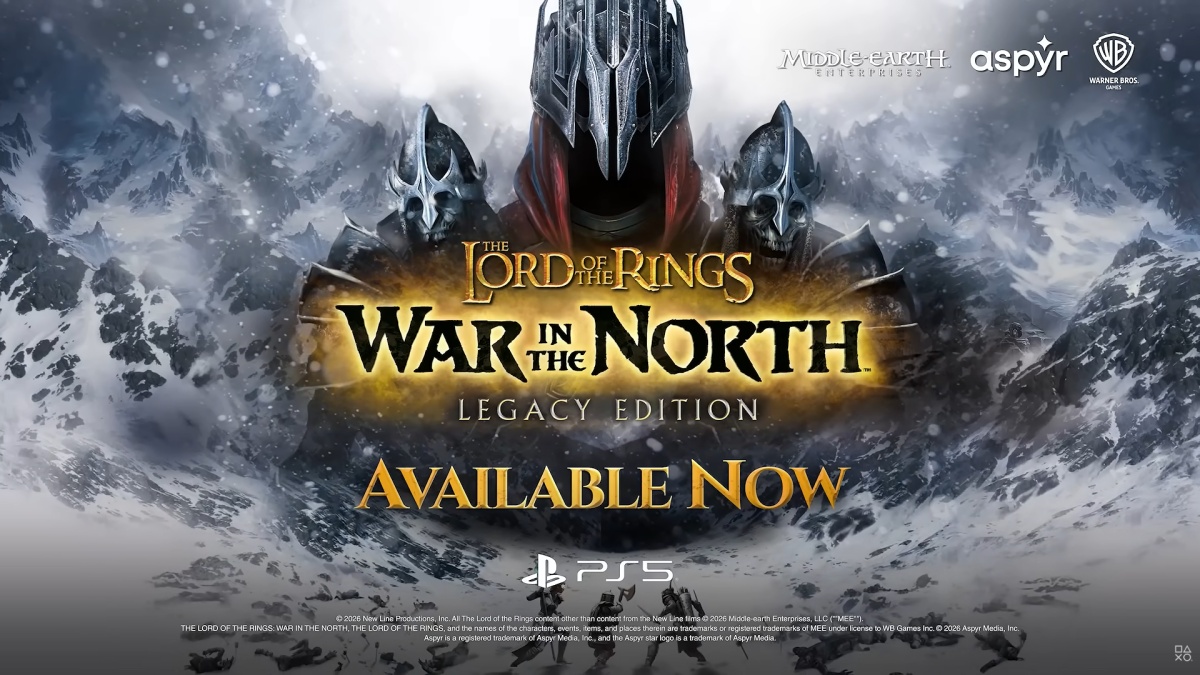
- The Lord of the Rings: War in the North Legacy Edition was unexpectedly launched on August 11, 2026, reviving the original 2011 title that had been delisted in 2019.
- The game features significant mechanical updates, including on-the-fly character hot-swapping and a refined enemy lock-on system, enhancing solo and co-op gameplay.
- Character classes retain their identities but benefit from modern controls, allowing for greater skill expression and strategic depth, particularly in higher difficulty settings.
Disclaimer: This summary was created using Artificial Intelligence (AI)
The shadow drop of The Lord of the Rings: War in the North Legacy Edition on August 11, 2026, caught the hardcore action-RPG community completely off guard.
For years, this M-rated, blood-soaked parallel narrative to Frodo’s journey was trapped in licensing purgatory, delisted from digital storefronts in 2019 and abandoned to the second-hand physical market.
Now, Aspyr Media has revived Snowblind Studios’ 2011 hack-and-slash title for modern hardware.
We are looking past the nostalgia to dissect exactly how this enhanced port holds up today, evaluating the engine updates, the combat animation feedback, and the heavily requested quality-of-life adjustments that impact the co-op meta on Legendary difficulty.
See also: 7DS Origin Weapon Tier List: SS to B Ranked (Aug 2026)
The Return of a Cult Classic: Original Game Background in 2011
To understand the weight of this re-release, we need to look back at the original game in 2011. Snowblind Studios, the architects behind the mechanical brilliance of Baldur’s Gate: Dark Alliance and Champions of Norrath, built a third-person action RPG that ignored the sanitized heroism of the Peter Jackson films in favor of a darker, highly tactical northern theater of war.

The original launch met mixed reviews and modest sales, largely due to repetitive encounter design and notoriously dense AI companions who would often stand idle in area-of-effect damage during endgame boss fights.
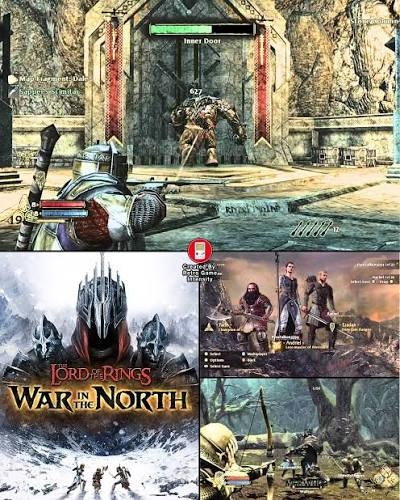
Despite those launch hurdles, the game established a dedicated cult following. The combat retained a heavy, arcade-rooted weight.
The satisfying auditory feedback of a perfectly timed critical strike and the visceral group execution animations made the moment-to-moment gameplay highly engaging.
The narrative also respected Tolkien’s canon, tracking the unseen war against Agandaûr, a Black Númenórean, across iconic locations like Fornost, the Ettenmoors, and Mount Gundabad.
See Also: Phantom Blade Zero: Release Date, Combat & Editions
Engine Overhaul & Quality of Life: Fixing the Solo Experience
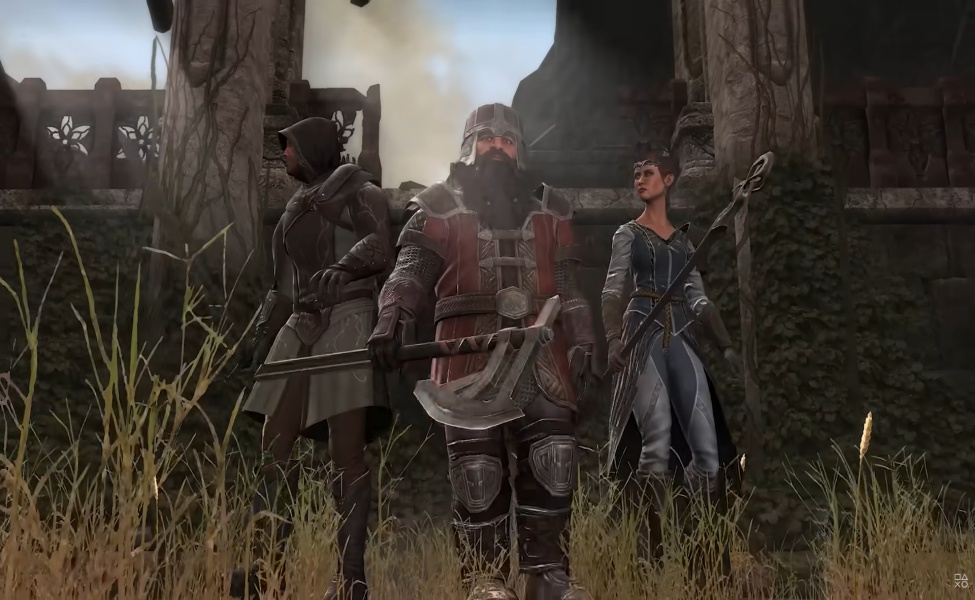
Aspyr accurately frames this project as a light remaster rather than a ground-up remake. The game runs on its original engine, but the mechanical tweaks address the most glaring frustrations of the 2011 release.
The biggest game-changer is the implementation of on-the-fly character hot-swapping. If you played the original solo, you remember the sheer panic of watching your AI Loremaster refuse to cast a healing ward while a Troll pinned down your Dwarven Champion.
In the Legacy Edition, you can instantly take control of any party member, drop a defensive spell, command Beleram the Great Eagle to dive-bomb a high-value target, and swap back to your DPS carry.
This completely modernizes the solo pacing. Furthermore, players can now fully equip and distribute stat points for their AI companions dynamically, completely bypassing the old logistical nightmare of managing inventory space and hoarding loot until the end of a mission.
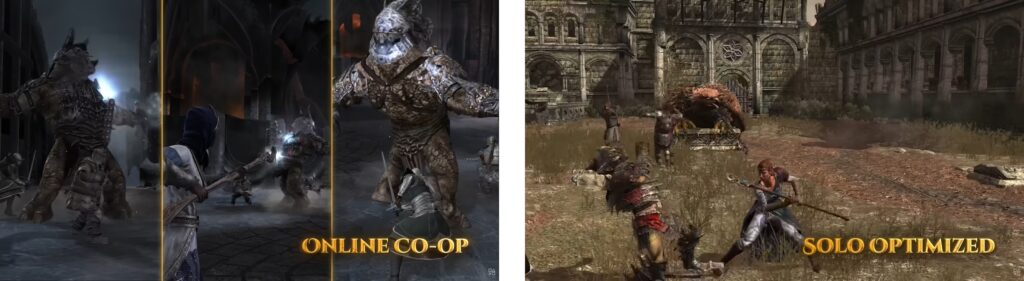
Performance upgrades also directly impact the combat loop. The jump to a stable 60 FPS on current-gen consoles (with a soft cap of 120 FPS on capable PC rigs) tightens the parry and dodge windows.
Ranged combat receives a massive bump in viability thanks to a refined enemy lock-on system and the addition of gyro aiming for the PS5 and Nintendo Switch hardware.
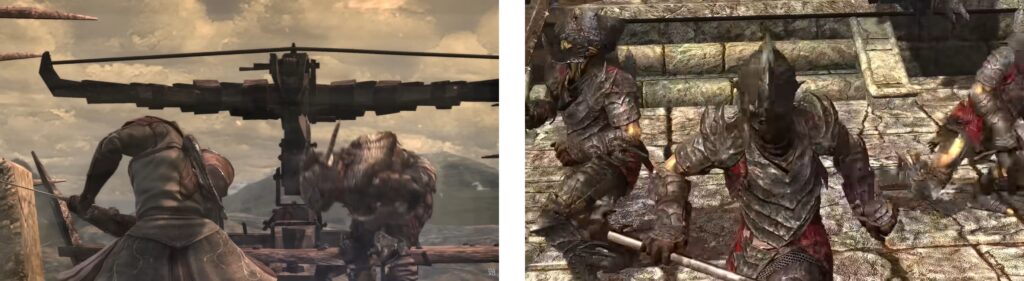
While the visual upgrades are mostly limited to AI-upscaled textures, which occasionally result in slightly muddy pre-rendered cutscenes, the UI has been completely overhauled.
You now have persistent, visible Health, Mana, and EXP bars for the entire party, streamlining your tactical decision-making when resources run dry.
See Also: Wolverine PS5: Launch Date, Bundle & Full Review Guide
Lord of the Rings: War in the North Legacy Edition Gameplay, Characters, and Classes
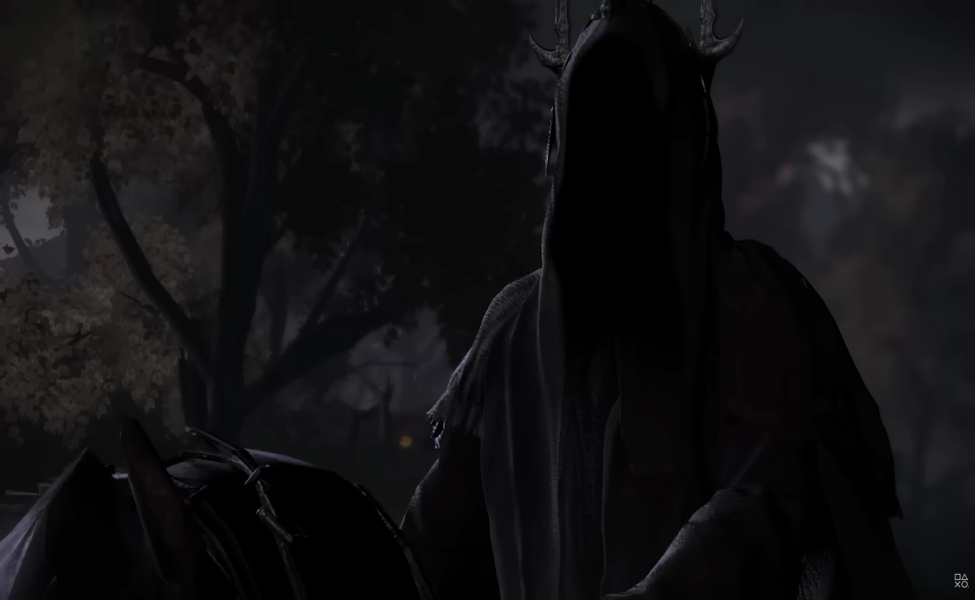
Surviving the escalating difficulty tiers, particularly Heroic and Legendary, requires a deep understanding of class synergy, skill tree breakpoints, and loot distribution.
The Lord of the Rings: War in the North Legacy Edition gameplay, characters, and classes retain their identity, but the modernized controls allow for far greater skill expression.

Eradan
Eradan functions as the primary physical damage dealer. His skill tree demands precision, rewarding players who heavily invest in dexterity for critical strike scaling.
Playing Eradan optimally means managing aggro; you want to stay highly mobile, utilizing his stealth mechanics to drop aggro when overwhelmed, before repositioning to chain ranged headshots or execute heavily armored Uruk-hai from the flank.
With the new 60 FPS baseline, stringing together his dual-wielding combo multipliers feels incredibly fluid, making him the ideal character to generate Hero Mode combo bonuses to buff the entire party.
Andriel
Andriel, the Elven Loremaster from Rivendell, is the absolute backbone of any high-difficulty run. Her skill tree is a mix of crowd control, area-denial magic, and essential alchemy. Her Sanctuary spell, which creates a projectile-deflecting healing bubble, dictates the flow of battle.
In the 2011 version, playing Andriel often felt like babysitting a suicidal vanguard; today, the hot-swap mechanic allows a solo player to utilize her staff-based ranged attacks to apply debuffs while micromanaging her defensive cooldowns perfectly.
Farin
The Dwarven Champion of Erebor exists to absorb punishment and break enemy posture. Farin requires heavy investment in stamina and strength.
His primary role is to wade into the center of a skirmish with sweeping two-handed heavy attacks, pulling aggro away from Eradan and Andriel. The tactical depth of Farin lies in his War Cry abilities, which buff party armor and damage output.
The updated lock-on system also makes his crossbow significantly more viable for pulling individual elites from a pack before committing to melee range.
A notable quality-of-life update affecting all three classes is the unified “Triggering Secrets” mechanic. Previously, hidden caches and lore items were strictly locked behind controlling a specific character.
Now, secrets are visible and accessible regardless of who you are actively piloting, eliminating tedious backtracking and maximizing loot progression efficiency.
See Also: NBA 2K27: Release Date, Edition Prices & Builder Meta
LOTR: War in the North Price, Platforms, and Editions
The pricing structure reflects Aspyr’s targeted, accessible approach to this revival. Reviewing the LOTR: War in the North price and editions, the base game retails at an incredibly fair $19.99 / £18.99 / €23.99, with a limited 10% launch discount dropping it to roughly $17.99 until late August.
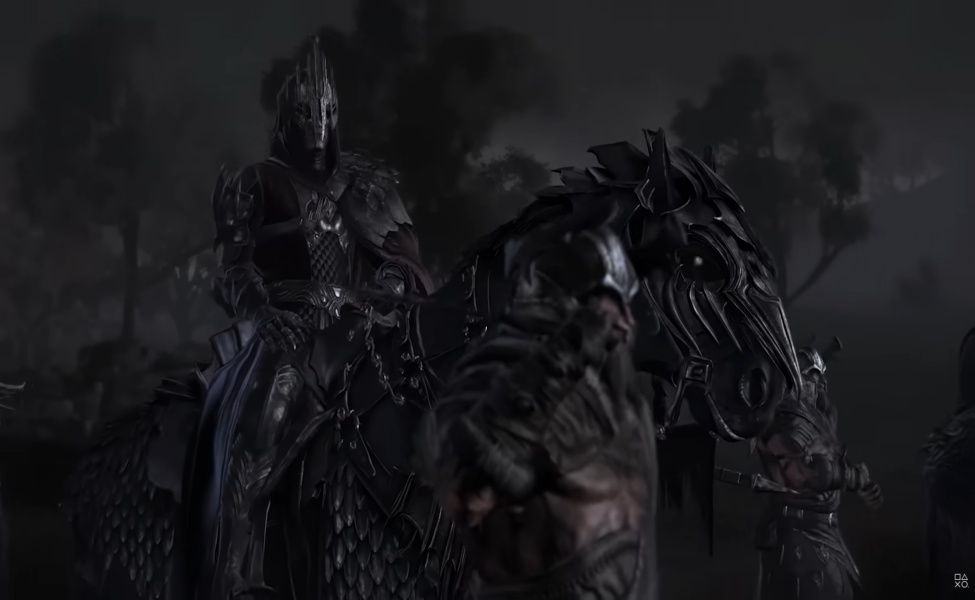
The title is available across PlayStation 5, Xbox Series X|S, Nintendo Switch, the upcoming Nintendo Switch 2, and PC (via Steam, Epic Games Store, and GOG).
Aspyr has smartly bundled all the original digital pre-order bonuses and collector’s edition theme packs directly into the base purchase.
Epic Online Services handles the backend multiplayer infrastructure, reviving the public matchmaking that the community sorely missed after the 2019 delisting.
PC players running modern rigs (Windows 11, mid-range 2015-2020 GPUs) and Steam Deck users report excellent optimization at max settings, though local split-screen co-op on the older base Nintendo Switch hardware remains limited due to hardware constraints.
See Also: Ghost Recon Wildlands: Inside the Last Rites Update
The Lord of the Rings: War in the North Legacy Edition successfully rescues a mechanically rich, heavily tactical action-RPG from the digital graveyard.
It is not a ground-up remake, and players expecting state-of-the-art graphical fidelity will notice the 2011 skeletal animations and occasionally janky environment textures.
However, the game excels exactly where it needs to: the combat loop is weighty, the on-the-fly hot-swapping fundamentally fixes the solo experience, and the revival of online co-op brings back one of the best multiplayer dynamics in the Tolkien gaming catalog.
We want to hear from the veterans and the newcomers stepping into the North for the first time. Drop into the comments below and share your absolute best co-op class compositions.
How are you allocating your skill points for Andriel on Legendary difficulty, and what was your most chaotic boss encounter managing the newly updated AI hot-swapping? Let us know your strategies for maximizing loot rolls and keeping Farin alive in the Ettenmoors.
See also: Mortal Shell 2 Engine Analysis: Combat, Shells & Stats
FAQs
War in the North Legacy Edition shadow dropped on August 11, 2026, surprising the action-RPG community with no prior announcement. The original game had been delisted from digital storefronts since 2019.
The game was trapped in licensing purgatory related to the Lord of the Rings IP, leading to its delisting from digital storefronts in 2019. Fans were left to hunt down second-hand physical copies to play it.
The Legacy Edition brings back the full M-rated action-RPG experience of the original game, which told a parallel narrative to Frodo's journey. Specific additions and improvements are detailed throughout the mechanics review.
See also: Lost Sword Tier List 2026: PvE, PvP & Best Team Comps
TL;DR
- The Lord of the Rings: War in the North Legacy Edition was unexpectedly launched on August 11, 2026, reviving the original 2011 title that had been delisted in 2019.
- The game features significant mechanical updates, including on-the-fly character hot-swapping and a refined enemy lock-on system, enhancing solo and co-op gameplay.
- Character classes retain their identities but benefit from modern controls, allowing for greater skill expression and strategic depth, particularly in higher difficulty settings.
