


TL;DR
- PK battles are short live face-offs where gifts turn into points, rankings, and real money, making them crucial for channel growth.
- Understanding scoring, modes, timing, and strategy is essential to effectively participate in PK battles and improve performance.
- Different PK formats exist, including 1v1 Classic, Multi-Guest, Family PK, and Event PKs, each with unique strategies and benefits.
Disclaimer: This summary was created using Artificial Intelligence (AI)
It’s Bigo Live PK Battles Guide time folks! PK is the part of Bigo that can either grow your channel fast… or expose you in front of a lot of people in 3 minutes. PK battles are short live face-offs where gifts turn into points, rankings, and real money, so every decision you make on screen translates directly into reach and income.
For viewers it just looks like chaos and flying animations. For hosts, it’s business: PKs drive visibility, pull in new followers from the opponent’s side, and unlock Bean rebates and event rewards that solo rooms never touch. Done right, PKs are how small broadcasters stop feeling small.
This Bigo Live PK Battles Guide focuses on one thing: turning you from “I just hit PK and hoped for the best” into someone who understands scoring, modes, timing, and strategy. By the end, you’ll know how PK actually works, which matches are bait, when to push your community, and how to climb without burning all your Diamonds.
Bigo Live PK Battles Guide: How PK Actually Works
Bigo Live PK Battles Guide: Scoring, Gifts, and Beans
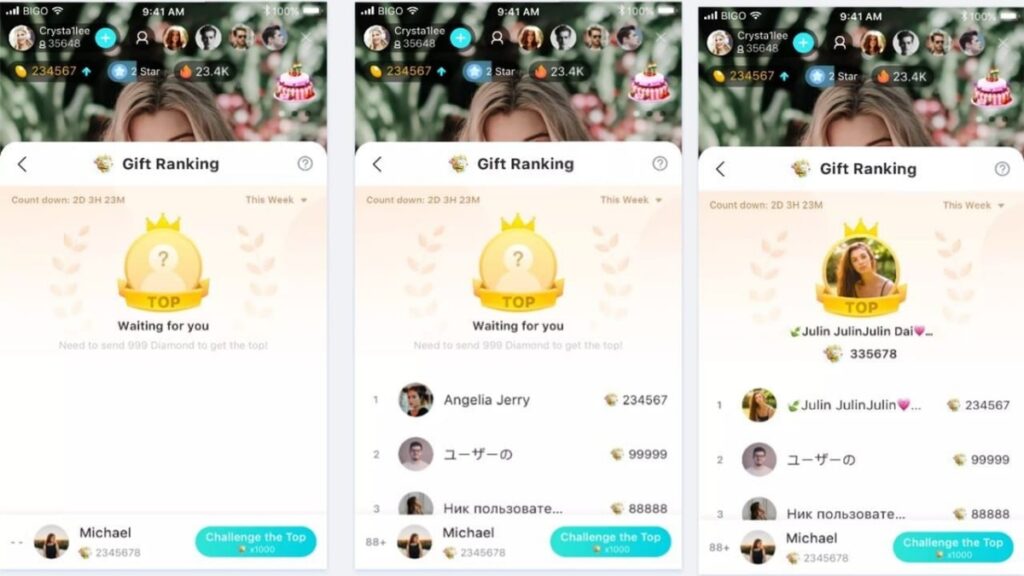
At its core, a Bigo PK is a live battle between two (or more) broadcasters, and the winner is the one who receives the highest gift value during the PK window. Viewers buy Diamonds, convert them to gifts, and those gifts turn into Beans for the host; in PK, those gifts also show up as battle points on the PK bar.
Most standard PKs run around 3–10 minutes, with gifts during that time filling your side of the bar in real time. At the end of the countdown, the host with more points wins the PK. The result affects your PK ranking, exposure, event progress, Family points, and sometimes Bean rebates, depending on the specific PK event or mode you entered.
See Also: How to Get Bigo Live Diamonds: Free & Paid Methods Guide

Bigo Live PK Battle Modes You’ll See
Bigo now runs multiple PK formats, but most hosts interact with these:
- 1v1 Classic – You vs one other host. Short, intense, best for testing lineups and building rivalry content.
- Multi-Guest / Room PK – Several streamers in one session, either solo or in teams. Great for cross-pollinating audiences if everyone has active supporters.
- Family / Guild PK – Families fight each other; points come from all participating members. Essential if you’re serious about rankings.
- Event / High-Rebate PKs – Limited-time events where wins give 50–85% Bean rebates or special rewards. This is where serious hosts focus when they want to maximize earnings.
Why PK Battles Beats Solo Rooms (Most of the Time)
Solo rooms still matter, but PKs add:
- Algorithm love – Close, high-activity PKs send strong signals that your stream is engaging, which can push you to more users.
- Audience cross-over – Viewers from the other side discover you instantly, no search page needed.
- Rebates and multipliers – High-rebate PKs can give 50–85% Bean rebates on gifts, which is a lot more efficient than pure solo grinding.
The trade-off: you’re now playing a short, intense game with timing, match-up, and community coordination all in play.
Bigo Live PK Battles Guide: Preparing Before You Hit PK

Set Up Your Room and Profile Before Your Start Your PK Battle
Before you fight, your room has to sell you. That means:
- A clear profile picture and clean bio so new viewers instantly understand who you are.
- A short PK-oriented title (“PK Training Session”, “Help Me Hit Top 100”, “Zero Diamond PK Grind”) so people know the mission when they swipe in.
- A stable layout: camera angle, lighting, and background that look intentional, not random.
This isn’t vanity. The more legit you look, the easier it is for random PK traffic to convert into followers and supporters.
Build a Core Support Squad
Every strong PK host has a core squad: a mix of loyal gifters, moderators, and Family members who show up often. Families in particular are important, because Family points and PK performance heavily influence rankings and exposure on Bigo.
Your job before PK season is to:
- Join or build a Family that actually participates in PK.
- Tell regulars exactly when you’ll be doing serious PK sessions.
- Use small, low-stakes PKs as “training matches” so your supporters get used to timing gifts and hyping chat.
Choose the Right Opponents For Your PK Battles
One of the biggest mistakes is challenging hosts way outside your level. Current PK strategy content and algorithm breakdowns consistently recommend:
- Aim at broadcasters slightly above your follower count, not the huge whales. Close matches with active chat and steady gifts perform better in the algorithm than hopeless stomps.
- Use Friend PKs or arranged matches when you’re testing team timing and shout-outs, so you’re not caught off guard by odd schedules or AFK opponents.
PK is not just power. It’s matchmaking.
See Also: Celebrate the Bigo Mid Year Gala with Joytify and SEA’s Top Hosts
Bigo Live PK Battles Guide: In-Battle Strategy to Win More
Early Game PK Battle Guide
At the start, keep things light but controlled:
- Welcome raids and new viewers from the other side, introduce yourself quickly, and explain that this is a PK, not a chill room.
- Ask your community to warm up with smaller gifts, not blow everything early. Many PK formats use score multipliers or final-seconds drama, and you want options later.
Your goal early isn’t to crush. It’s to show life, keep chat moving, and let new viewers understand your vibe.
Mid Game (2–4 Minutes)
This is where you stabilize or flip momentum.
- Keep talking, don’t stare at the bar. Engage with gifts, call out names, and run mini-segments (quick song, story, Q&A) so people feel they’re part of something, not just a silent farm.
- Coordinate medium-sized gifts from your regulars to keep the gap manageable. If you’re slightly behind, that’s fine—being down sets up a comeback moment later.
On some PK modes and events, mid-game comes with 1.5x multipliers or special boost windows, so plan to drop part of your community’s power here if you see an opening.
Final Minute and Gift Timing
Most guides, event breakdowns, and top-earner comments agree on one thing: the final 60–90 seconds decide everything.
- Ask your squad to hold 40–60% of their planned gifts until the final stretch.
- Keep everyone updated: “We’re down by 3k Beans, hold for last 30 seconds,” instead of “Send now.”
- Watch for the opponent’s last-second push. If they spike at 10 seconds, you want a prepared counter, not panic gifts.
This is also where all-or-nothing event mechanics (double points, final phase boosts) kick in, so a single big gift can flip the bar completely.
Earnings, Rebates, and Ranking Growth In Bigo PK Battles
Beans, Diamonds, and Rebates
The money loop behind PK is simple: viewers buy Diamonds, convert them into gifts, gifts become Beans, and Beans convert to real cash if you’re an official host or meet withdrawal requirements.
PK is powerful because special PK events and high-rebate matches can give 50–85% Bean rebates, letting you and your partners recycle more value than you’d get from normal streaming. Some advanced hosts even arrange PK trading, exchanging big gifts during rebate windows so both sides profit more than they would alone. This is completely allowed as long as you’re not violating platform rules.
Ranking, Events, and Zero-Diamond Strategy
Not every PK has to be a Diamond burn. Recent PK events and strategy guides push a “zero-Diamond” grind:
- Focus on Friend PKs and event PKs that reward participation, not just raw spending.
- Schedule PKs during off-peak hours so your Family and regulars aren’t split across too many hosts.
- Show up consistently; many events reward streaks, participation counts, and EXP, not only top ranks.
Played this way, PK becomes a growth tool more than a bills-to-beans converter: more followers, better ranking visibility, and a reputation as someone who can host a fun, coordinated match.
Practical Checklist Before You Start Your PK Battle
Before you queue your next serious PK session, run through this quick checklist in your head:
- Goal: Am I chasing ranking, Beans, Family points, or just content clips?
- Squad: Have I told my regulars and Family what time and how serious today’s PKs are?
- Matches: Am I challenging people near my level, or feeding views to huge hosts who can’t even see my bar?
- Timing: Do my supporters know to hold big gifts for the final minute and event multipliers?
- Budget: For paid supporters, is there a clear limit so no one overspends just to “save” a random PK?
If you can answer those cleanly, you’re already ahead of the majority who hit PK with no plan.
See Also: Bigo Recharge Guide: Easy & Cheap Diamond Top-Up
PK on Bigo isn’t just chaos with flashy gifts. It’s a structured mini-game that mixes matchmaking, strategy, community, and money. Once you understand how scoring, modes, rebates, and timing really work, you stop feeling like the app is random and start treating PK like a skill you can grind and improve.
Use this Bigo Live PK Battles Guide as your base: pick smarter opponents, build a real support squad, focus on event windows, and save your heavy fire for the final minute. You’ll win more PKs, grow faster, and waste a lot less energy on hopeless, lopsided battles.
And when you’re ready to scale things up, make sure your supporters are set too and remind everyone to top up Bigo Live on Joytify so your community can back you properly when it’s time to flip that PK bar in the last five seconds.
TL;DR
- PK battles are short live face-offs where gifts turn into points, rankings, and real money, making them crucial for channel growth.
- Understanding scoring, modes, timing, and strategy is essential to effectively participate in PK battles and improve performance.
- Different PK formats exist, including 1v1 Classic, Multi-Guest, Family PK, and Event PKs, each with unique strategies and benefits.
