



TL;DR
- Where Winds Meet does not use rigid classes; players define their roles through weapon types and Martial Arts Paths.
- Weapon swapping is crucial for effective builds; strong builds commit to shared scaling and maintain pressure through timed rotations.
- Each weapon type offers unique advantages: Swords are flexible, Dual Blades are aggressive, Spears excel at spacing, and more.
Disclaimer: This summary was created using Artificial Intelligence (AI)
This game doesn’t give you a neat class select screen, so we made you a Where Winds Meet Complete Weapon Guide! Your build is defined entirely by your weapons, your Martial Arts Path, and how cleanly you rotate between them in real combat.
One of the biggest early mistakes players make is locking into a weapon just because it looks cool. Where Winds Meet heavily rewards experimentation, and the gap between a “random” setup and a synergized one is massive once fights start getting harder.
This guide breaks down every weapon type, every Martial Arts Path, and how weapon swapping actually works, so you can stop guessing and start building something that feels intentional.
See also: Where Winds Meet Hexi & Jade Gate Pass Full Breakdown
Where Winds Meet Complete Weapon Guide: How Weapons and Martial Arts Paths Work
Where Winds Meet doesn’t use rigid classes. Instead, your role is defined by the weapon types you equip and the Martial Arts Path those weapons belong to. Each path shapes your stats, combat rhythm, and what kind of pressure you’re best at applying.
You can equip two weapons and swap between them during combat. The strongest builds aren’t just two powerful weapons, they’re two weapons that scale together, share path logic, and rotate smoothly without breaking buffs or momentum.
Understanding this system early saves you hours of awkward builds later.
See Also: Expedition 33 Full Review: Why This RPG Took Over 2025

See also: Where Winds Meet Weapon Tier List: PvE & PvP (2.1)
Where Winds Meet Complete Weapon Guide: All Weapon Types & What They’re Best At
Sword
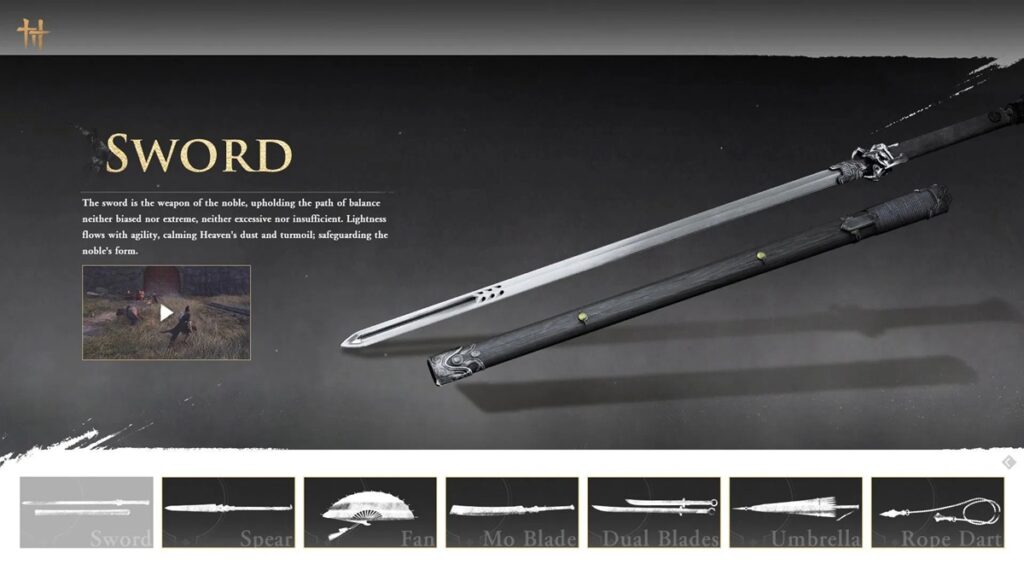
Sword is the most flexible weapon type in the game. It offers clean animations, reliable spacing, and forgiving timing, making it ideal for learning enemy patterns and swap rotations. It pairs well with multiple paths and rarely feels like a bad pick.
Dual Blades
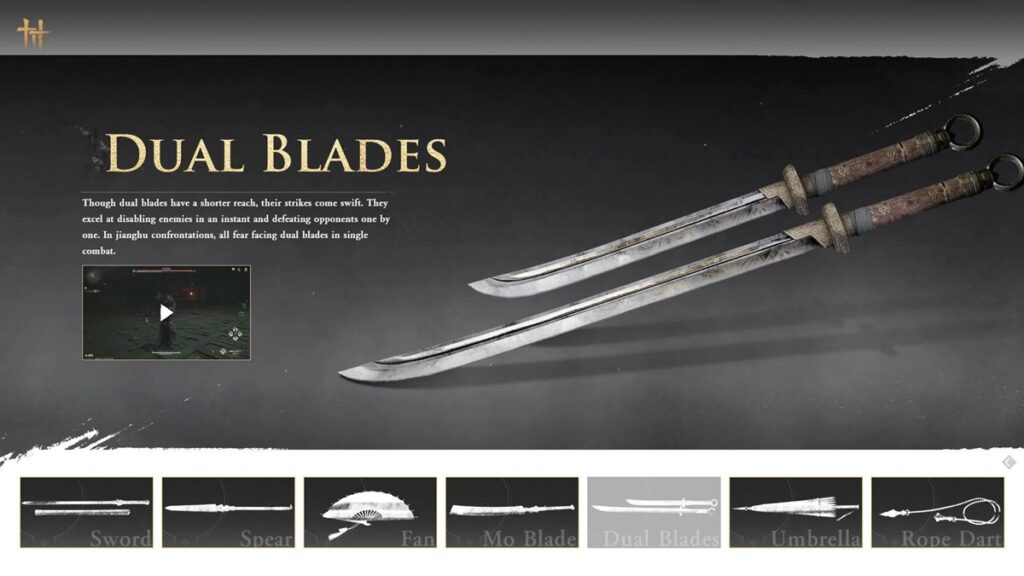
Dual Blades are fast, aggressive, and unforgiving. They reward constant pressure and precise dodging, but a single mistake can cost you hard. Perfect for players who like high APM and sticking close to targets.
Spear
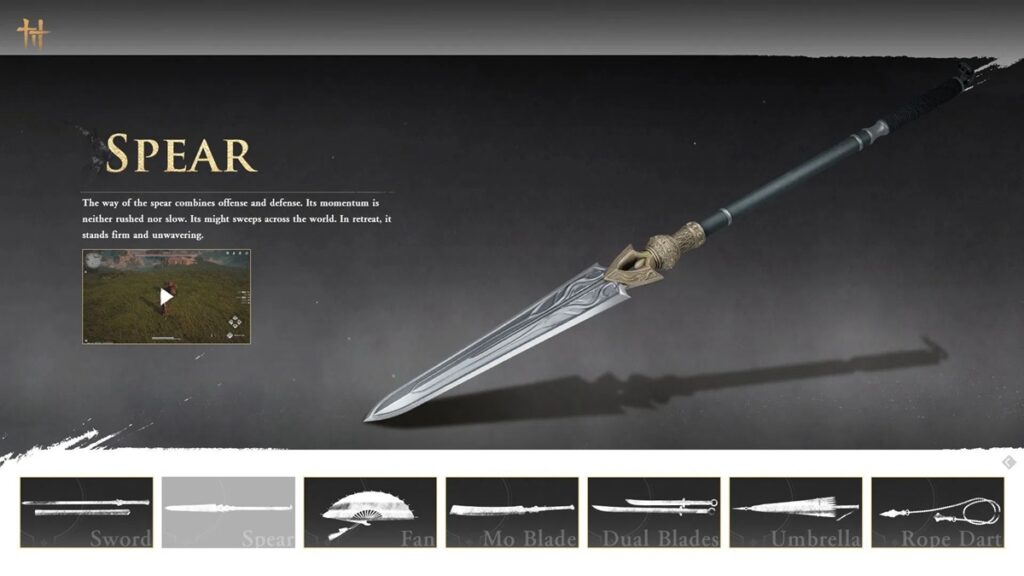
Spear excels at spacing and single-target pressure. Its reach makes boss fights more manageable, and it’s often used as a core weapon in both damage-focused and tank-oriented builds depending on the selected path.
Mo Blade
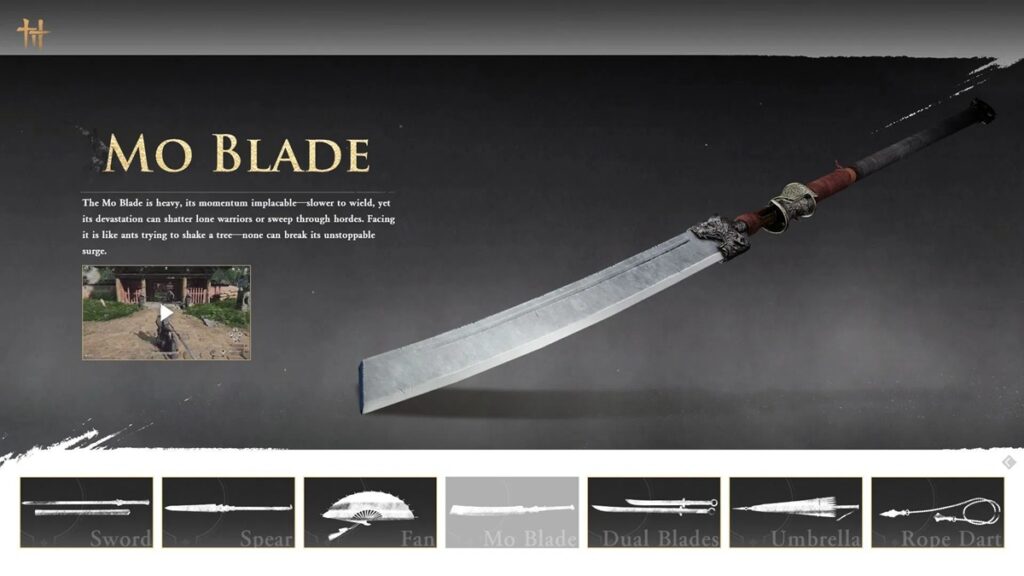
Mo Blade is heavy, deliberate, and commitment-based. It trades speed for presence, offering strong crowd control and survivability options. This weapon suits players who prefer holding ground instead of constantly repositioning.
Rope Dart
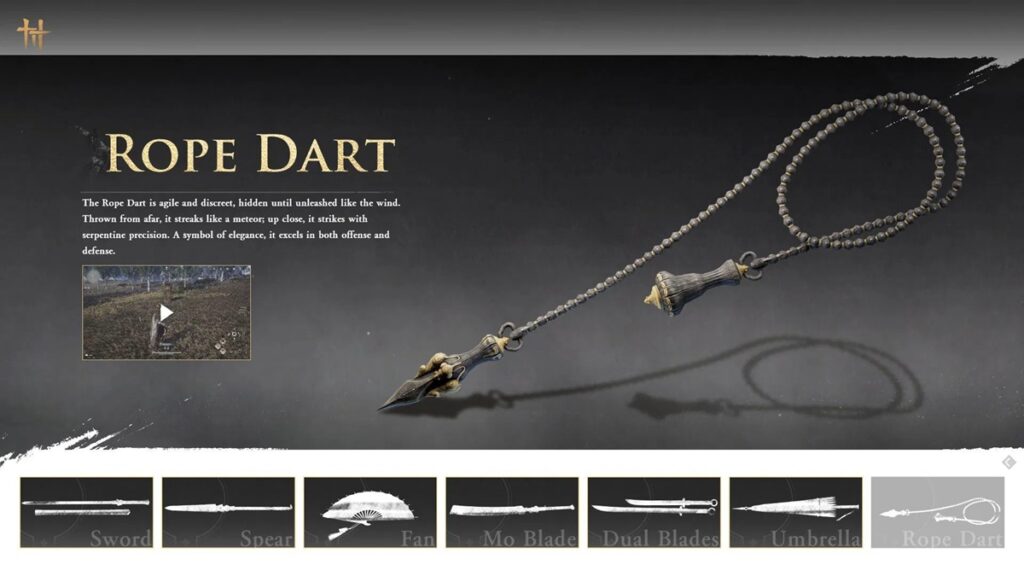
Rope Dart is all about distance control. You can pull enemies, reposition yourself, and dictate where fights happen. It has one of the highest skill ceilings in the game and shines once weapon swapping becomes second nature.
Umbrella

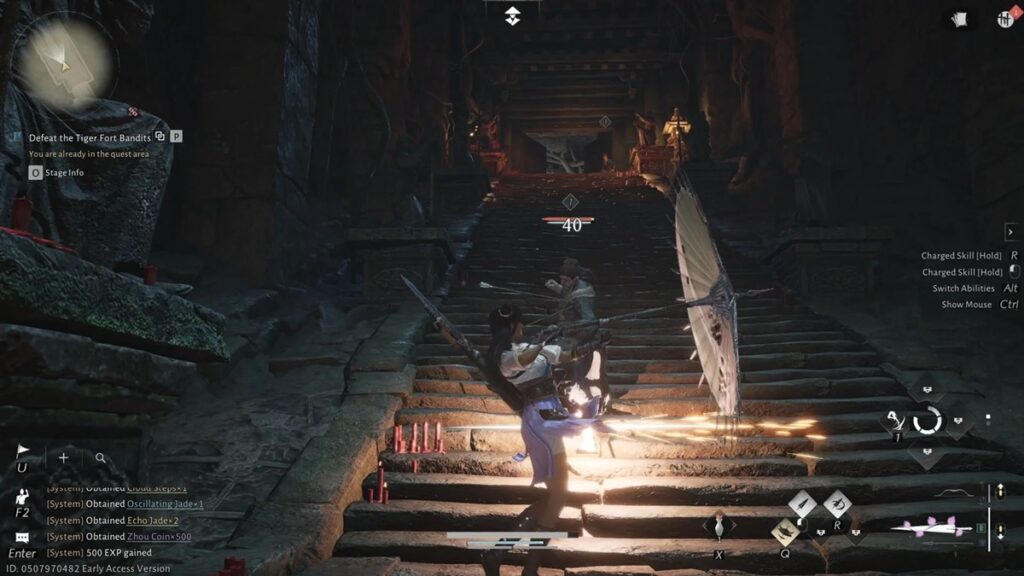
Umbrella is a utility powerhouse. Depending on the Martial Arts Path, it can provide control, mobility, or sustained pressure. Some variants allow you to maintain pressure while swapping weapons, making it extremely valuable in coordinated rotations.
Fan
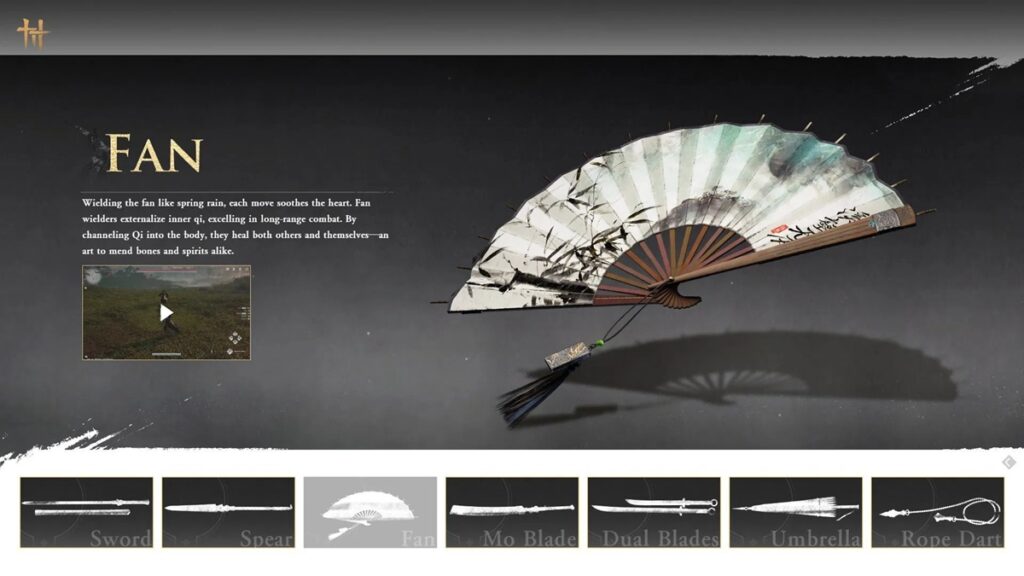
Fan focuses on wind effects, control tools, and hybrid range/melee pressure. It’s ideal for players who enjoy managing the battlefield rather than brute-forcing damage through raw DPS.
See Also: Total War Warhammer 40K: What We Know and Why It Matters
Where Winds Meet Martial Arts Paths Explained
Bellstrike – Splendor
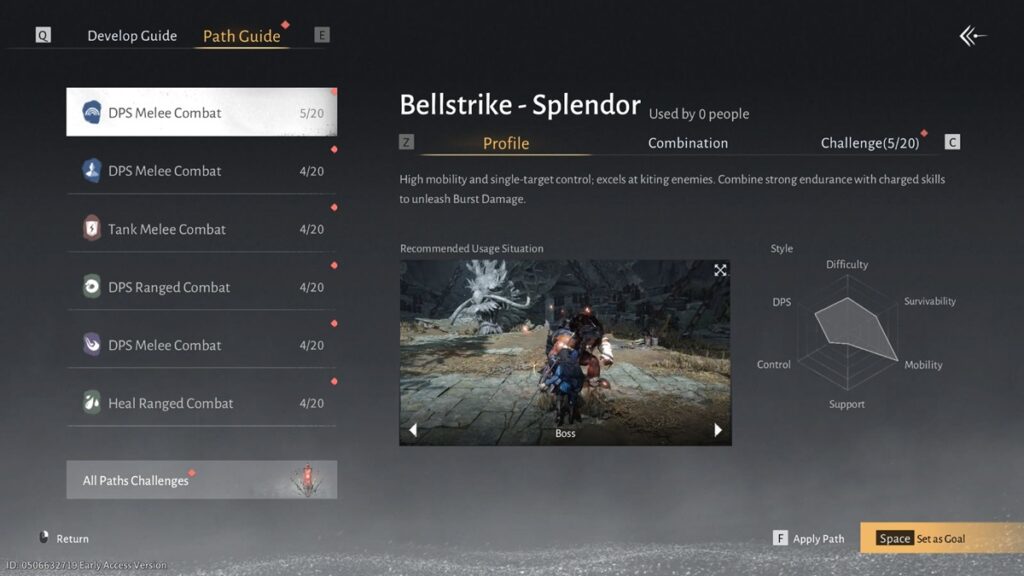
A high-mobility, charged-attack focused path built for strong single-target damage. It excels in boss encounters and rewards precise positioning and quick repositioning.
Bellstrike – Umbra
This variant emphasizes sustained pressure over burst damage. It’s smoother for longer engagements and feels more forgiving when fights don’t go perfectly.
Silkbind – Deluge

The support-focused path. It provides healing, sustain, and recovery tools that shine in co-op play. If you enjoy enabling your team and stabilizing fights, this is your lane.
Silkbind – Jade
A high-skill path centered around movement, airborne control, and range management. It rewards precision and punishes sloppy execution, making it ideal for mechanically confident players.
Bamboocut – Wind
Fast, aggressive, and combo-heavy. This path prioritizes consecutive attacks and sustained DPS but sacrifices survivability. Best suited for players who trust their execution.
Stonesplit – Might
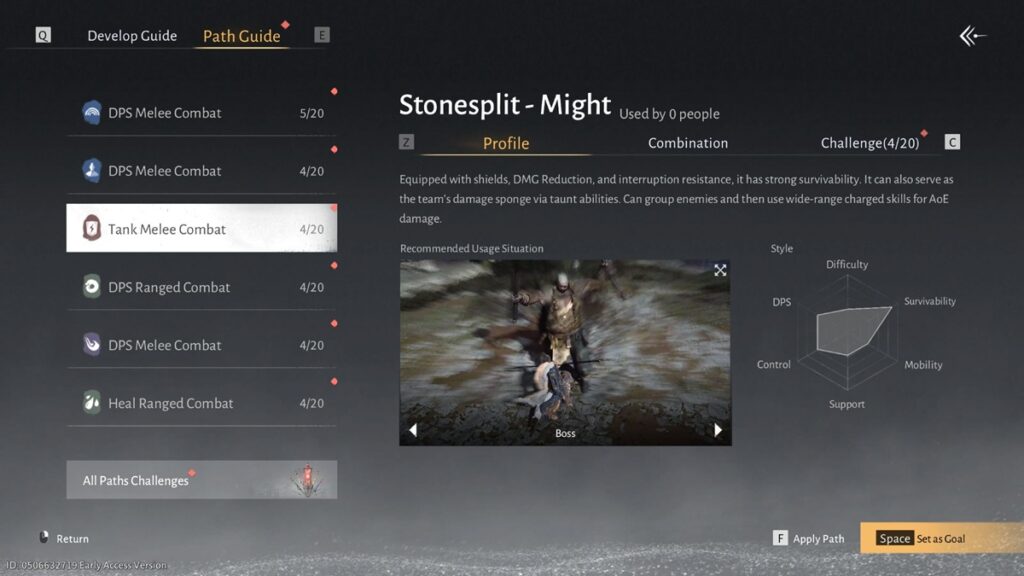
The tank-oriented path. It focuses on damage reduction, shields, and crowd control resistance, letting you anchor fights and absorb pressure without collapsing.
Weapon Swapping and Synergy Rules in Where Winds Meet
Weapon swapping is where builds either click or fall apart.
Scaling Matters More Than Weapon Rarity
If your two weapons scale differently, your endgame performance will suffer. Strong builds commit to shared scaling instead of chasing individual weapon power.
Buffs Persist Until You Break Path Logic
Many internal buffs persist when swapping, but switching into a weapon outside your Martial Arts Path can drop key bonuses. This is why mismatched weapons often feel worse than expected.
Rotation Is Your Real Damage
High DPS comes from timed swaps, not button mashing. Swapping to maintain pressure while effects persist is what separates clean builds from sloppy ones.
Comfort vs Peak Output
Hybrid setups with support tools are forgiving and great for learning. Pure damage setups hit harder but punish mistakes. Choose based on content and confidence.
Where Winds Meet Complete Weapon Guide: Recommended Weapon Pairings
Beginner-Friendly Setup
Sword paired with Spear or another forgiving weapon offers clean spacing, readable rotations, and consistent results while learning the system.
Boss-Focused Damage
High-mobility Bellstrike weapons shine in single-target encounters, allowing sustained pressure without overcommitting.
Tank and Crowd Control
Stonesplit – Might weapons excel at absorbing damage and controlling space, perfect for players who want to lead engagements.
Co-Op Support
Silkbind – Deluge turns you into the backbone of a group, providing sustain that keeps runs alive when things go wrong.
PvP-Oriented Play
Weapons that control distance like Rope Dart, Fan, or Umbrella reward positioning and punish mistakes, making them strong in competitive scenarios.
How to Unlock More Weapons Faster in Where Winds Meet
Many advanced martial arts unlock through exploration and skill acquisition systems rather than simple upgrades. If you want more options quickly, prioritize unlocking routes over over-investing in a single early weapon.
A solid progression loop looks like this:
- Unlock multiple weapon types early
- Test them in real combat
- Commit once your rotation feels natural
- Optimize stats after your build identity is clear
See Also: The New Divinity Game: Everything We Know So Far
This Where Winds Meet Complete Weapon Guide comes down to one truth: your best weapon isn’t the strongest on paper, it’s the one that fits your rhythm and path without breaking your flow. Learn your weapon type, commit to a Martial Arts Path, and build a rotation that feels seamless.
Ready to lock in your build and speed up progression? Top up Steam Gift Cards on Joytify and get back to carving your path through the jianghu.
FAQs
Your build is defined entirely by your weapons, your Martial Arts Path, and how cleanly you rotate between them in real combat. The game doesn't use a traditional class select screen.
One of the biggest early mistakes players make is locking into a single weapon or path instead of learning to rotate between different tools effectively.
Weapon rotation allows you to adapt to different combat situations and maximize your effectiveness in real combat by smoothly transitioning between your equipped weapons and Martial Arts Paths.
TL;DR
- Where Winds Meet does not use rigid classes; players define their roles through weapon types and Martial Arts Paths.
- Weapon swapping is crucial for effective builds; strong builds commit to shared scaling and maintain pressure through timed rotations.
- Each weapon type offers unique advantages: Swords are flexible, Dual Blades are aggressive, Spears excel at spacing, and more.
