

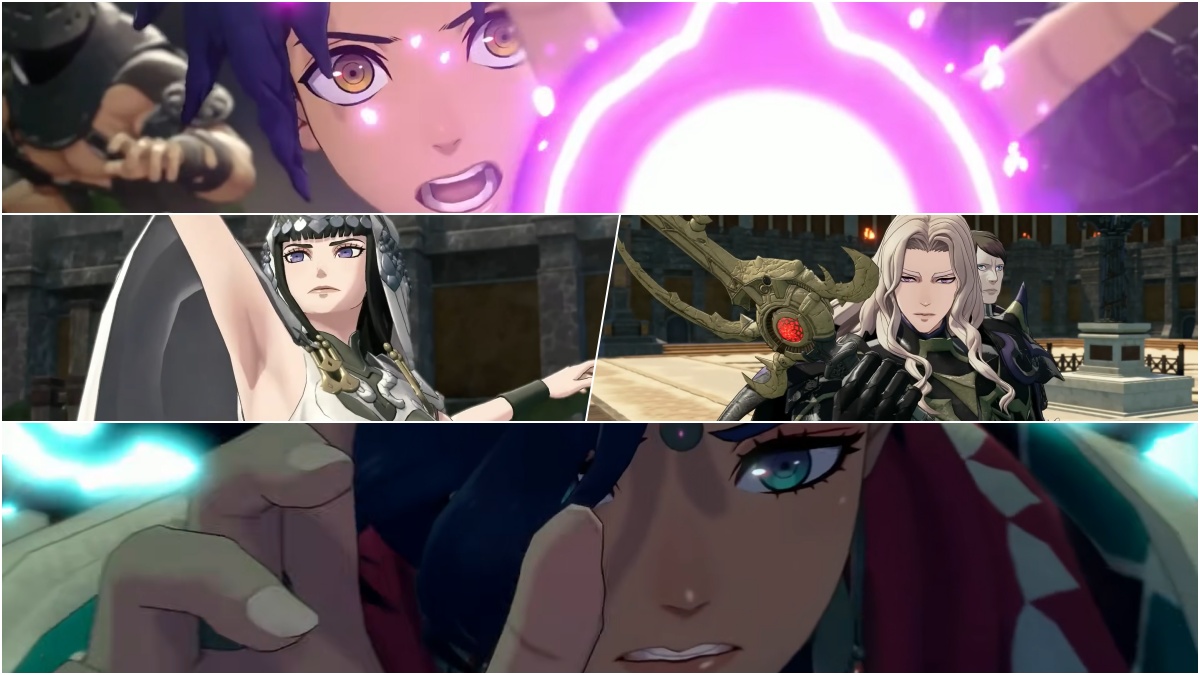
TL;DR
- Fire Emblem: Fortune's Weave is set to release on September 17, 2026, exclusively for Nintendo Switch 2, with no original Switch version planned.
- The game features a time-traveling narrative where players control a customizable protagonist, Eshmel, as they navigate a gladiator-style tournament to combat the demon god Balor.
- Gameplay includes a Free Time phase for preparation, a Grand Arena for battles, and a new tiered class system with unique abilities and combat mechanics.
Disclaimer: This summary was created using Artificial Intelligence (AI)
Fire Emblem: Fortune’s Weave is the game that finally answers what a mainline entry built for Switch 2 hardware looks like, and after digging through every Direct, every character reveal, and every scrap of mechanical detail Intelligent Systems has published, we have a clear picture of what we are walking into on September 17.
This is a grid tactics game wearing a Three Houses skeleton, strapped to a time travel engine borrowed from Awakening, with a dungeon crawler bolted onto the side for good measure. That combination should not work on paper. We are cautiously convinced it will.
Fire Emblem: Fortune’s Weave Launch Date And Platform Details
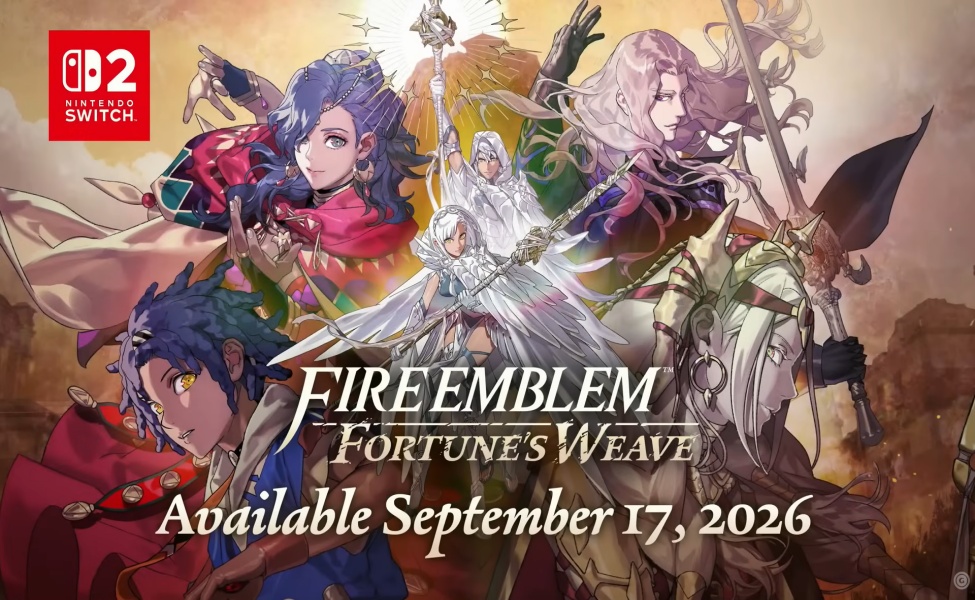
Mark your calendar for September 17, 2026. That is when Fortune’s Weave releases worldwide, exclusively on Nintendo Switch 2, with no original Switch version planned.

The game was first teased in a September 12, 2025 Nintendo Direct, which dropped a Sothis cameo and confirmed ties to the Fódlan continent without much else.
The June 9, 2026 Direct locked in the release date, and a dedicated 20-minute Direct on August 4, 2026 filled in the rest: story beats, class tiers, mount types, and combat systems.
A few technical notes matter here for anyone planning their preload. The file size sits around 29.5 GB, which is modest by current-gen standards but still worth clearing space for ahead of launch.
The game supports HDR on compatible displays and linear PCM surround sound, plus Save Data Cloud backup through a Nintendo Switch Online membership, so do not skip that subscription check if you are the type who resets a run and wants to recover a save. It ships in nine languages including English, Japanese, Spanish, French, German, Italian, Korean, and both Chinese variants.
The ESRB rating lands at T for Teen, citing fantasy violence, mild language, suggestive themes, and alcohol use, which tracks given how Three Houses handled its own tone.
Since this is a console exclusive, there are no PC-style specs to worry about. If your Switch 2 runs anything else, it runs this.
See Also: Genshin Impact v6.6 Phase 2 Lohen: A Must-Pull or C1 Bait?
Fire Emblem: Fortune’s Weave Price And Editions Breakdown
Pricing follows the pattern most Switch 2 exclusives have settled into. The digital version through the eShop runs $69.99, the standard physical copy costs $79.99, and the Dagdan Collection, the special edition, is priced at $119.99.
That collector’s box includes the full physical game, a steelbook case, a set of character art cards, a map of Dagda, and an art book reportedly running 150 to 200 pages depending on region.
It sold out at several retailers shortly after the announcement before seeing restocks, so if a physical art book matters to your shelf, do not wait until launch week to hunt one down.
UK pricing sits around £58.99 for the digital edition, consistent with regional variation across Nintendo’s other Switch 2 titles. Pre-orders, including digital preloading, have been live since the original announcement.
See Also: HoYoverse Third-Party Top Up Warning: How to Keep Your Account Safe from Bans
Fire Emblem: Fortune’s Weave Story Revealed So Far
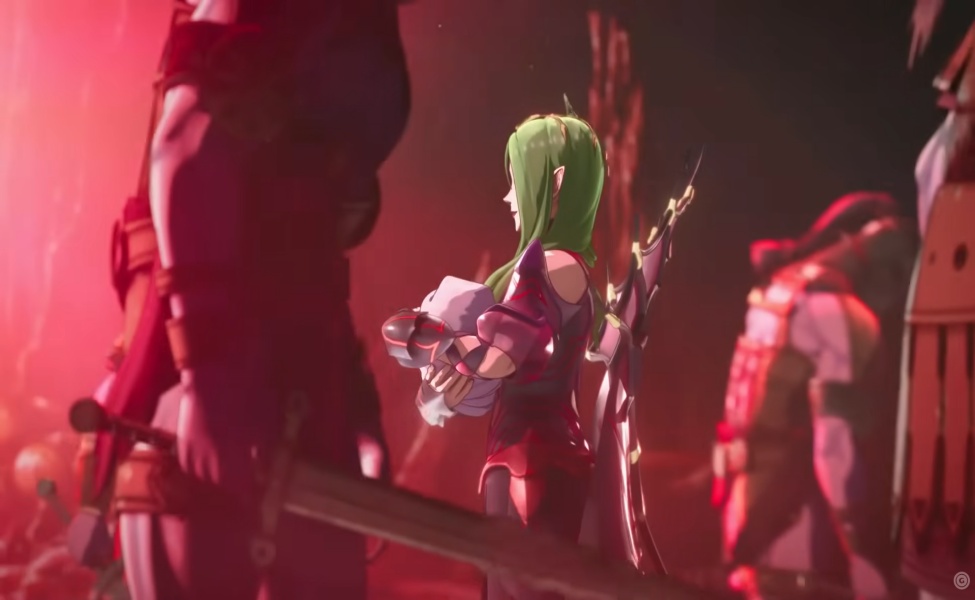
The premise is a time-traveling saga built around strength, gods, and a demon god eating the timeline.
In the Dagdan Year 1454, the Dagdan Empire, a land the gods had ruled for roughly 1,500 years, lies in ruins after the demon god Balor returns. The four heroes who should have stopped him have vanished.
Sothis, the progenitor god familiar to anyone who sank two hundred hours into Three Houses, summons a soul that materializes as Eshmel, the Herald of the Pale Raven and your fully customizable avatar.

With help from Fortuna, the goddess of causality who governs the time travel mechanics, Eshmel is sent back five years to 1449, into the middle of the Heroic Games in the capital city of Dagsion.
This is a gladiator-style tournament held in tribute to the empire’s founder, Dagda the Great, hosted by the Divine Sovereign Solel. The prize is one wish, granted to whoever wins, and that promise pulls in fighters with wildly different motivations.
You guide, and can freely switch between, four of those competitors as their stories unfold in parallel through the Pale Raven’s Perch hub system.
How you handle each storyline shapes what happens when Balor eventually arrives, whether you face him with a small crew or drag every ally you found across five years of time travel into the final fight.
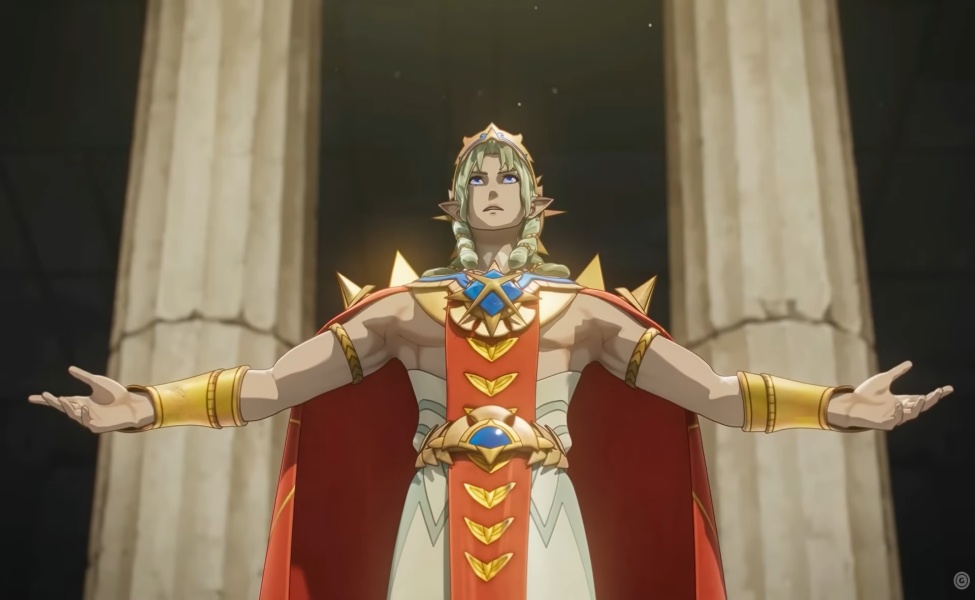
The connection to Three Houses is not subtle. Dagda sits on the same continent as Fódlan, southwest across the Lir Sea, and the Church of Seiros sends missionaries there. Whether this is a prequel or a distant sequel to Three Houses remains officially unconfirmed, though an older-looking Sothis in this game has some of us leaning toward the latter.
See Also: Top Up Genshin and ZZZ with UID Only: No Login Needed & Zero Chargeback Risk
Fire Emblem: Fortune’s Weave Characters
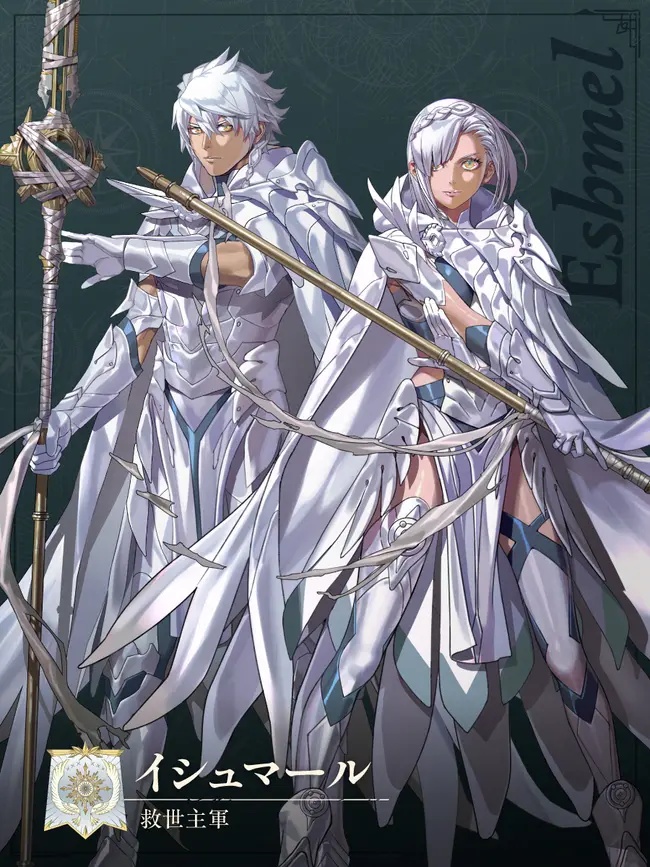
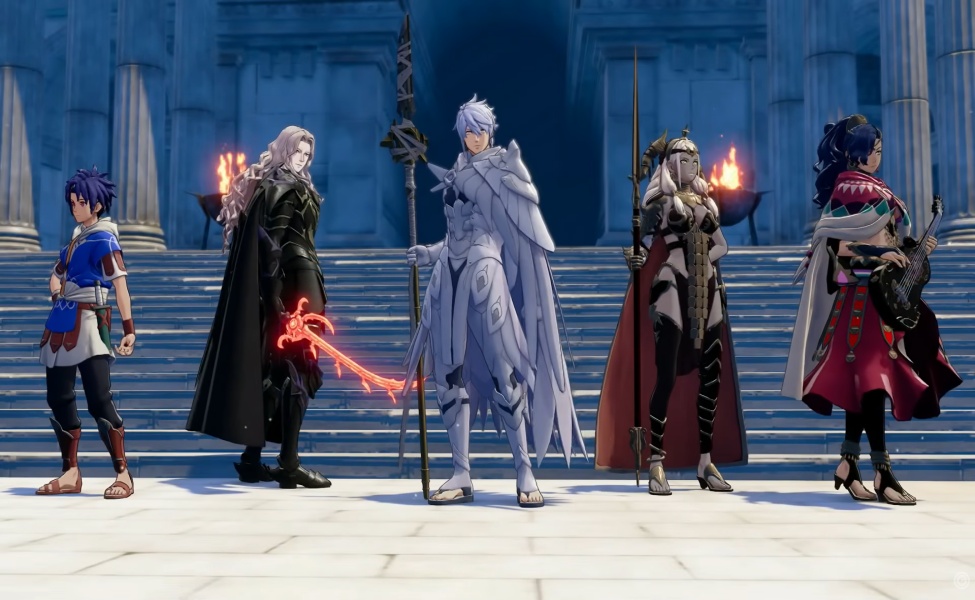
Eshmel anchors the cast as the customizable protagonist. You choose body type, skin tone, hairstyle, and hair color, and the character wields a spear called The Nameless while carrying a Blaze Art that spends HP to hit a wide range of enemies at once. Japanese voice work comes from Yoshitsugu Matsuoka and Marina Inoue depending on which body type you pick.
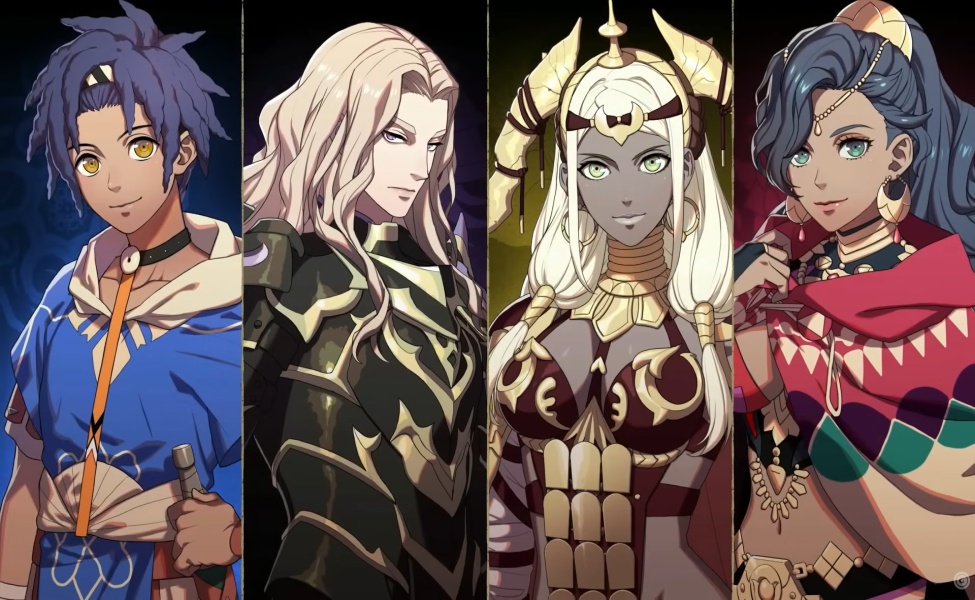
Then there are the four heroes, each with a full faction of allies built around them.

Cai leads the Ribeira Winds. He is an energetic 15-year-old from the peaceful village of Ribeira, entering the Games to free his imprisoned father, and he fights from a flying ostrich mount using a lance.
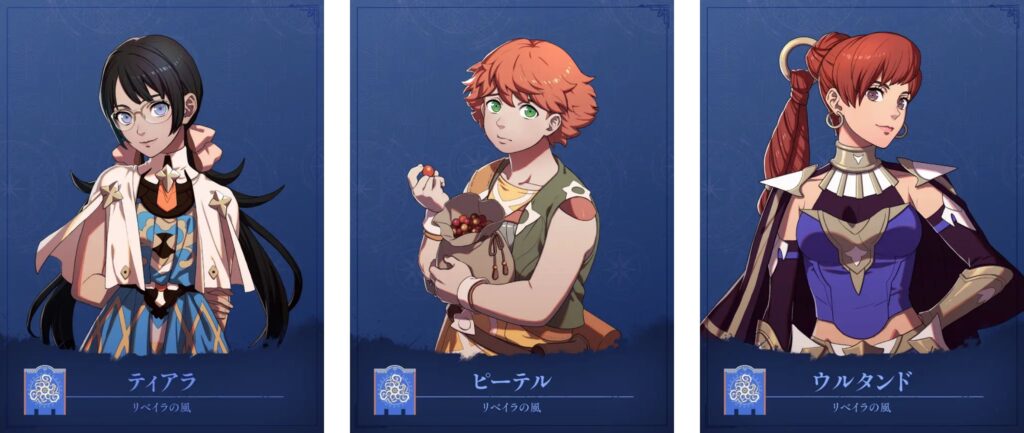
His crew includes Tialla, a bookish strategist who inherited her tactical mind from her grandfather and buffs allies mid-fight, Peter, a sharp-eyed but timid archer who can extend his range through a personal skill, and Ultand, a priestess who heals while dealing damage and picks up holy magic effective against Underworld-blessed enemies.

Dietrich commands House Lamine. He is a swordsman from Fódlan chasing stronger opponents, wielding the magic sword Answerer, a Hero’s Relic, and his Blood Flash technique boosts his critical hit odds significantly.
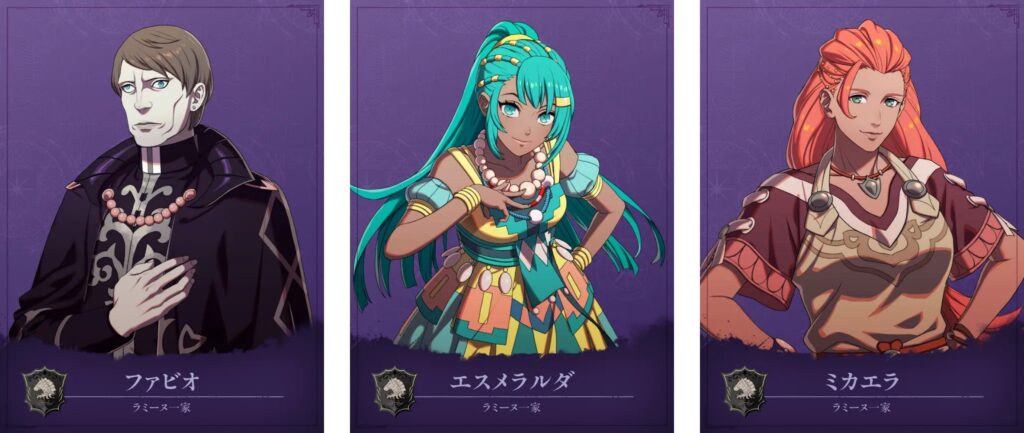
His allies include Fabio, a Church of Seiros missionary who lands dark magic that lowers enemy morale, Esmeralda, a fisherman’s daughter with freakish strength who wields any weapon regardless of how heavy it is, and Mikaela Augustus, a mercenary whose Strong Veteran skill raises accuracy when she stands adjacent to an enemy.
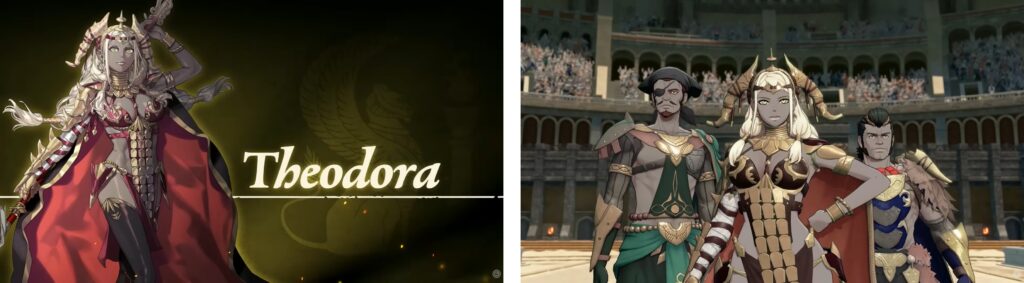
Theodora rules Megaira’s Beacon as the young Queen of Saramis. She fights with Mahamadu’s Lance, a weapon tied to a legendary hero, and can trigger Gambit commands that borrow her troops’ strength for wide-area attacks or healing.
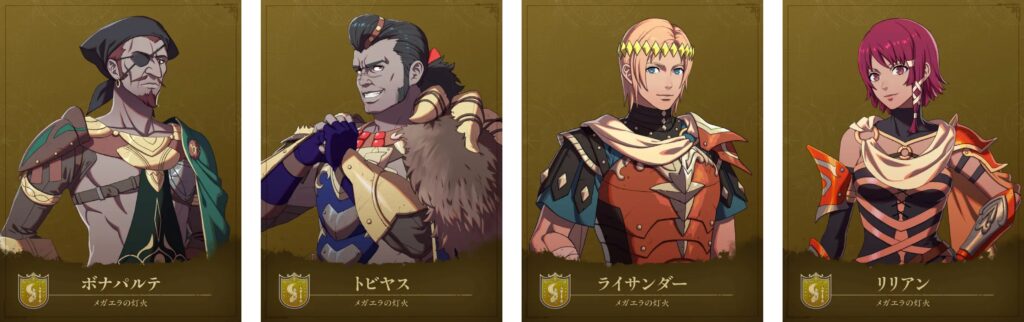
Her retainers include Bonaventure, an intelligence general who switches between sword and magic while buffing allies, Tobias, a blunt but powerful frontline general, Lysander Kratos, a fast cavalier whose Accelerate skill boosts Speed after a kill, and Lilian Tabitha, a money-obsessed archer whose Safe Strategy skill raises accuracy when she attacks from unreachable positions.

Leda fronts Rose Tempest. She is a musician seeking revenge for an incident five years prior, and she toggles between sword, bow, and her Biuela instrument depending on whether she needs offense or support.
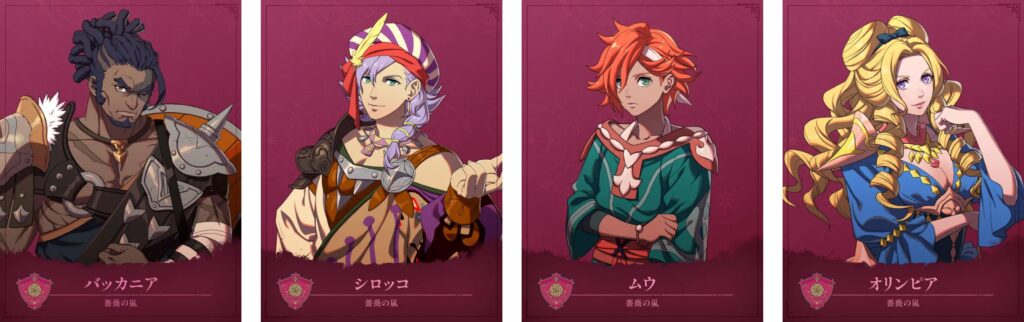
Her group includes Buccar, a veteran axe user who tanks hits before striking back, Scirocco, a flirtatious but sharp swordsman-mage, Mu, a disguised gauntlet fighter searching for her missing mother, and Olympia, a rival priestess whose Hating to Lose skill makes her white magic crits easier to land.
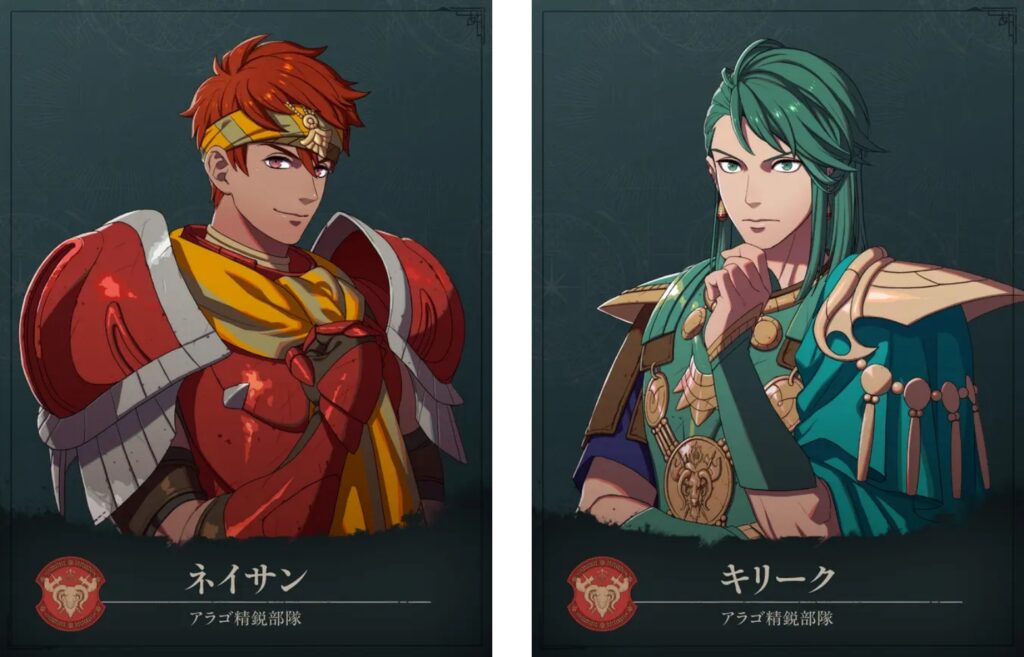
Beyond the four factions, the cast expands into Arago’s Elite Squad, led by Nathan and Creek, known together as the Twin Jewels of Arago, who show up both as Heroic Games opponents and later as actual wartime enemies.
Additional named figures span groups like the Kingdom of Arago, Mane of Flame, and the Pale Raven Bride Group, alongside returning Three Houses faces like Seteth.
Some family names tied to the cast, including references to Blaiddyd and Lamine bloodlines, suggest a few of these characters share ancestry with familiar Three Houses royalty, though nothing has been formally confirmed.
See Also: EA Sports FC 27 Ultimate Team Updates: Market & Meta Guide
Fire Emblem: Fortune’s Weave Gameplay And Combat Systems
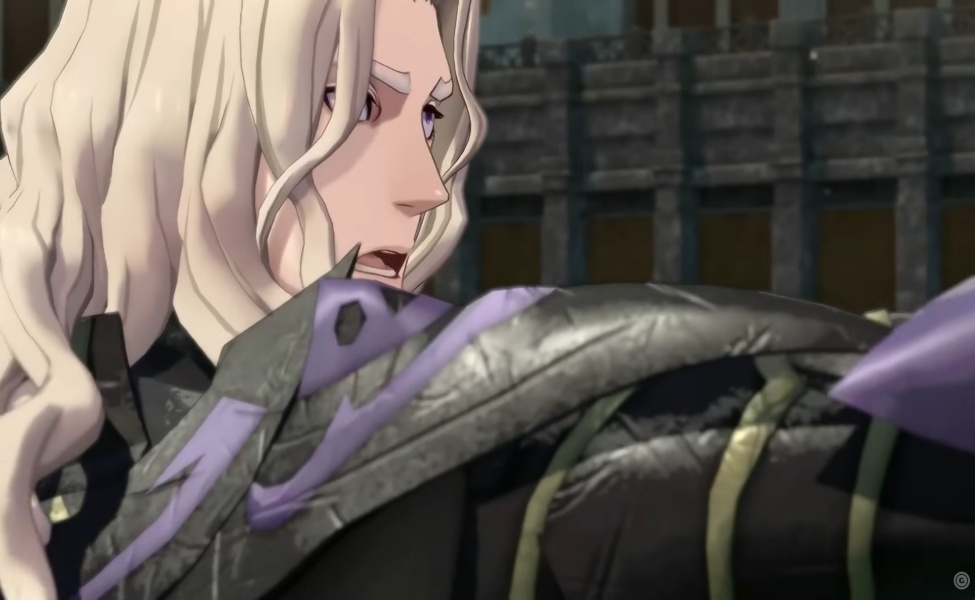
This is where the tactical meat lives, so we are breaking it down piece by piece.
The Free Time Loop And Preparation Phase
Fortune’s Weave drops the linear chapter structure of classic entries in favor of a Three Houses-style calendar system.
Before each Main Battle, you get a Free Time phase measured by a shrinking Turn Count. Spend it inside Dagsion at the Shopping Arcade for gear, the training grounds for stat grinding, or by spectating rival teams to scout upcoming matches.

Inns let you rest units, auto-progress time to bank levels and materials, and run Support Conversations for the relationship bonuses veterans know keep units alive.
Step outside Dagsion and the Dagda World Map opens up: skirmishes, bandit camps, and dungeons that run on a separate turn-based RPG combat system closer to Tokyo Mirage Sessions than a grid battle, built for farming materials and treasure rather than tactical positioning.
The Pale Raven’s Perch is the hub mechanic that lets you jump between all four heroes’ storylines at will, since their tales run simultaneously rather than locking you to one route from the start.
Main Battles And The Grand Arena
Main Battles are the actual tournament fights, staged in the Grand Arena with a unique layout for every match.
You get advance intel before each one, which means the anxiety of walking into an ambush spawn blind should be lower here than in older entries, assuming Intelligent Systems does not hide a nasty reinforcement wave behind a fog tile anyway.
We have all had a flawless Lunatic run wrecked by one reinforcement squad appearing exactly where our healer was standing, and we are watching closely to see if this Direct’s promise of pre-battle intel actually holds up once players get their hands on the harder difficulties.
Class Tiers And Weapon Design
Classes split into three tiers: Beginner, Specialty, and Advanced, with Certification Exams gating promotion instead of a guaranteed level-up jump.
Beginner classes include five foundational options like Gladiators for weapon users, Diviners for magic, and Ornius Riders for early mobility.
Specialty adds more than ten options, including Wing Soldiers and Charioteers, the latter of which can hit multiple targets in a straight line. Advanced classes cover master-tier units like Cataphracts, Guardians, and Elephant Riders.
Classes lock more tightly to specific weapon types than they did in Three Houses, which changes how you plan promotions.
Spears have largely replaced lances and carry a damage bonus against cavalry, gauntlets include ranged, firearm-styled options, and a new wooden weapons category joins the roster.
Mounted units can now dismount mid-battle, weather effects make a comeback for the first time since The Blazing Blade, and effectiveness indicators use color-coded arrows to show whether you are dealing one or two tiers of bonus damage.
If you have ever squinted at a damage preview trying to guess whether your axe user actually has the advantage, this should cut that guesswork out entirely.
Blaze Arts, Fortuna’s Blessing, And Combat Arts
Each of the four heroes carries a signature Blaze Art, a map ability that costs HP rather than weapon durability, similar in structure to the magic cost economy from Echoes: Shadows of Valentia.
Cai’s is a wide flame burst, Dietrich’s warps or cloaks him across the field, Leda’s buffs allies or summons demonic beasts through her music, and Theodora’s manipulates terrain.
These build a Blaze Gauge over time, unlocking stronger Burst-tier versions the longer a fight drags on, which gives late-game turns in a losing battle a real comeback mechanic instead of just hoping for good RNG.
Combat Arts return from Three Houses, trading weapon durability for stronger attacks, ranges, or added effects.

Fortuna’s Blessing is the headline new system: turn rewinding that lets you undo a bad move or recover a unit you just lost, rather than restarting an entire chapter over one dodge roll gone wrong.
For anyone who has stared at a permadeath notification in Classic Mode and immediately closed the game rather than accept it, this alone might be worth the price of admission.
Gambits, Crests, and Heroes’ Relics all return as well, layered under the growth rate visibility players have wanted since Three Houses first hid stat growths behind guesswork.
Being able to check exact percentages before committing a unit to a class change removes a lot of the min-maxing anxiety that used to come from blind faith in a support conversation.
Fire Emblem: Fortune’s Weave Community Reaction and What We are Watching
Reaction across Fire Emblem communities has leaned positive, with the free path-switching structure and the return of deeper social systems drawing the most praise after Engage’s comparatively stripped-down approach.
The concerns worth flagging: the hub and time management systems could bloat the pacing if Free Time phases run too long between battles, and the higher physical price point has drawn some grumbling given how packed September 2026 already is with other console releases.
Because Switch 2 hardware has proven difficult to datamine so far, expect growth rates and hidden mechanics to surface through actual community testing rather than early data extraction, which means meta discussions in the first few weeks after launch will look more like the pre-internet era of Fire Emblem theorycrafting than the spreadsheet-heavy discourse we got used to with recent entries.
See Also: Beast of Reincarnation: Launch Date & Combat Guide
Fire Emblem: Fortune’s Weave is stacking a genuinely dense set of systems on top of each other, time travel, dungeon crawling, weapon-locked classes, HP-cost specials, and a four-route structure you are never locked out of.
None of that guarantees the tactical depth holds up once players start pushing Lunatic-equivalent difficulties, but the pieces on paper suggest a game built by people who understand exactly why grid positioning and terrain choke points matter to this community.
Start thinking now about which of the four heroes fits your playstyle, because come September 17, you will want a positioning plan ready before that first Grand Arena match throws its layout at you.
FAQs
Fire Emblem: Fortune's Weave is confirmed to release on September 17. This date was revealed through Nintendo Direct announcements and official materials from Intelligent Systems.
Yes, Fortune's Weave is designed from the ground up for Switch 2 hardware, making it the first mainline entry in the series built natively for that platform. Intelligent Systems has used the upgraded hardware to introduce new mechanical and visual features not possible on the original Switch.
Based on details published by Intelligent Systems, Fortune's Weave introduces new tactical systems that build on the series' classic grid-based combat. Specific mechanical details have been revealed through character showcases and Direct presentations leading up to the game's launch.
TL;DR
- Fire Emblem: Fortune's Weave is set to release on September 17, 2026, exclusively for Nintendo Switch 2, with no original Switch version planned.
- The game features a time-traveling narrative where players control a customizable protagonist, Eshmel, as they navigate a gladiator-style tournament to combat the demon god Balor.
- Gameplay includes a Free Time phase for preparation, a Grand Arena for battles, and a new tiered class system with unique abilities and combat mechanics.
