




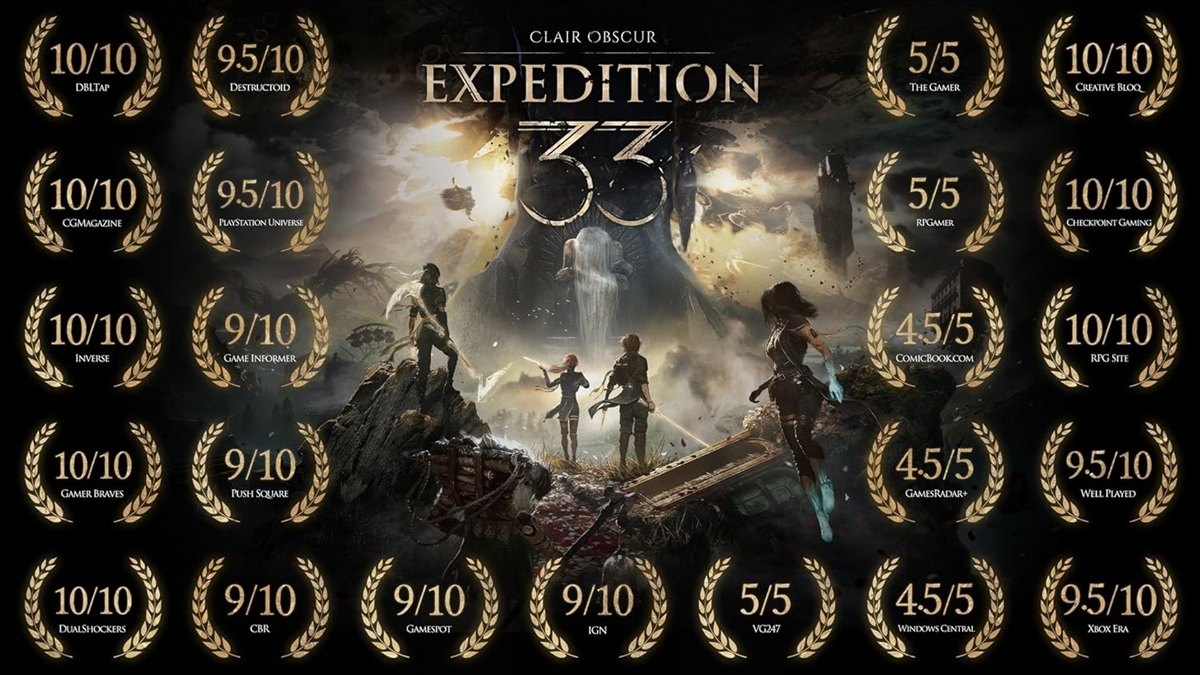
Expedition 33 full review coverage has been everywhere lately, and for once, it’s not just because a game looked good in trailers or benefited from launch-week hype. Players stuck with it, talked about it, argued over its systems, and kept coming back with the same conclusion: this was a game that knew exactly what it wanted to be.
Even before The Game Awards validated that momentum, Expedition 33 had already carved out a clear identity. Combat felt deliberate, progression rewarded skill over grind, and the overall experience stayed focused instead of bloated. In a year crowded with RPGs chasing scale and spectacle, this one stood out by choosing restraint.
That restraint is what ultimately defines Expedition 33. It doesn’t rush to explain itself, doesn’t dilute its systems to be universally approachable, and doesn’t chase trends for the sake of relevance. Instead, it commits to a clear direction and trusts players to meet it on its terms, a decision that paid off in both critical recognition and word-of-mouth praise.
Expedition 33 Gameplay Foundations and Core Loop

This Expedition 33 full review launches straight into its brilliant foundations. Because at its core, Expedition 33 is a systems-driven RPG that demands engagement. This is not a game built for passive play or background grinding. From the early hours, it establishes that understanding mechanics matters more than inflating numbers.
The core loop revolves around preparation, execution, and adaptation. You are expected to read encounters, manage momentum, and adjust strategies on the fly. Progress feels earned because success comes from mastery rather than repetition.
What keeps the gameplay compelling is that improvement is tangible. You don’t just get stronger, you play smarter. That learning curve is one of the biggest reasons the game maintains momentum well into the later stages.
See Also: The Game Awards 2025 Breaking Down The Biggest Moments


Expedition 33’s Unique Combat Design And Mechanical Depth

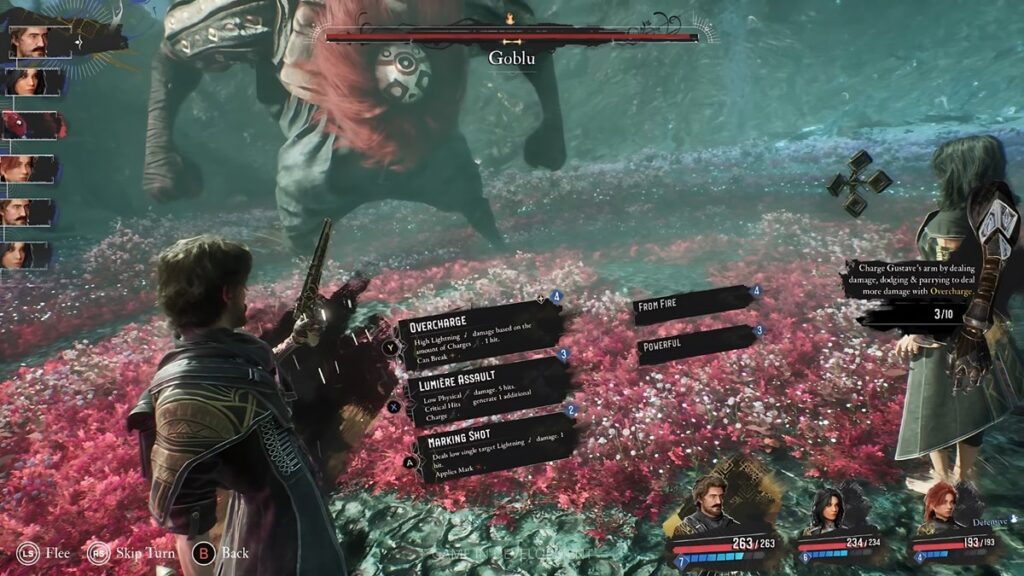
Combat is the backbone of Expedition 33 and the clearest reason it resonated with players.
Encounters emphasize timing, positioning, and intent. Autopilot play is punished quickly, while thoughtful decision-making is consistently rewarded. Enemy variety and encounter design prevent the game from settling into a single dominant strategy, keeping combat fresh throughout the experience.
Boss fights deserve special mention. They act as mechanical checkpoints rather than damage sponges. Patterns are readable without being trivial, and losses usually point back to player choices rather than balance issues. This approach makes difficulty feel demanding but fair, which is why boss encounters are often cited as highlights rather than frustrations.
Player Skill Expression And Why Combat Feels Fair
One reason Expedition 33’s combat stays engaging is how clearly it rewards player skill over raw stats. Strong timing, pattern recognition, and decision-making consistently matter more than simply having better gear. Skilled players can survive tougher encounters with fewer upgrades, while careless play gets punished regardless of build.
This design creates a rare sense of fairness. Wins feel earned because they reflect understanding, not just preparation. It also explains why the combat system holds up over long sessions. As your mastery improves, the game responds, making every encounter feel sharper rather than routine.
Expedition 33 Exploration And World Structure
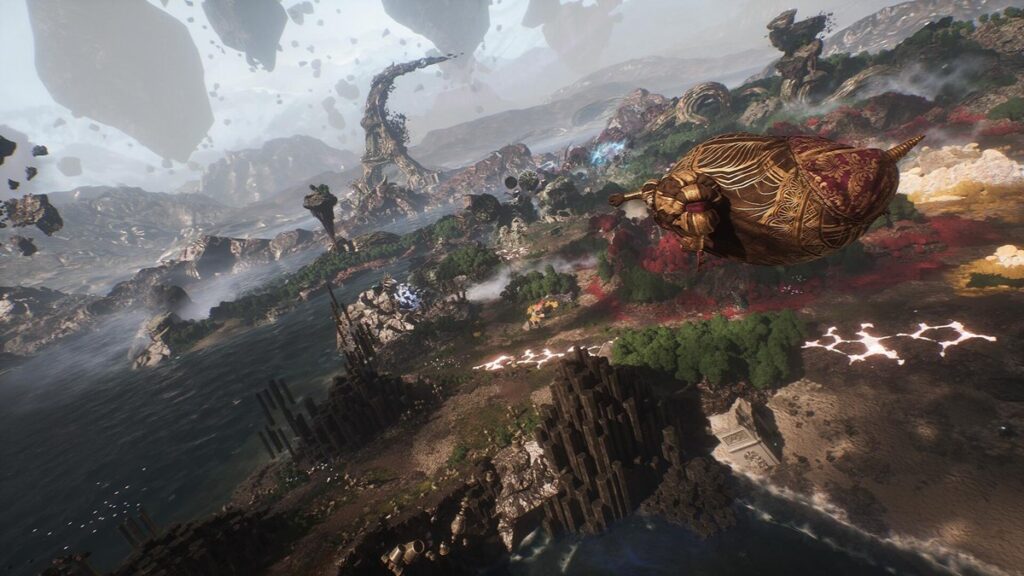
Exploration in Expedition 33 is intentionally curated. Instead of an endless open world, the game opts for directed spaces that preserve pacing and tone. This keeps tension intact and prevents the experience from feeling diluted.
Environmental storytelling does a lot of the heavy lifting. Worldbuilding is communicated through atmosphere, visual motifs, and subtle details rather than constant exposition. The result is a world that feels lived in without stopping to explain itself at every turn.
Players who value momentum and immersion tend to appreciate this structure, while those looking for unrestricted wandering may find it more controlled.
How The World Communicates Without Overexplaining
Expedition 33’s worldbuilding relies heavily on implication. Instead of lengthy exposition, it communicates through environmental details, recurring visual motifs, and subtle shifts in tone. Locations tell stories through layout and atmosphere rather than dialogue.
This approach invites interpretation. Players are encouraged to piece things together themselves, which fuels discussion and theory-crafting long after the credits roll. The restraint also keeps pacing tight, allowing the world to feel mysterious without becoming confusing.
Progression Systems And Endgame Content In Expedition 33

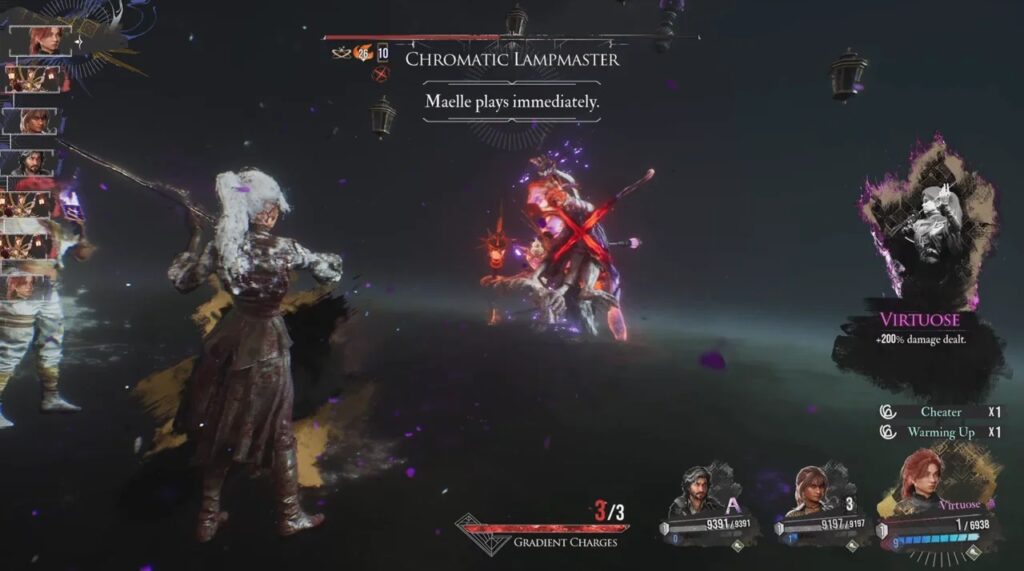
Progression avoids turning into pure optimization. Upgrades meaningfully change how you approach combat instead of simply increasing output numbers. Builds feel expressive, and experimentation is encouraged rather than punished.
Because progression is layered, players can engage with as much complexity as they are comfortable with. Depth is present, but it never becomes mandatory in a way that stalls momentum.
Why Players Keep Coming Back After The Main Story
Endgame content in Expedition 33 is built around mastery, not obligation. Instead of padding playtime with repetitive tasks, it offers challenges that test how well you understand the game’s systems. This keeps post-game play engaging for players who want to refine their skills.
The satisfaction comes from improvement rather than completion. Beating optional encounters or tackling harder content feels meaningful because success depends on execution, not endurance. That focus is a big reason the game maintains strong player retention without relying on grind-heavy design.
See Also: Skate Story Drops Day One on PS Plus: All Details Explained
Game Direction And Creative Identity
One of Expedition 33’s greatest strengths is how unified it feels. Visual design, combat systems, pacing, and narrative tone all align toward the same goal. There is very little friction between systems, which is rare for an RPG of this scope.
The game respects player intelligence. It avoids over-tutorialization, trusts players to learn through play, and commits fully to its ideas instead of hedging them. That clarity of direction is a major reason the experience feels so confident.
Community Momentum And Why Praise Stayed Consistent
What’s notable about Expedition 33’s reception is how unified player discussion became. Early impressions, long-term reviews, and post-awards reactions all pointed in the same direction. Praise wasn’t fragmented across isolated strengths. It centered on cohesion.
Word of mouth grew organically because players kept having similar experiences and Expedition 33 full review coverage was consistent throughout the internet. Combat felt fair. Direction felt confident. Systems reinforced each other. That consistency is rare, and it explains why the game’s reputation snowballed without needing dramatic post-launch reinvention.
Why Expedition 33 Won So Many Awards
The recognition Expedition 33 received at The Game Awards did not change its reputation. It confirmed it.
The game was celebrated for its combat design, cohesive vision, and confident execution. In a crowded release year, it stood out by delivering a focused experience that never lost sight of its strengths. The wins felt earned because they reflected what players were already saying.
Rather than relying on spectacle or scale, Expedition 33 succeeded through discipline and clarity.
See Also: PlayStation’s 2025 Wrap-Up: A Deep Dive Into Your Stats
Claire Obscure: Expedition 33 is a focused, mechanically deep RPG that rewards engagement and commitment. It does not chase trends or dilute its ideas to appeal to everyone. That confidence is exactly why it resonated so strongly with players and critics alike.
If this Expedition 33 full review just made the game force its way into your must-play list, make sure you are ready for the journey and top up Steam gift cards on Joytify, because this is the kind of game that quietly turns “one more fight” into an entire weekend.
TL;DR
- Expedition 33 excels in creating a clear identity with focused gameplay and deliberate combat, standing out in a year filled with expansive RPGs.
- The game emphasizes player engagement through its systems-driven RPG mechanics, rewarding mastery and smart decision-making over simple grinding.
- Combat design is highlighted by its emphasis on timing and strategy, with boss encounters serving as mechanical checkpoints that challenge player skills.