





Writing a Metroid Prime 4 Beyond review in 2025 honestly feels a bit surreal. After years of delays, a full development reboot, and the jump to new hardware, Samus’s latest outing finally lands as a first-person adventure that, at its best, recaptures the moody, exploratory magic of the original Prime trilogy. Viewros is dense, strange, and rewarding to pick apart, and when you’re alone with your visor and a half-lit corridor, it feels like Metroid is truly back.
The catch is that Metroid Prime 4: Beyond also wraps that core in modern design decisions that don’t always help. A talkative companion, a bike-focused hub that overstays its welcome, and amiibo-locked extras sit on top of an otherwise excellent structure. The result is a game that’s often fantastic when it trusts itself — and occasionally frustrating when it doesn’t.
Metroid Prime 4 Beyond review — Story, Tone, and Atmosphere

Beyond drops Samus onto planet Viewros, a lush yet hostile world framed around a central mystery: what happened to the ancient Lamorn civilization, and why is reality itself acting weird around its ruins? The setup is classic Metroid—Samus alone, stranded, trying to understand an unknown world while hunting for a way back out.
Narratively, the game sticks close to Prime tradition. Most of the lore is told through scan logs, environmental hints, and optional terminals, so players who want to just play can ignore a lot of it, while lore nerds can fall into deep dives about Lamorn tech and Sylux’s agenda. The “transporter keys” McGuffin that some journalists mention isn’t groundbreaking, but it works as a spine to move you through Viewros.
Atmosphere is where Beyond still hits hard. The sound design, ambient music, and environmental storytelling are all on brand for Prime: distant screeches in the jungle, minimal but effective musical stings, and level geometry that always feels like it was built with a purpose instead of just being corridors. When the game lets you be alone with the planet, it absolutely nails the mood.
See Also: Wukong Sequel Black Myth: Zhong Kui Release Date, Story & Gameplay Overview


Metroid Prime 4 Beyond review — Exploration, Psychic Powers, and Core Gameplay

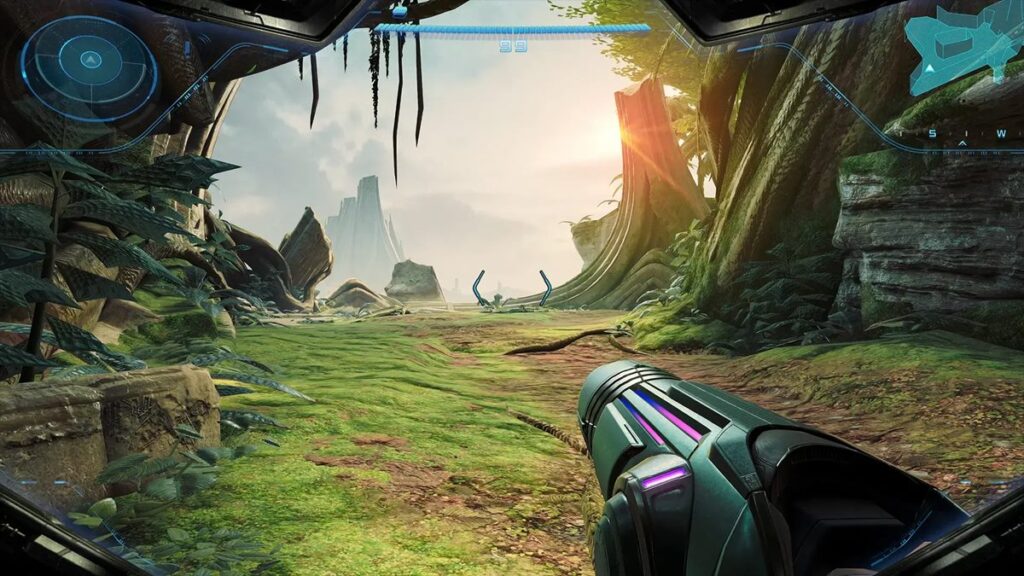
Moment to moment, Beyond is still Metroid Prime at its core: you explore interconnected biomes, scan everything, unlock new suit abilities, and then realize you can now access that one weird door you clocked four hours ago. Retro’s ability-gated progression design is still sharp, especially in Viewros’ dense jungle and lamorn research complexes.
The big mechanical twist this time is Samus’s psychic abilities. Introduced in the 2025 Direct and fully realized in the final game, they let you do things like redirect beam shots mid-air, manipulate environmental objects from range, and create temporary platforms. In practice, they’re at their best in puzzle rooms and late-game combat arenas, where bending shots around corners and repositioning hazards feels fantastic. When the game leans into “shooting as a spatial puzzle,” it really shines.
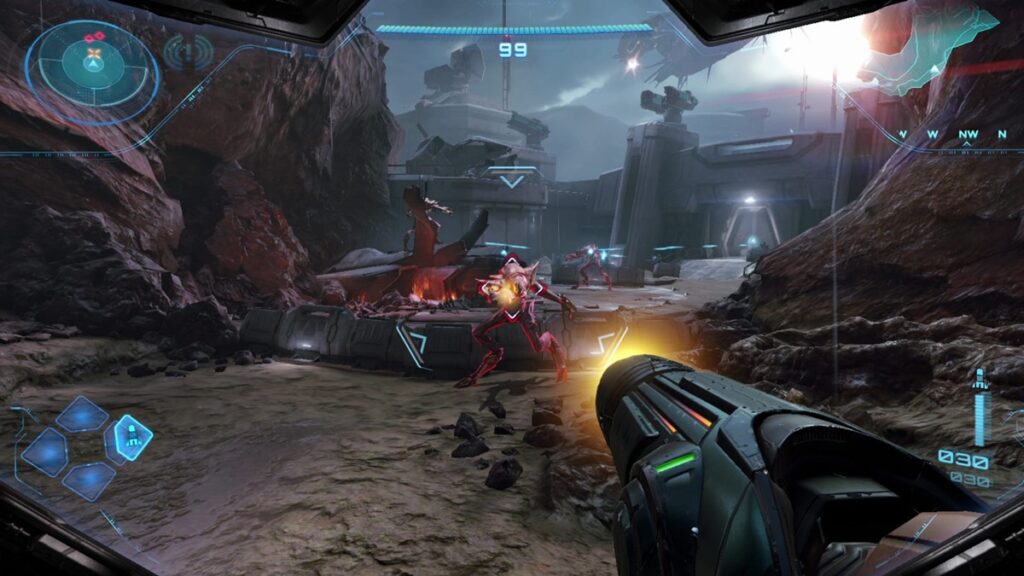
Combat is still more about reading patterns and positioning than twitch aiming, but the new abilities add just enough spice that late-game encounters don’t feel like Prime 1 with prettier lighting. Bosses in particular benefit from this—several late encounters force you to juggle psychic manipulation, traditional missiles, and terrain control all at once, and they end up as some of the most memorable fights in the series.
Metroid Prime 4 Beyond review — Vi-O-La Bike and Hub Design
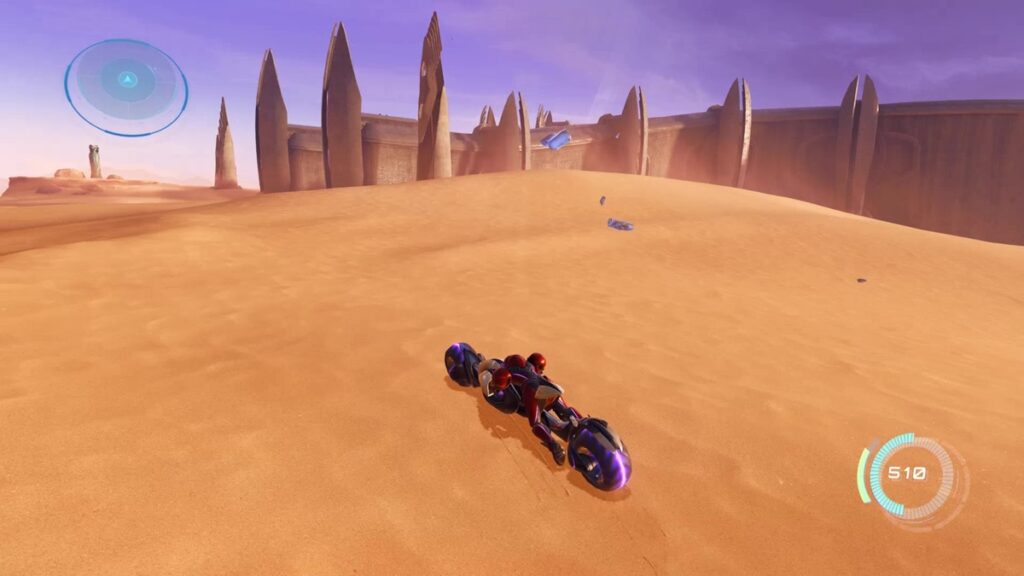
One of the most controversial additions is Samus’s new bike, the Vi-O-La, which you saw heavily in pre-release trailers. The concept is cool: a high-tech bike you use to cross a sprawling desert hub region that connects various zones. In short bursts, it works. The first time you rip across open sand, dodging storms and taking potshots at flying enemies, it feels like a fresh spin on Metroid traversal.
The problem is how often the game sends you through that hub. Multiple reviewers and players have called the desert section “dull” or “tedious” once the novelty wears off, especially when backtracking kicks in. Metroid traditionally uses tight, looping spaces that you mentally map over time; Beyond’s wide, bike-centric overworld doesn’t always deliver that same satisfaction. It’s not broken, but it’s clearly the weakest structural choice in an otherwise strong exploration game.
When you’re off the bike and spelunking in dense, handcrafted levels, it feels incredible. When the game says “hop back on Vi-O-La and cross the desert again,” you can feel the pacing sag.
Metroid Prime 4 Beyond review — Myles and the “Shut Up, Sidekick” Problem

If there’s one thing the community seems united on, it’s this: Myles MacKenzie, Samus’s new chatty sidekick, is… not beloved. Reddit threads are full of players complaining about his constant quips, over-explaining, and tendency to jump in right when you’re trying to quietly explore.
Myles is clearly designed to make the game more approachable—he gives hints, reacts to discoveries, and tries to keep the story moving verbally—but in a series that historically thrives on silence and isolation, it lands wrong for a lot of people. Worse, even with tutorials turned down, he still pops up more than many players would like, and there’s currently no granular “shut him up but keep other voices” option.
Some players have resorted to muting voice volume entirely, which several have said instantly improves the experience. That pretty much sums it up: Myles isn’t game-ruining, but he’s a layer of noise on top of a series that didn’t need extra chatter.
See Also: The Pokémon Legends Z-A Hype Is Real and Here’s Why
Metroid Prime 4 Beyond review — Amiibo Gating and Monetization Friction

Metroid Prime 4: Beyond also continues a very Nintendo kind of controversy: locking meaningful features behind amiibo. A new $30 Samus amiibo is required if you want the full radio functionality on the Vi-O-La bike, letting you listen to in-game music while exploring. Older Samus amiibo don’t unlock the same features.
Other amiibo unlock extra bike tracking, skins tied to mileage milestones, and a special Sylux-related scene (which you can still see by 100% completing the game). Older figures get minor sound effects at best. For a lot of players, this feels like too much content being shoved into plastic paywalls—especially given past criticism when Metroid: Samus Returns tied Fusion difficulty to a rare amiibo.
None of this stops Beyond from being enjoyable, but it adds a layer of “are you serious?” on top of a $60–$70 game. If you don’t care about the radio or extra cosmetics, you can ignore it, but it’s an avoidable sore spot.
Metroid Prime 4 Beyond review — Visuals, Performance, and Platform Differences
On Switch, Beyond looks good considering the hardware limits: strong art direction, expressive lighting, and some impressive vistas on Viewros. But the real showcase is Switch 2. You get options like 4K at 60 fps or 1080p at 120 fps, plus cleaner textures and better effects.
Performance across both platforms is generally stable in most enclosed areas. Some reviewers mention minor dips in busier open sections on the original Switch, especially during bike combat or heavy particle effects, but nothing that tanks the experience.
This isn’t a “tech flex” on the level of big PC shooters, but it feels like a proper current-gen Metroid, not just an upscaled GameCube project. The visual identity—alien architecture, organic vs mechanical contrast, atmospheric fog—is on point.
Critical and Community Reception
On the critic side, Metroid Prime 4: Beyond is landing solidly in the “generally favorable” zone, sitting around an 80 Metascore with most outlets praising its core design and calling out its added fluff. Reviews highlight:
- Excellent exploration and level design when it sticks to classic Prime
- Strong boss fights and satisfying power progression
- Great atmosphere and worldbuilding on Viewros
At the same time, the louder community conversations are about:
- Myles being intrusive and grating
- The desert hub and bike backtracking feeling repetitive
- Amiibo locking QoL features behind expensive figures
So the sentiment isn’t “Metroid Prime 4 is bad,” it’s more “Metroid Prime 4 is really good when it stays out of its own way.”
Is It Worth Playing?
If you loved the original Prime trilogy and just wanted a modern version that respects that legacy, Metroid Prime 4: Beyond mostly delivers. The core loop—scan, explore, power up, double back, fight an absurd alien monster, do it again with new tools—is still extremely satisfying. The new psychic abilities genuinely add something fresh, and when the game traps you alone in a strange facility with nothing but your visor and your instincts, it feels like Prime at its best.
You do, however, have to accept a few caveats:
- A talkative sidekick that clashes with Metroid’s traditional loneliness
- A hub/bike section that slows pacing once the novelty is gone
- Amiibo-locked extras that feel unnecessarily gated
None of these ruin the game, but they’re noticeable rough edges on an otherwise polished return. If you can tune out Myles, file the bike as a minor inconvenience and ignore the amiibo drama, there’s a great experience underneath.
For long-time fans, Beyond is absolutely worth playing, even if it isn’t the flawless, pure throwback some might have dreamed of. For newcomers, it’s a strong entry point—just know that the best parts are in the quiet moments with your visor on, not the chatter or the merch tie-ins.
Before you dive into Viewros, make sure to top up on Joytify so you’re ready for your gaming session.
TL;DR
- Metroid Prime 4: Beyond successfully recaptures the moody, exploratory magic of the original Prime trilogy while introducing modern design elements.
- The game features a dense and atmospheric world, Viewros, with a focus on environmental storytelling and lore delivered through scan logs and optional terminals.
- Samus's new psychic abilities enhance gameplay by allowing players to manipulate environments and create platforms, adding depth to puzzles and combat.


