


TL;DR
- The tier list reflects the current meta in Version 3.8, focusing on team synergy, damage compression, and rotation efficiency.
- Characters are ranked based on overall impact, flexibility, and scaling with investment, particularly in high-end modes like Memory of Chaos and Pure Fiction.
- S Tier characters dominate endgame content and require less setup, while A Tier characters are strong but need more structured teams to reach their potential.
Disclaimer: This summary was created using Artificial Intelligence (AI)
This HSR tier list reflects the current state of the meta in Version 3.8, where team synergy, damage compression, and rotation efficiency define who actually dominates endgame content. The power balance never stays static. New banners introduce stronger scaling options, reruns revive forgotten comps, and small shifts in Memory of Chaos or Pure Fiction design can dramatically change who rises and who falls.
Right now, performance is not just about raw damage numbers. It is about consistency under pressure, flexibility across team structures, and how efficiently a character converts investment into results. Some units deliver immediate impact with minimal setup, while others demand stricter compositions to reach similar output.
This Honkai Star Rail tier list focuses on who consistently performs in end-game modes, ranking characters based on real meta value rather than hype. If you are planning your next pull or deciding where your resources should go, this breakdown is built to help you invest with clarity and build teams that actually hold up in endgame rotations.
This HSR Tier List list evaluates characters in end-game content where execution and efficiency matter most. Memory of Chaos and Pure Fiction are the benchmarks, and performance in those modes carries the most weight.
See also: Honkai Star Rail 4.1: Ashveil Banner Leaks And Pull Guide
How This HSR Tier List Is Ranked
Honkai: Star Rail Characters
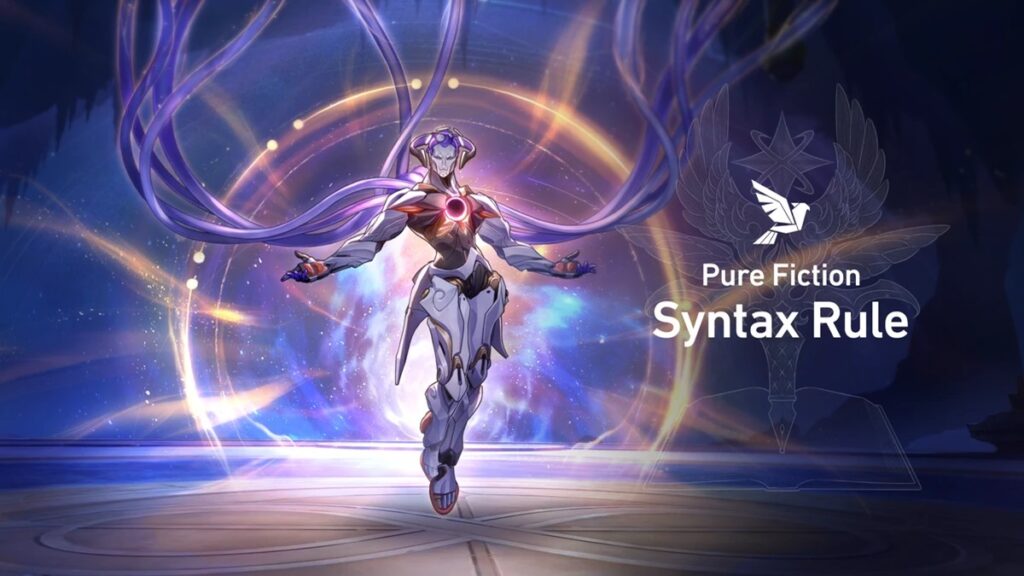
Characters are ranked based on overall impact, flexibility across team compositions, scaling with investment, and how well they align with the current meta. This list assumes optimized builds and structured teams. Lower-tier units can still clear content, but higher-tier characters reach stronger results more consistently and with less friction.
See Also: Honkai Star Rail 4.1: Ashveil Banner Leaks And Pull Guide

See also: Fortnite x Honkai Star Rail Event, Skins, and Free Rewards
S Tier: Meta-Defining Powerhouses (Version 3.8)
S Tier in this HSR Tier List represents characters who consistently dominate endgame content and shape how teams are built around them. These are the units that make Memory of Chaos clears smoother, Pure Fiction scores higher, and banner decisions easier.
They require less babysitting, scale extremely well with investment, and remain strong across multiple rotations instead of relying on one favorable cycle.
If you are playing for long-term account value, this is where your priority pulls belong.
Phainon
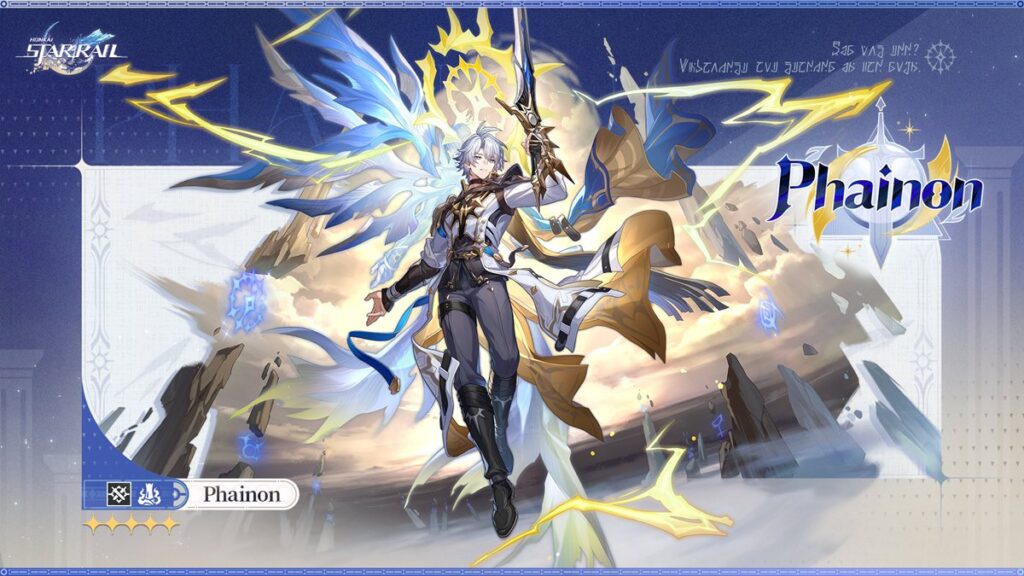
Phainon is one of the most reliable single-target DPS options in Version 3.8. He delivers explosive burst during damage windows while maintaining strong sustained output, which makes him incredibly consistent in boss-heavy Memory of Chaos rotations.
He does not need complicated setups or fragile conditions to function. You build him properly, give him solid support, and he deletes HP bars on schedule.
Why S Tier:
• Elite burst ceiling that shreds boss phases
• Excellent scaling with premium buffers
• Consistent performance across multiple MoC cycles
• Strong even outside perfectly optimized scenarios
Phainon earns S Tier because his damage is not conditional on niche mechanics or rare setups. He performs at a top level even when the fight is not designed specifically for him, and that reliability separates him from most A Tier DPS units.
Cyrene
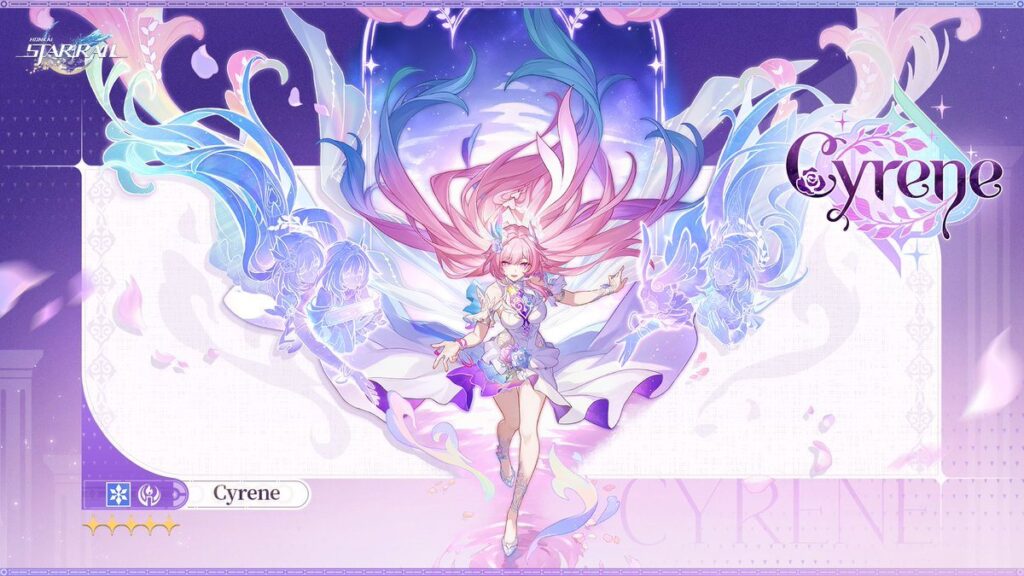
Cyrene is pure account value. She increases overall team damage, improves rotation flow, and slots into multiple archetypes without feeling forced.
Instead of being locked to one specific comp, she upgrades almost any team you put her in.
Why S Tier:
• Major team-wide damage amplification
• Strong synergy across multiple DPS archetypes
• Flexible team-building options
• Long-term meta stability
Cyrene belongs in S Tier because her impact multiplies the strength of everyone around her. Supports that elevate entire rosters age far better than isolated damage dealers, and she does exactly that.
Castorice
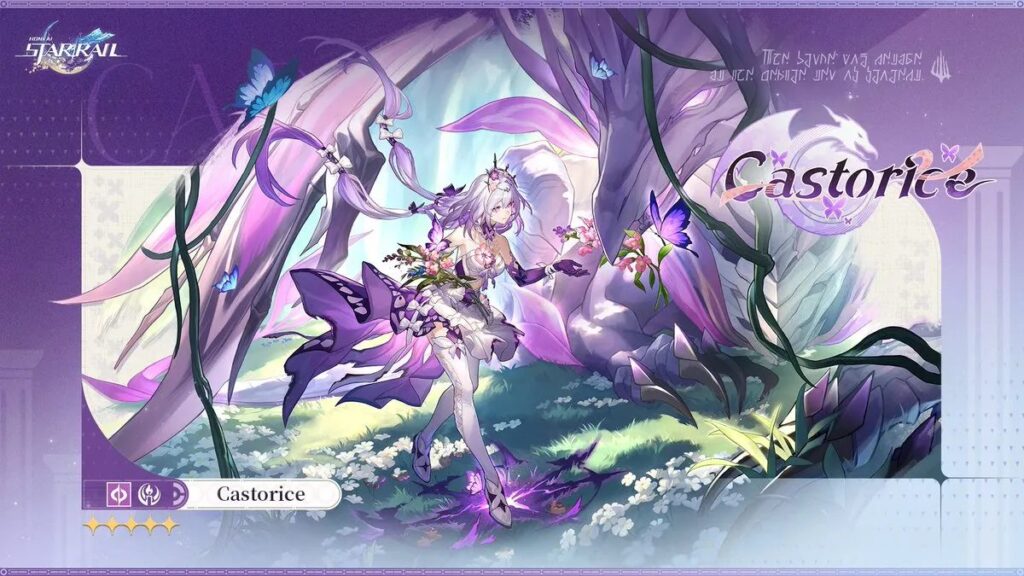
Castorice remains one of the most stable Quantum DPS options in the current meta. Her damage profile is smooth, consistent, and highly effective in extended boss encounters where sustained pressure matters.
She does not rely on flashy spikes. She wins through repetition and efficiency.
Why S Tier:
• High, stable damage scaling
• Excellent performance in prolonged fights
• Strong synergy with break-focused teams
• Competitive ceiling without excessive setup
Castorice earns S Tier because she maintains high output every rotation without volatility. In content where consistency decides clear speed, she delivers exactly what optimized teams want.
Anaxa
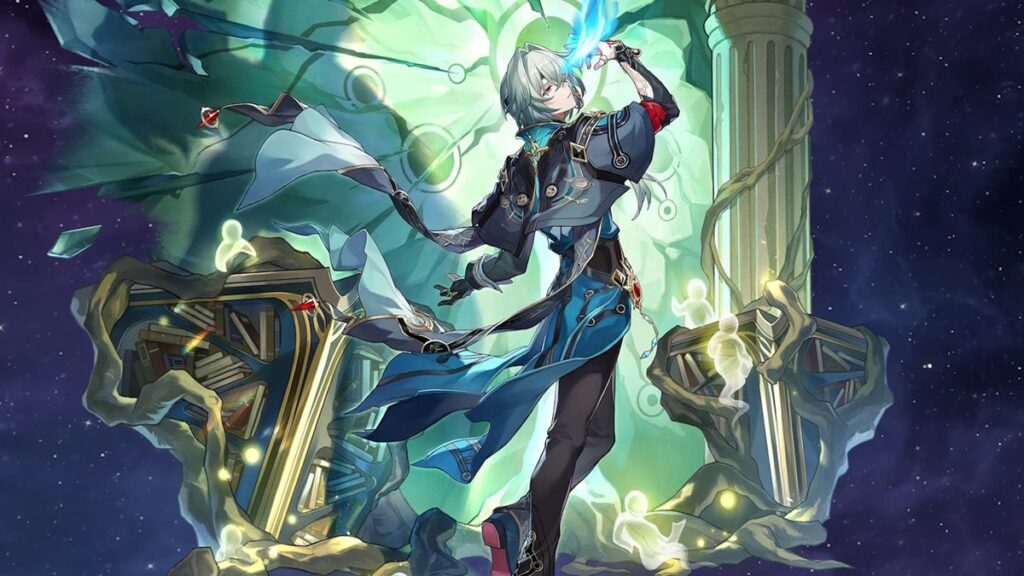
Anaxa thrives in multi-enemy scenarios and sets the standard for AoE DPS in Version 3.8. His wave-clear speed in Pure Fiction and multi-stage Memory of Chaos fights makes him incredibly valuable in content that rewards efficient crowd control damage.
What makes him S Tier is that his AoE dominance does not completely collapse in single-target situations.
Why S Tier:
• Exceptional wave-clearing capability
• High AoE damage ceiling
• Strong value in multi-enemy rotations
• Remains relevant across multiple endgame modes
Anaxa defines the AoE benchmark right now. When content favors multiple targets, he is often the first name in serious team discussions.
Evernight
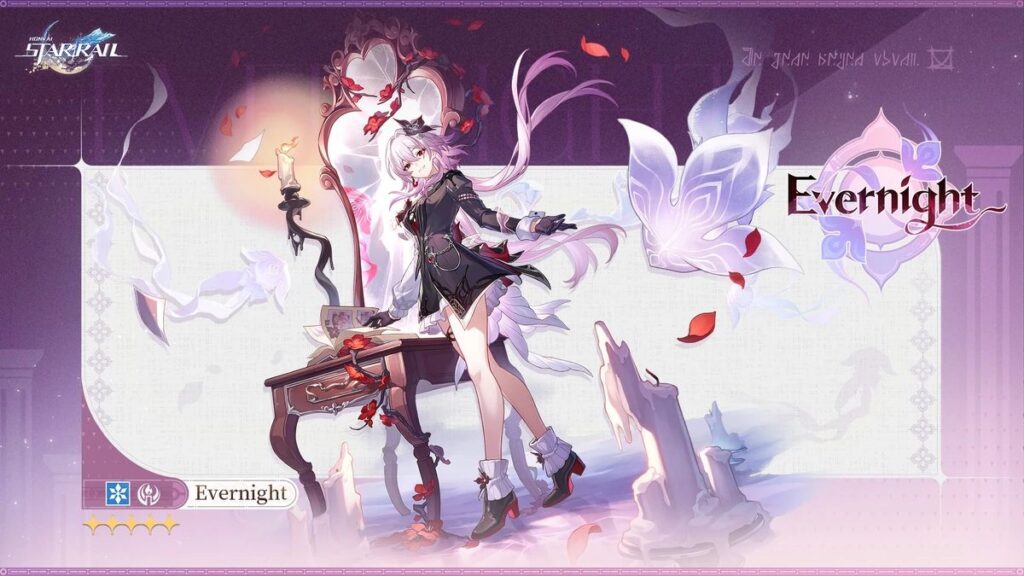
Evernight brings sustained hybrid damage that adapts smoothly across different team archetypes. Instead of relying on massive burst spikes, she maintains steady pressure that scales well over longer encounters.
She rewards clean rotations and proper team synergy without demanding extreme conditions.
Why S Tier:
• Reliable sustained damage output
• Flexible compatibility with multiple comps
• Performs well in both boss and wave content
• Strong long-term scaling with investment
Evernight remains S Tier because consistency at high output levels is one of the most valuable traits in endgame content. She does not fluctuate wildly based on matchup, which keeps her relevant across cycles.
Feixiao
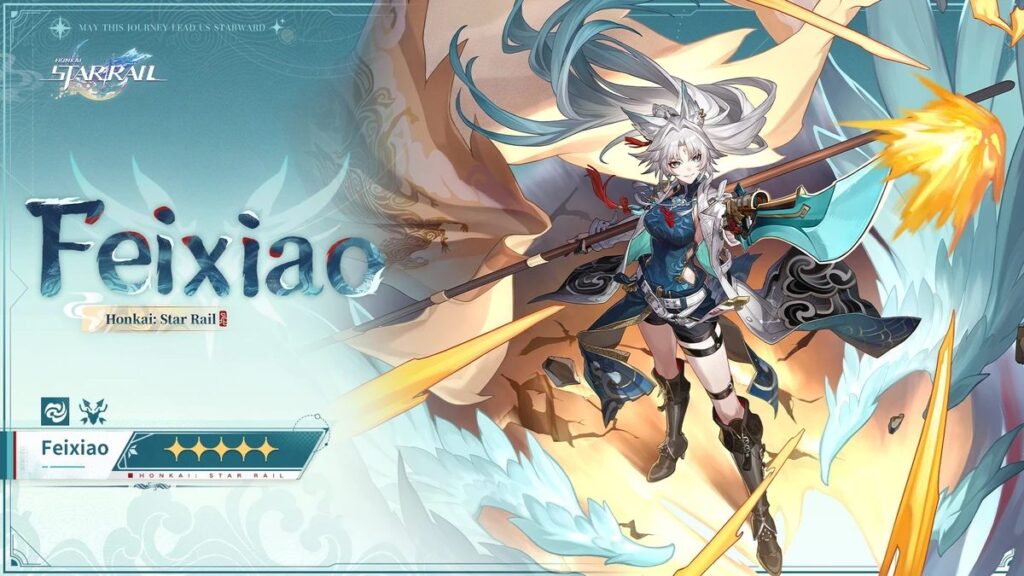
Feixiao continues to lead Wind DPS conversations thanks to her strong uptime and synergy potential. In optimized teams, her sustained damage becomes extremely efficient and difficult to outpace.
She rewards good team building but does not collapse without perfect conditions.
Why S Tier:
• High uptime damage profile
• Excellent synergy with follow-up and break comps
• Strong presence in optimized clears
• Effective across multiple content formats
Feixiao secures her S Tier placement because she combines stability with ceiling. She fits the current meta without feeling restrictive, which makes her one of the safest high-value DPS investments.
See also: Yao Guang Build Honkai Star Rail: Best Relics and Teams
A Tier: Strong Picks That Need the Right Setup
A Tier characters are powerful and fully capable of clearing endgame content, but they require more structure to hit their ceiling. The gap between A and S is not about viability. It is about consistency, flexibility, and how easily they slot into different team comps without friction.
These units can feel S Tier in the right environment. They just do not dominate every environment.
Aglaea

Aglaea delivers serious damage when properly supported. In teams that fully enable her scaling and rotation flow, her numbers compete with top-tier DPS units.
The difference is that she depends more heavily on ideal teammates to maintain peak output.
She shines in optimized comps but feels noticeably less explosive in flexible or mixed setups.
Aglaea remains A Tier because her ceiling is strong, but her floor is more conditional than true meta-defining DPS characters.
Sunday

Sunday brings stability, sustain, and supportive tools that smooth out rotations. He fits comfortably into multiple team compositions and rarely feels like a bad pick.
What keeps him in A Tier is impact.
He improves teams, but he does not dramatically raise damage ceilings or reshape archetypes the way S Tier supports do.
Sunday is safe, flexible, and dependable. He just does not tilt the meta in his favor.
Ruan Mei
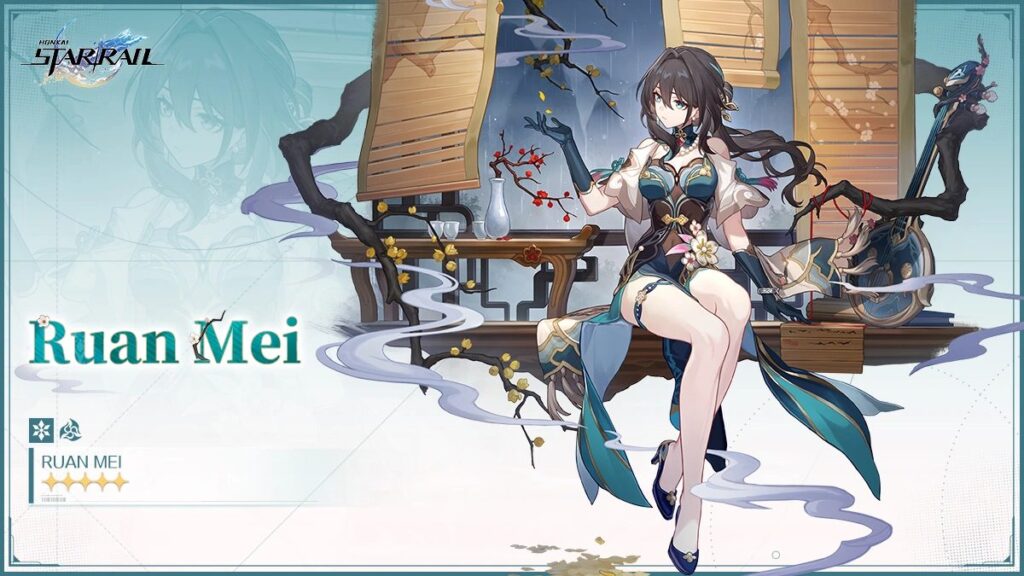
Ruan Mei is one of the strongest enablers for break-focused strategies. In teams built around weakness break efficiency, her amplification feels significant and rewarding.
Outside of those setups, her value becomes slightly more specialized.
She is still strong in general play, but her peak impact appears in comps specifically designed to maximize break synergy.
Ruan Mei sits in A Tier because she excels in structured teams, yet does not universally elevate every composition the way top-tier buffers do.
Boothill
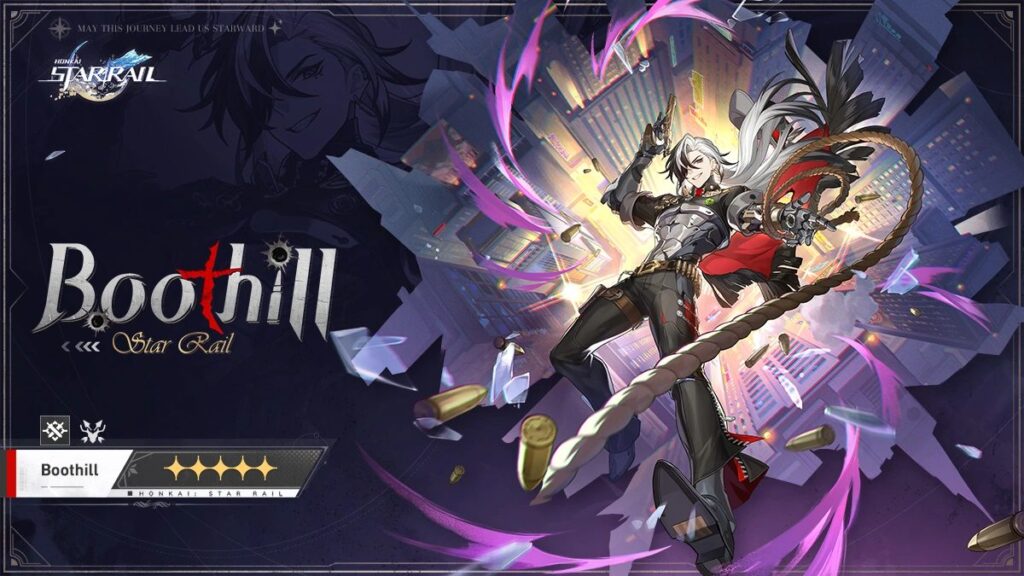
Boothill excels in single-target encounters where timing and focused damage matter. When properly enabled, he can dismantle bosses with precision.
His limitation is versatility.
In multi-enemy scenarios or AoE-focused content, his value drops compared to more flexible DPS units who handle both roles comfortably.
Boothill earns A Tier because he is deadly in the right fight, but not equally dominant in every fight.
Firefly
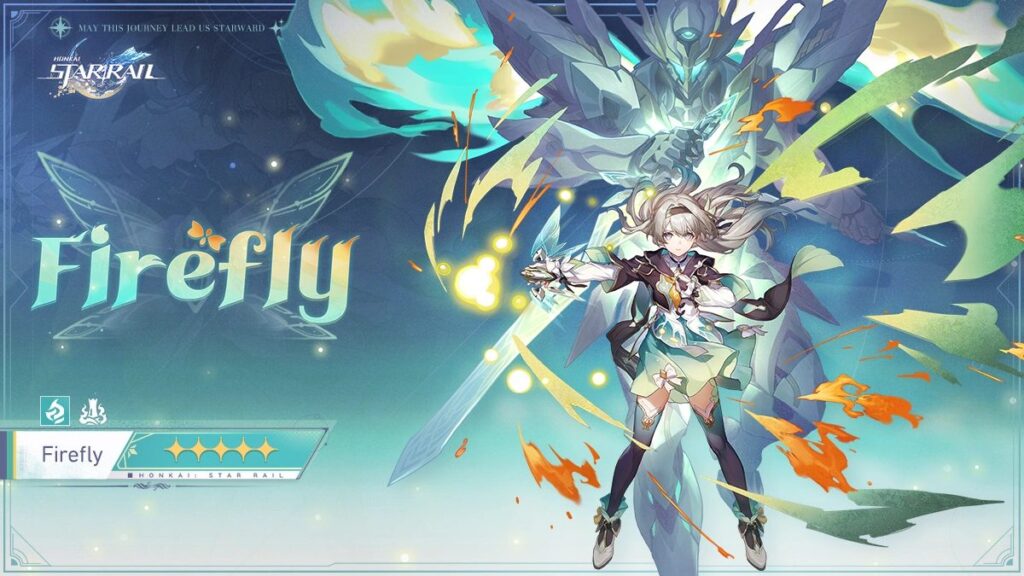
Firefly offers consistent and straightforward damage output. She fits naturally into multiple team comps and does not require extreme optimization to perform well.
That reliability makes her appealing and easy to recommend.
What keeps her in A Tier is ceiling.
While her output is stable, she does not consistently reach the damage heights or meta influence of S Tier DPS options.
Firefly is strong, efficient, and safe. She just does not redefine the meta.
See Also: Yao Guang Build Honkai Star Rail: Best Relics and Teams
B Tier: Usable, But Clearly Outpaced
B Tier characters can clear endgame content, but they demand more effort for results that stronger units achieve more comfortably. They are either more conditional, less flexible, or simply overshadowed by newer characters who perform the same role with higher efficiency.
You can win with them. You just will not win as cleanly.
Yanqing
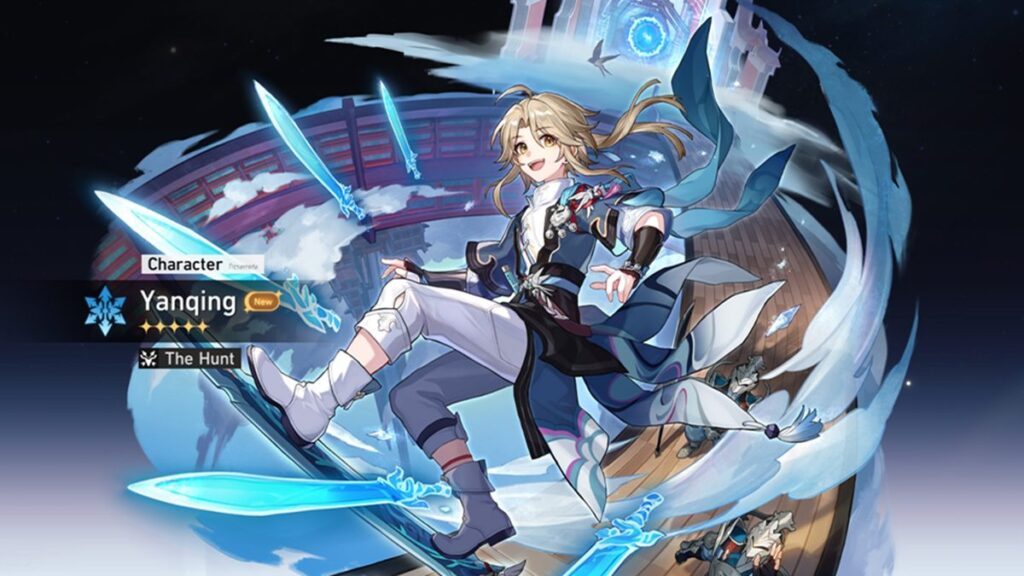
Yanqing can deliver strong single-target Ice damage when his buffs remain active and he avoids taking hits.
That condition is the problem.
In high-pressure content filled with AoE attacks and chip damage, maintaining full uptime on his buffs becomes inconsistent. Modern DPS units do not require that level of protection to function at peak output.
Yanqing lands in B Tier because his ceiling is solid, but his reliability is not.
Better Pick: Jingliu offers consistent Ice DPS without fragile buff requirements or strict protection needs.
Himeko
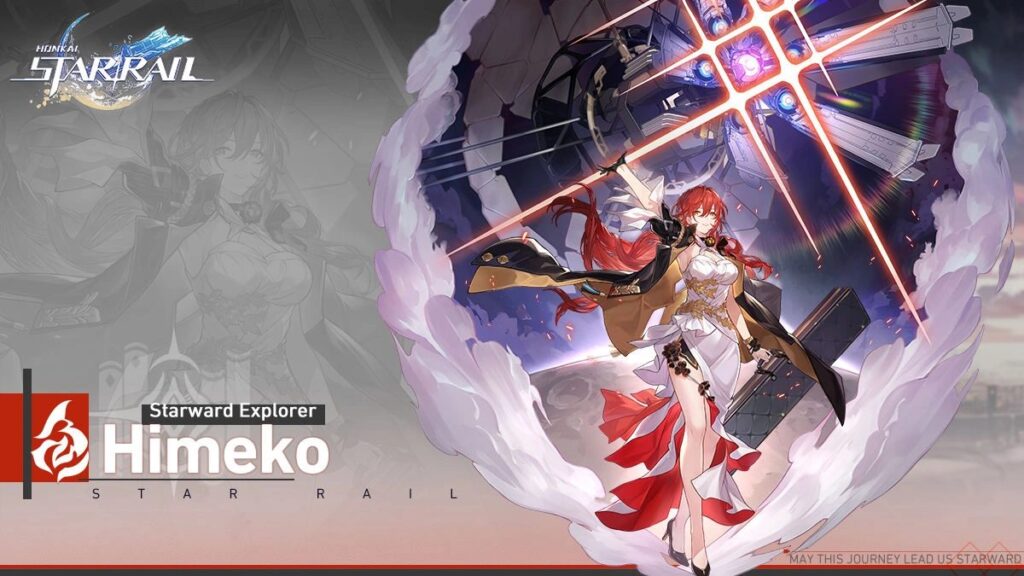
Himeko performs well in multi-enemy content where frequent weakness breaks trigger her follow-up attacks. In the right Pure Fiction cycle, she can feel strong.
The issue is mode dependency.
In boss-focused Memory of Chaos rotations where break triggers are less frequent, her output falls behind more flexible AoE DPS units.
Himeko remains B Tier because her performance shifts too heavily based on encounter design.
Better Pick: Firefly or other adaptable AoE DPS options provide more stable results across both single-target and multi-target content.
Clara
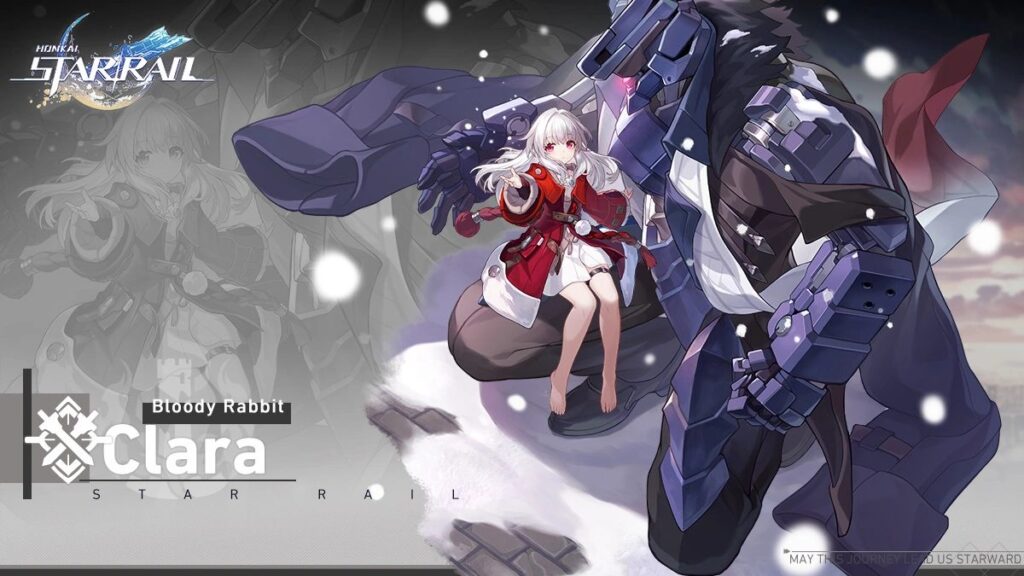
Clara provides steady counter-based damage and strong survivability. She absorbs pressure and returns consistent hits when enemies focus her.
The current meta favors proactive burst windows.
Optimized teams prioritize controlled damage spikes and faster clear pacing, which makes Clara’s reactive playstyle feel slower by comparison.
She sits in B Tier because her durability is valuable, but her tempo does not always match high-efficiency rotations.
Better Pick: Blade or other self-sustaining DPS units offer more proactive pressure without relying on enemy aggression.
Welt
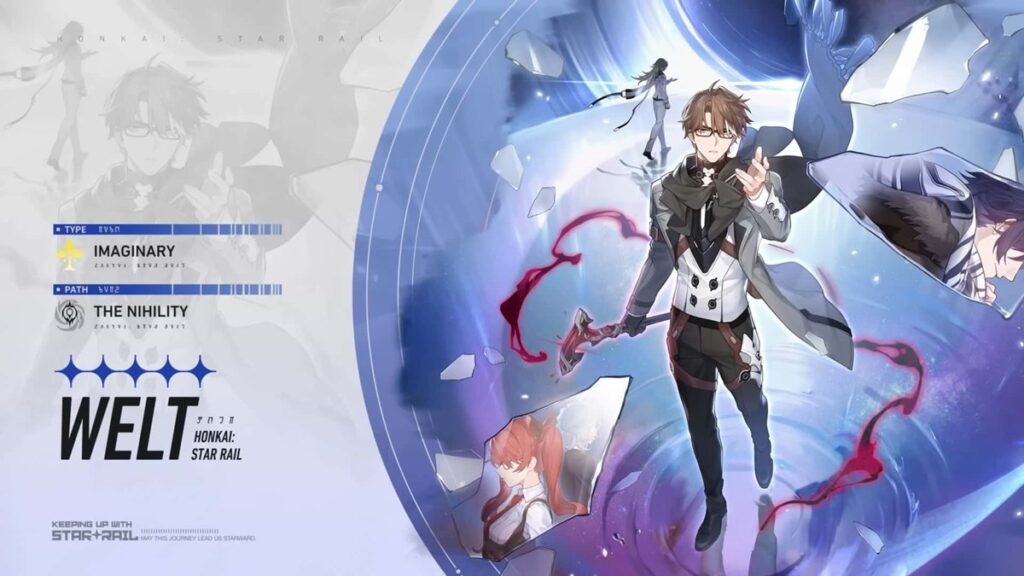
Welt brings turn delay and crowd control that can help manage dangerous enemies. In isolation, that utility has value.
Endgame content prioritizes damage amplification over control.
While his debuffs create breathing room, they rarely translate into faster clears compared to supports who directly increase team output.
Welt remains in B Tier because control-focused kits struggle to compete with raw offensive scaling in the current meta.
Better Pick: Ruan Mei or Sunday provide stronger team-wide amplification and greater impact on overall damage ceilings.
Arlan
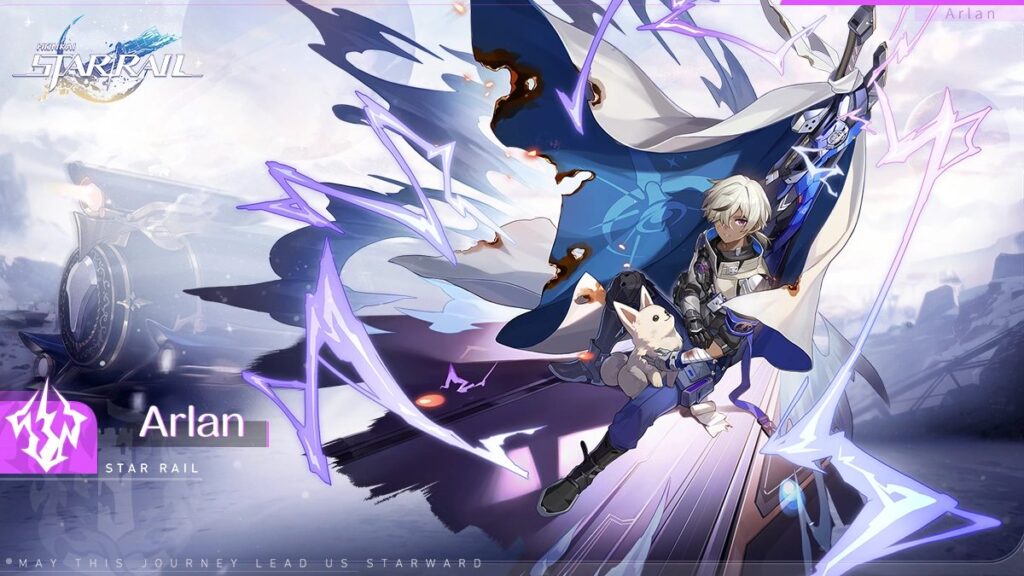
Arlan can deal meaningful damage at low HP, but his risk-reward design requires careful management and strong support to avoid collapse.
Other DPS units reach equal or higher damage without gambling survivability.
Consistency matters in optimized endgame rotations, and Arlan asks for more risk than most teams need.
He stays in B Tier because his niche profile is harder to justify when safer, more scalable options exist.
Better Pick: Aglaea or Boothill offer higher ceilings without the same survivability trade-offs.
C Tier: Outclassed or Early-Game Focused Picks
C Tier characters are not useless. They simply struggle to justify a slot in optimized endgame teams where damage efficiency, synergy layering, and clean rotations decide clear speed.
Most of these units perform fine during early progression or in very specific niche setups. The gap becomes obvious once relics are optimized, teams are structured properly, and content starts demanding tighter damage windows.
In high-end Memory of Chaos and Pure Fiction rotations, these characters require noticeably more investment to reach results that higher-tier units achieve more comfortably. They can still work if you enjoy them. From a strict meta standpoint, though, stronger and more scalable options exist for the same roles.
• Natasha
• March 7th
• Dan Heng (Base)
• Serval
• Sampo
• Hook
• Arlan (without optimal support)
• Physical Trailblazer
Why Some Characters Are Not Included in This HSR Tier List
If you are searching for a specific character and do not see them listed, there are a few reasons. Tier lists shift constantly with balance updates, new releases, evolving team archetypes, and changes in endgame content. Not every unit fits cleanly into every evaluation cycle.
Some characters may be temporarily excluded because their place in the current meta is still settling, especially newer releases whose optimal teams are not fully established yet. Others overlap heavily with higher-ranked units that perform the same role more efficiently, making separate placement less impactful in a role-focused breakdown.
There is also the question of specialization. Certain characters excel only in narrow scenarios such as specific enemy matchups or limited event formats. While they can be strong in those situations, their lack of flexibility keeps them from ranking highly in a general endgame tier list.
This HSR Tier List prioritizes performance in Memory of Chaos and Pure Fiction, where efficiency, synergy, and scaling matter most. A character that feels strong in casual play or early progression will not always translate into top-tier meta value under those conditions.
If your favorite character is missing or ranked lower than expected in this HSR Tier List, that does not mean they are bad. It simply means that in the current meta, other units deliver stronger or more consistent results in the same role.
See Also: Fortnite x Honkai Star Rail Event, Skins, and Free Rewards
Final Thoughts on the Current Meta & The HSR Tier List
At the end of the day, this HSR Tier List are a snapshot of the current meta, not a rulebook you are forced to follow. Team synergy, proper builds, and understanding your rotations will always matter more than blindly chasing rankings, especially in a game like Honkai Star Rail where strategy and resource management make a huge difference.
S Tier units give you efficiency and flexibility. A Tier units reward smart investment. B and C Tier characters can still perform if you build around them properly. The key is knowing what you are getting into before you spend your Stellar Jades.
If you are planning to pull for a top-tier DPS or finally secure that must-have support, make sure to top up Honkai Star Rail on Joytify for fast, secure, and hassle-free Oneiric Shard purchases so you never miss your next 5-star.
FAQs
Characters are ranked based on team synergy, damage compression, and rotation efficiency in endgame content. The tier list reflects the current Version 3.8 meta where these factors define dominance in challenging activities like Memory of Chaos and Pure Fiction.
The meta is constantly shifting with new character banners introducing stronger scaling options, reruns reviving forgotten team compositions, and changes to endgame content like Memory of Chaos and Pure Fiction affecting character viability.
This tier list is designed for endgame content, specifically focusing on activities like Memory of Chaos and Pure Fiction where team composition and character synergy are critical to success.
Want to Honkai Star Rail topup for the latest characters and Light Cones? Joytify offers competitive rates with instant processing for US gamers.
TL;DR
- The tier list reflects the current meta in Version 3.8, focusing on team synergy, damage compression, and rotation efficiency.
- Characters are ranked based on overall impact, flexibility, and scaling with investment, particularly in high-end modes like Memory of Chaos and Pure Fiction.
- S Tier characters dominate endgame content and require less setup, while A Tier characters are strong but need more structured teams to reach their potential.