
TL;DR
- ANANTA is set to launch worldwide on January 15, 2027, with over 17 million pre-registrations across 110 countries.
- The game features a no-gacha model, where all playable characters are unlocked through story progress and exploration instead of random draws.
- ANANTA's combat system draws inspiration from games like Arkham and Sleeping Dogs, utilizing environmental objects as weapons and emphasizing timing-based mechanics.
Disclaimer: This summary was created using Artificial Intelligence (AI)
ANANTA is not out. NetEase and developer Naked Rain locked the worldwide launch to January 15, 2027, at gamescom Opening Night Live on August 25, 2026, closing a wait that started back when this project was still called Project Mugen in 2023.
Pre-registration is open right now, sitting past 17 million sign-ups across 110 countries, and that number matters more than it looks: it tells you the combat and traversal systems below already have an audience lined up before a single public server exists.
Everything here comes from confirmed developer statements, TapTap spec sheets, and hands-on writeups from Tokyo Game Show 2025 and the gamescom 2026 reveal. Where the data runs out, we say so instead of guessing.
Quick Facts on ANANTA
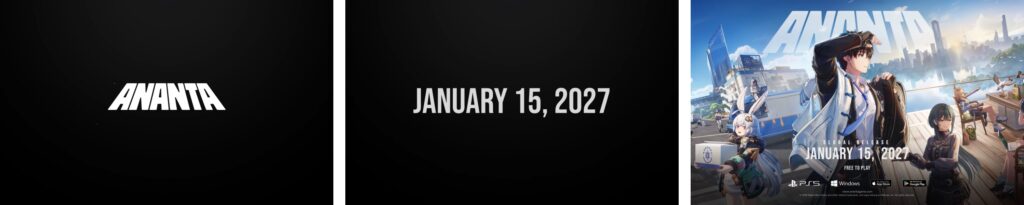
Before the mechanics, the baseline numbers every player needs pinned down:
- Developer: Naked Rain (Hangzhou, under NetEase’s Thunder Fire group), with a Montreal studio contributing to production
- Publisher: NetEase Games
- Genre: Free-to-play urban open-world action RPG
- Engine: A heavily customized build of Unity, not Unreal
- Platforms: PC (official client and Steam), PlayStation 5, iOS, Android, with no Xbox or Switch confirmed
- Release: January 15, 2027, worldwide
- Character gacha: None. Every playable agent unlocks through story progress and exploration
- Pre-registrations: 17 million-plus across 110 countries and regions
That last point is the one hardcore RPG players should sit with. A cast this size, launching without a character banner, changes how you approach build planning from hour one.
There’s no whale-gated roster to grind toward. Whatever combat identity you settle on, you build it from systems everyone has access to.

See Also: Nodusfall Revealed: HoYoverse’s Gamescom Wildcard
ANANTA Platforms, File Size, Price, and Editions
The base game is free with no announced deluxe or collector’s SKU. Pre-registration tiers on the official site hand out currency, cosmetic dyes, profile cards, and an outfit at the higher milestones, but those are launch bonuses, not a paid edition structure.
File size is where the numbers get messy, so treat this as a live spread rather than a locked figure. TapTap’s official-adjacent PC listing puts minimum storage at 40 GB and recommended at 100 GB for the high-texture target.

An early 2024-era build leaked a figure north of 230 GB, and that screenshot has since been traced to an outdated internal client, not anything close to a shipping build.
More recent 2026 community estimates land closer to an 80 GB compressed download and roughly 104 GB installed on PC, with the iOS client sitting around 40 GB. Budget for a large SSD regardless of which number ends up accurate.
PC specs, per TapTap:
- Minimum: Windows 10 64-bit, Intel i5-9400F or Ryzen 7 3700X, GTX 1060 6GB, 16 GB RAM, 40 GB storage
- Recommended: Intel i7-12700K or Ryzen 9 9900X, RTX 3080, 32 GB RAM, 100 GB storage
The gap between those two tiers is wide even by open-world standards, and it lines up with what the team has said about running one visual target across PC, PS5, and mobile instead of shipping a stripped-down mobile version.
Combat Engine and Skill Trees in ANANTA
This is the section that decides if ANANTA earns a spot in a hardcore rotation or gets shelved after the honeymoon week.
How Combat Distinguishes ANANTA from Other Action RPGs
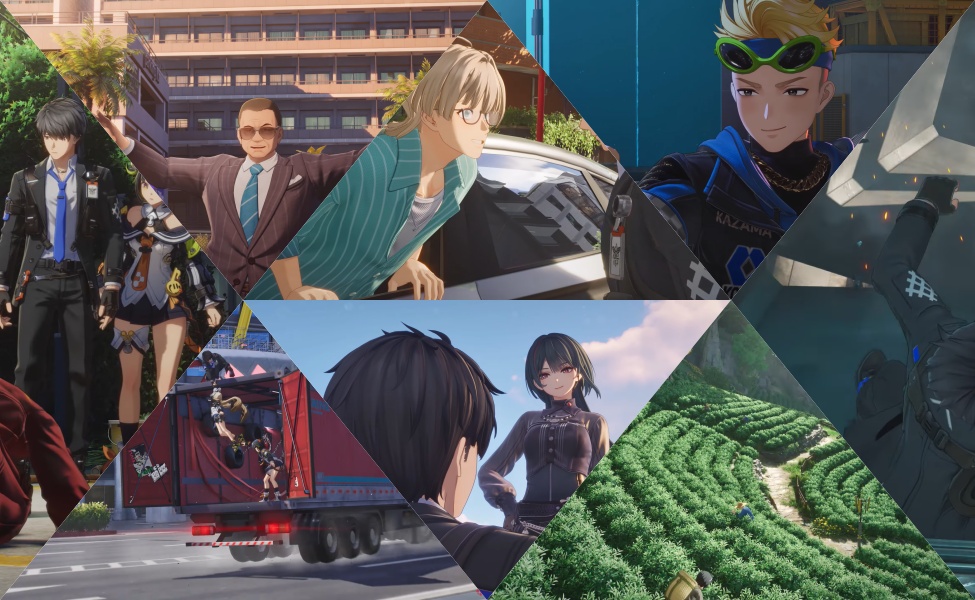
ANANTA runs on Unity, which is unusual for a city this dense, and the combat identity it’s chasing pulls from timing-based punches and counters closer to Arkham and Sleeping Dogs than to a stamina-gated soulslike.
Hands-on writers at TGS 2025 described a build where environmental objects, chairs, trash bins, golf clubs, even parked cars, function as usable weapons mid-fight, and enemies can be disarmed and their own tools turned against them. That’s a design choice that rewards reading the environment before a fight starts, not just reacting to a telegraph once you’re already in the animation.
The catch reported by multiple previewers: because so many face buttons and triggers are already claimed by traversal, grappling, and vehicle switching, combat inputs can feel cramped.
If ANANTA ships with animation cancels or a parry window tight enough to reward frame-perfect execution, that input crowding is the first thing a hardcore build has to work around, and it’s the detail we’d want confirmed in the next closed beta before committing to a control scheme.
Early-Game Weapons and Skill Node Utility
There’s no public skill tree screenshot or stat sheet yet, so any specific node names or multipliers would be invented.
What’s confirmed instead: the roster of martial arts styles teased for Chongxiao includes Shaolin-rooted kung fu and blade techniques, taught by NPC masters scattered through the city rather than handed out on a linear quest chain.
That’s a structure familiar to anyone who has farmed a hidden dojo NPC in an open-world RPG for a single combo unlock, and it suggests early builds will reward exploration-first players over people rushing the main story chain.
Character switching is the bigger mechanical lever here. Multiple playable agents, Captain, Taffy, Richie, Seymour, and more still unconfirmed, each carry a different traversal tool and combat approach.
Taffy’s mallet-that-becomes-a-bike is the clearest example on record. Treat the early game less like picking one build and committing, and more like rotating through a small squad where each character covers a gap the others leave open, similar to how a four-person raid comp splits utility instead of stacking one role.
Resource Routing: Stamina, Mana, and the Attention Economy
Traditional resource management gets replaced here by something new: current descriptions confirm no stamina cost on movement, meaning sprinting, climbing, and swinging between rooftops don’t burn a meter the way they would in most open-world action RPGs.
That removes one of the classic early-game routing puzzles, since there’s no stamina bar to plan a rooftop chase around.
What takes its place is the influence loop. Missions, livestreamed crises, and city bounties feed a reputation resource that unlocks perks, story access, and new mechanics as it grows.
If that system behaves the way a stat gate normally does, expect an early meta built around which activities generate the fastest return on attention rather than which grind farms the most experience.
We won’t know the actual scaling until the game is in more hands, and we’re not going to invent multipliers to fill that gap.
See Also: Valorant Duelist Guide: Entry, Space, and the 13.04 Meta
Two Launch Cities and Character Switching in ANANTA
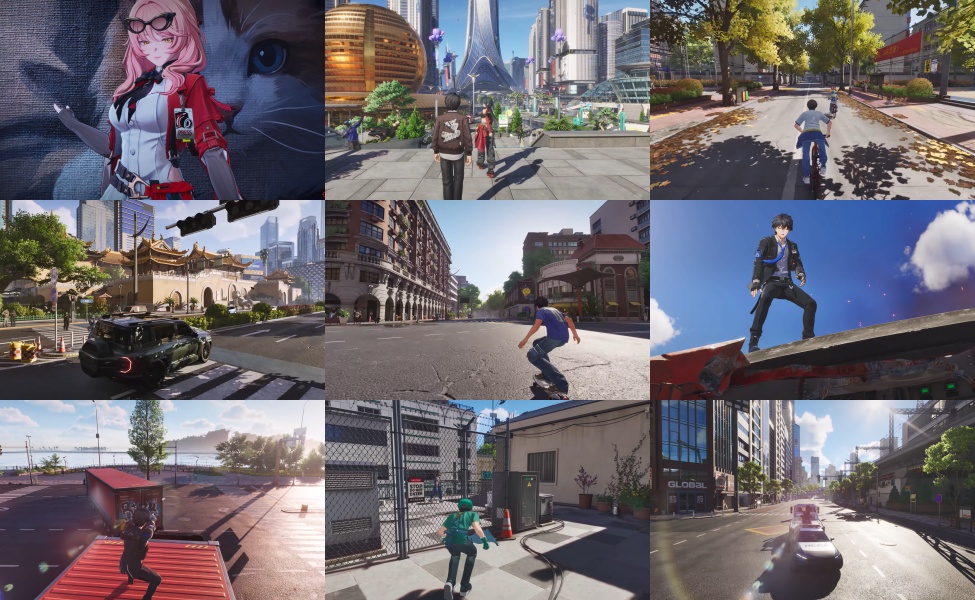
Nova City anchors the game at launch: a coastal, neon-heavy metropolis with beaches, amusement districts, and back alleys, and the setting for most footage released between 2024 and 2025.

Chongxiao, revealed alongside the January 2027 date, pulls its geography from Shanghai and Hangzhou, with named landmarks like the Oriental Tower and West Lake built into the map rather than treated as backdrop art.
The story reason for the second city matters mechanically: the Captain loses a mid-story confrontation and retreats from Nova to hometown territory in Chongxiao, which is also where the new vertical traversal tools show up, flying cars, hang gliders, and water-based transport, alongside street-level options like bikes and skateboards.
Combat in Chongxiao layers in the Eastern martial arts styles mentioned above on top of whatever kit players already built in Nova, so the two cities aren’t a reskin of each other. They’re framed as distinct rulesets for movement and combat that stack rather than reset.
See Also: 2XKO Is Ending Active Development, What Comes Next?
Monetization Breakdown: No Gacha, but Watch the Shop
Producer Ash Qi has been direct about the design reasoning here in Famitsu interviews: locking new playable characters behind a gacha banner would clash with a game built around switching identities freely, and it would starve older cast members of player attention once a new banner drops. Every agent in ANANTA gets unlocked through story progress and exploration instead.
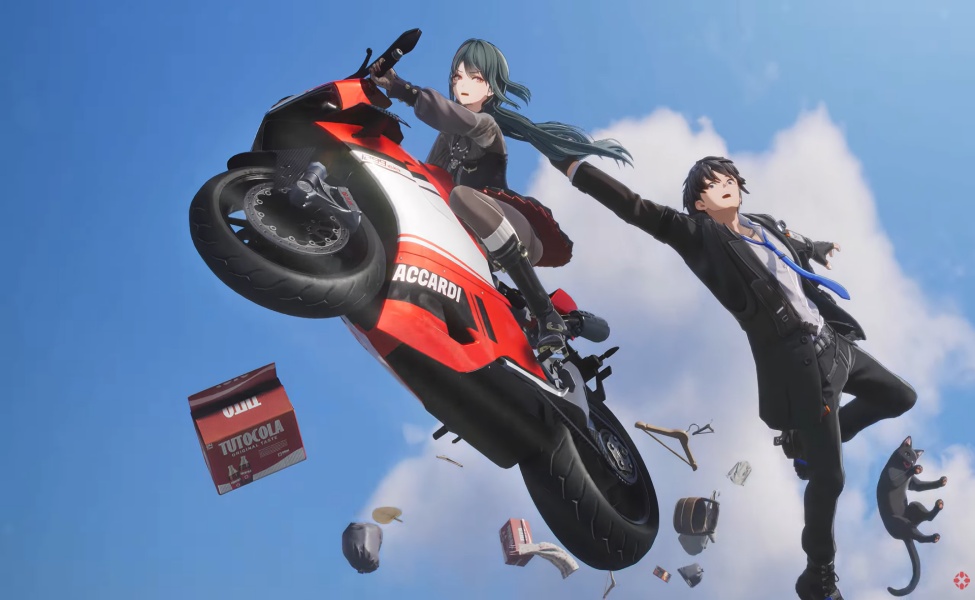
The paid layer sits entirely in cosmetics: outfits, vehicle skins, and housing or furniture items, much of which is also purchasable with in-game currency rather than cash exclusively. A season pass has been described as “under consideration,” not confirmed.
The claim worth tracking past launch is if combat power stays fully earnable the way character access already is, since cosmetic-only monetization and pay-to-win power creep are two very different outcomes hiding behind the same “no gacha” headline.
Hands-On Verdict from Tokyo Game Show 2025
Outlets that played roughly 20 to 30 minutes of a PC build, including PC Gamer, Push Square, and Shacknews, landed in a similar place.
The traversal and city density read as real rather than trailer-only polish, and combining swinging, driving, and brawling inside one short session produced the kind of momentum previewers don’t usually credit to a pre-launch demo.
Frame dips and bugs during those sessions were actually read as a good sign: it meant the build was live code, not a canned showcase reel.
The reservations followed a pattern too. Combat inputs can feel cramped against the traversal-heavy control scheme, the genre-blending pulls comparisons to Spider-Man 2, GTA V, and Uncharted so directly that some previewers questioned if ANANTA has its own identity yet, and thirty minutes isn’t enough time to judge if the city stays interesting forty hours in.
That’s the same open question we’re flagging for the skill-tree and combat-tuning sections above: the raw materials are there, and the systems depth is still unverified outside a demo booth.
See Also: AFK Journey x Digimon: Digivolution Meta & Crossover Breakdown
ANANTA isn’t out, and the only evidence that will settle the animation-theft debate, the combat pacing question, and the actual stat scaling behind that skill tree is the January 15, 2027 client itself, not another trailer.
Wishlist it on Steam or PlayStation, pre-register on mobile if you want the launch cosmetics, and go in expecting a large install regardless of which file-size figure turns out accurate.
When the next test drops, drop your early build plans in the comments, tell us which of the confirmed agents you’re planning to lead with, and if you’ve already caught the TGS 2025 demo, we want the real read on how tight that combat input crowding actually felt in your hands.
FAQs
ANANTA is set to launch worldwide on January 15, 2027. This date was officially announced by NetEase and developer Naked Rain at gamescom Opening Night Live on August 25, 2026.
Pre-registration for ANANTA has surpassed 17 million sign-ups across 110 countries. Players can still sign up ahead of the January 2027 launch.
ANANTA was originally known as Project Mugen when it was first introduced in 2023. The project was later rebranded to its current name as development progressed toward its global release.
TL;DR
- ANANTA is set to launch worldwide on January 15, 2027, with over 17 million pre-registrations across 110 countries.
- The game features a no-gacha model, where all playable characters are unlocked through story progress and exploration instead of random draws.
- ANANTA's combat system draws inspiration from games like Arkham and Sleeping Dogs, utilizing environmental objects as weapons and emphasizing timing-based mechanics.