
TL;DR
- Release date, platforms and editions: Star Wars Zero Company launches August 27, 2026 on PC (Steam, Epic, EA App), PS5 and Xbox Series X/S with simultaneous global unlock; three editions — Standard ($49.99 PC / $59.99 console), Deluxe (digital only, $59.99 PC / $69.99 console) and a $299.99 Collector's Edition — and preorder cosmetic bonuses that do not affect combat.
- Setting and story: a 20 BBY Clone Wars 'war beneath the war' centered on Hawks, a disgraced ex‑Grand Army captain, fighting the Infinite Coil and the Shadow Plague from a mercenary base (The Den); the campaign spans ~30–40 hours, includes ~150 mission nodes, authored characters (e.g., a Tognath Padawan, a Mandalorian) and permadeath (toggleable) with Hawks' death failing the mission.
- Core tactical systems: a three‑action‑point economy per Operator for movement/attacks/abilities with full flexibility, destructible cover, transparent hit‑chance UI, adjustable Overwatch cones, and the shared Advantage resource (fills to 10 from landed hits) that powers free, non‑AP finishing abilities.
Disclaimer: This summary was created using Artificial Intelligence (AI)
Star Wars Zero Company (some players still type it as “Star Wars Zero Phantom” when they search, which tells you how little marketing noise has actually reached casual fans) is closing in on its August 27, 2026 release, and the tactics community has spent the last few weeks picking apart every preview build that outlets have gotten their hands on.
Bit Reactor, staffed with roughly twenty former Firaxis developers who built the modern XCOM games and Marvel’s Midnight Suns, is not hiding where its instincts come from.
What’s worth examining is whether those instincts translate into a system with enough depth to survive a 30 to 40 hour campaign, or whether Zero Company ends up as XCOM in different armor.
Star Wars Zero Company Release Date, Platforms, and Pricing
The date has held since it was announced at Summer Game Fest on June 5: August 27, 2026, on PC (Steam, Epic Games Store, EA App), PlayStation 5, and Xbox Series X/S, with a simultaneous global unlock at 8 AM PT.

No last-gen consoles, no early access window on any edition, and no staggered regional rollout, aside from the usual quirk where players in Japan, Australia, and New Zealand technically start just after midnight local time on the 28th because of how the time zones fall against a Pacific unlock.
Three editions are on the table. The Standard Edition runs $49.99 on PC and $59.99 on console, and includes the Crystalline Astromech Cosmetic Pack for anyone who pre-orders.
The Deluxe Edition sits at $59.99 on PC and $69.99 on console, digital only, adding the Grand Army of the Republic pack, the Shadow Collective pack, and five painted weapon themes on top of everything in Standard.
A $299.99 Collector’s Edition adds a variant Black Series electronic thermal detonator replica, a SteelBook, a desk mat, and a foil-stamped box, with orders closing on August 23.
None of the cosmetic tiers touch combat balance, which matters more than it sounds like it should. Every Operator starts on equal footing regardless of what you paid.
See Also: EWC PUBG Mobile 2026: Schedule, Teams, Prize & More
Story, Setting, and New Canon Elements
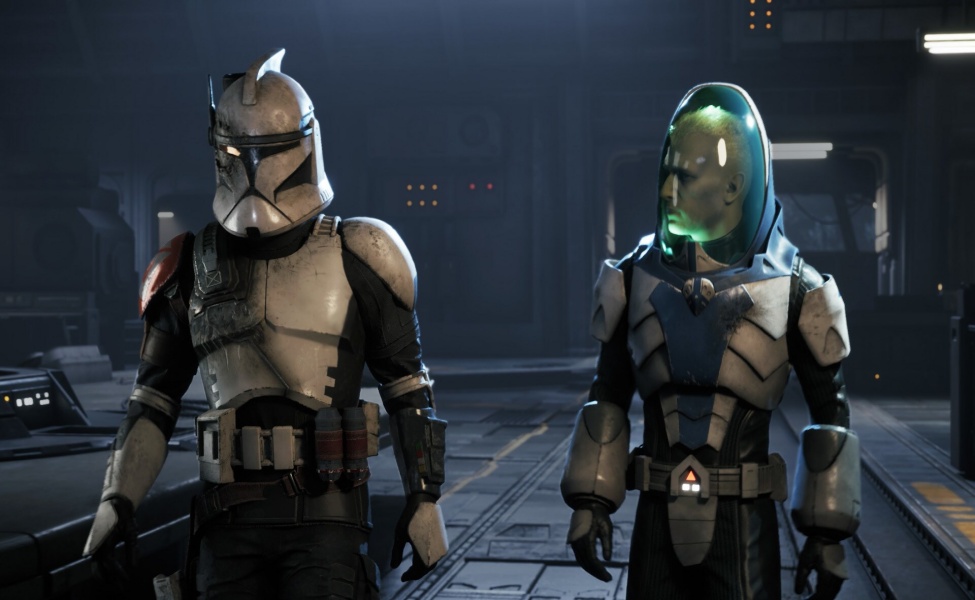
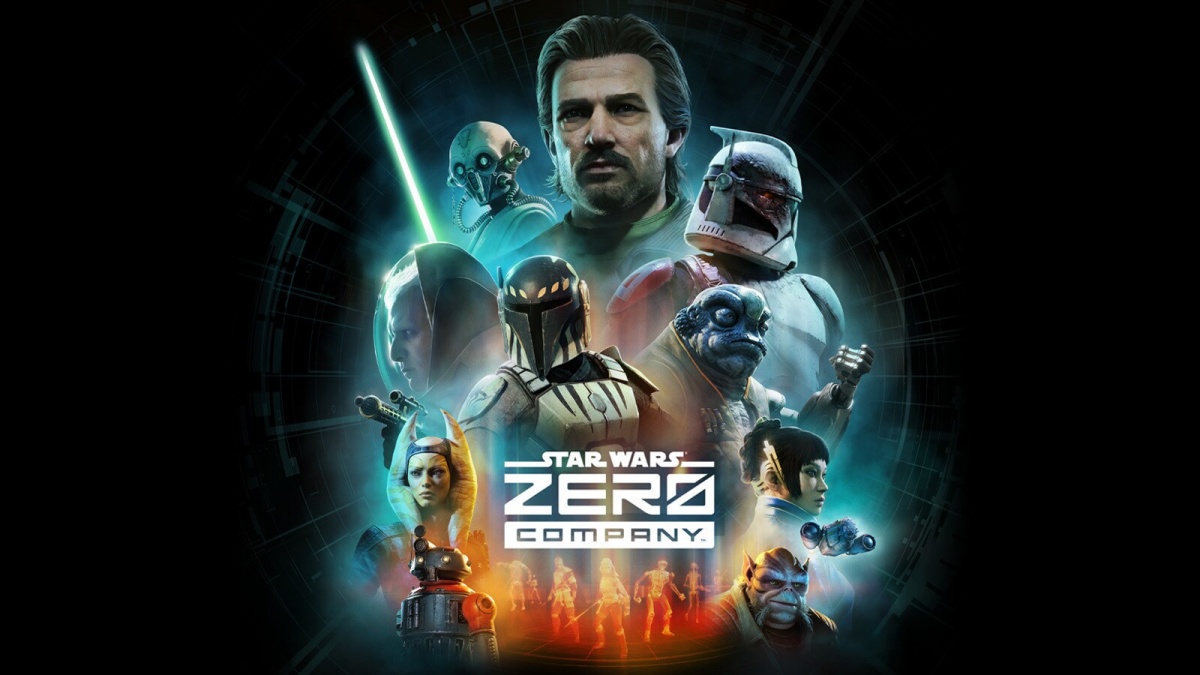
Zero Company sets its campaign around 20 BBY, in the final stretch of the Clone Wars, and it deliberately avoids the frontline spectacle that most Star Wars games chase.
This is a “war beneath the war.” You play Hawks, a disgraced former Grand Army captain buried in debt to the Hutts, who assembles an off-books mercenary unit operating out of The Den, a hangar base on the Ring of Kafrene from Rogue One.

The enemy faction, the Infinite Coil, is led by a strategist named Kundri Fathom and is built around something called the Shadow Plague, a disease that grants infected fanatics enhanced strength and resilience while stripping away whatever made them people first.
That’s a more grounded threat model than the genre usually reaches for, and it gives the tactical layer a narrative excuse for stat-boosted, aggressive enemy types instead of leaning on generic difficulty scaling.
Writer Aaron Contreras, who worked on the Jedi games, handled the script, and the team has said they leaned on The Clone Wars animated series, Andor, and Rogue One for tone, plus The Dirty Dozen for the misfit-squad structure.
Anakin Skywalker shows up across a multi-part mission arc. The galaxy map covers more than 150 planets, though that number reflects mission and operation nodes rather than fully explorable open worlds, and the roster pulls from ex-Separatists, clones, a Jedi Padawan, and a Mandalorian all sharing bunk space at The Den.
Bit Reactor has said permadeath was contested internally during development but kept in because, in their words, loss is part of what the setting is about.
See Also: Zelda: Ocarina of Time Remake, What’s Confirmed vs. Rumored
Evaluating The Action Point Economy in Star Wars Zero Company
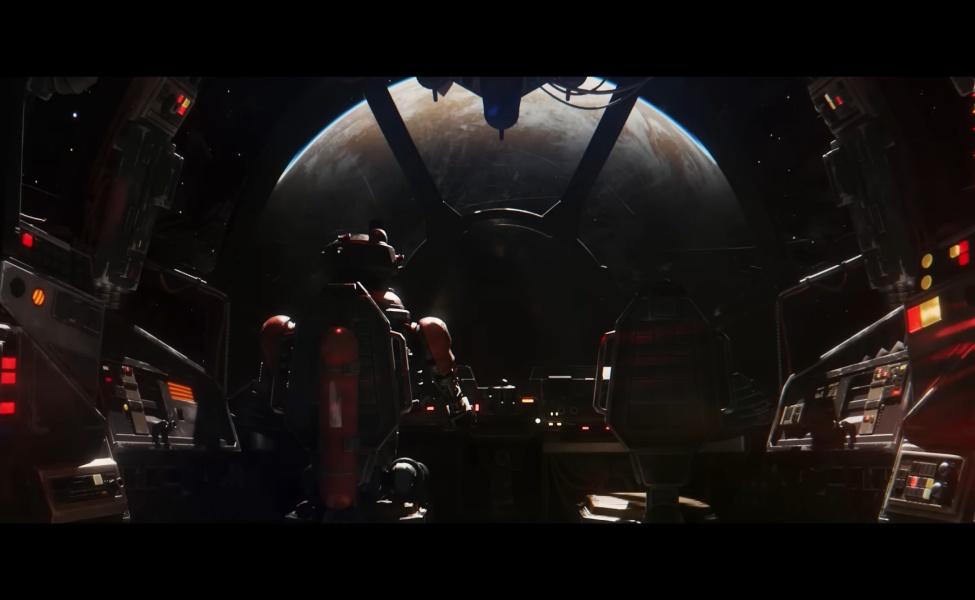
Every Operator gets three action points per turn, and those points can go toward movement, an attack, an ability, or Overwatch in whatever order you want. That flexibility is the whole game.
A three-AP budget with no forced move-then-shoot sequencing means you can burn all three points closing distance for a flank, or hold two in reserve for a reactive ability after seeing how the enemy turn plays out.
Compare that to a rigid two-action system and the difference shows up immediately in how aggressively you’re willing to push a squad member out of cover.
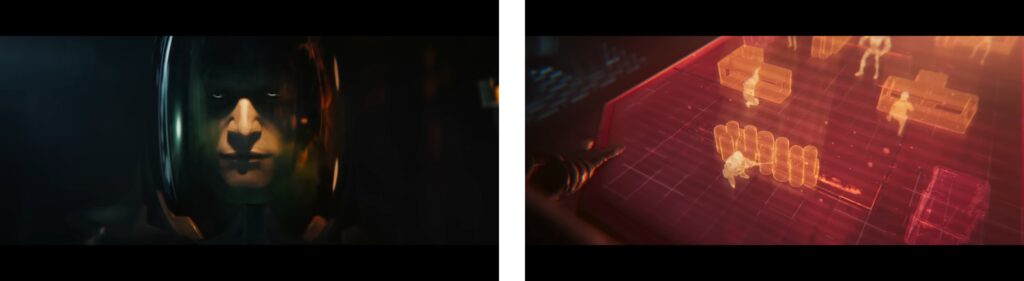
Cover itself is destructible and matters the way it should in this genre. Half cover and full cover carry distinct to-hit penalties for anyone shooting at you, flanking removes cover bonuses entirely, and high ground adds its own accuracy swing.
Hit chance is shown as a transparent percentage breakdown before you commit, which won’t stop the 82 percent shot from whiffing at the worst possible moment, but at least you’ll know exactly what you signed up for when it does.
The system that actually separates Zero Company from a straight XCOM clone is Advantage, a shared squad resource that fills up to a maximum of 10 as your Operators land hits.
Advantage spends on powerful abilities that don’t cost action points, which means a well-executed opening volley can chain directly into a free finishing move instead of waiting for next turn.
Overwatch cones are adjustable rather than a blanket 180-degree watch, so you can angle your reactive fire toward the exact approach lane the enemy AI is likely to take, based on where you left your squad exposed.
There’s no traditional fog of war, but that doesn’t flatten the tactical decisions the way it might sound. Positioning, line of sight, and cover angles still decide whether a mission goes smoothly or turns into a scramble to rotate a bleeding-out squadmate off the front line.

Injuries stack, and three injuries typically means permadeath on standard difficulty for anyone who isn’t Hawks. Lose Hawks and the mission fails outright, which puts a very specific kind of pressure on how far forward you’re willing to push your protagonist.
A Memorial tracks every Operator you lose along the way, and permadeath itself can be turned off entirely if you’d rather build attachment to your roster without the risk of losing them for good.
A Complete Class Synergy Breakdown for Ironman Runs
Custom Operators pick from eight specializations: Assault, Gunslinger, Heavy, Medic, Scoundrel, Scout, Sharpshooter, and Soldier.
Each one carries its own ultimate ability, a standard active skill, and a passive, and Focus Points earned through squad Bonds let you respec or cross-train an Operator into a second specialization over time.

That cross-training system is where the squad-building depth actually lives. A Sharpshooter who picks up Medic passives through a Bond with a support-focused teammate stops being a pure damage slot and becomes someone you can risk pushing further forward.
The authored roster carries a handful of exclusive classes you can’t recreate through customization, and they’re worth planning missions around rather than treating as flavor.
Tel-Rea Vokoss, a Tognath Jedi Padawan, runs dual lightsabers and Force abilities that make her a priority protection target rather than a frontline brawler you throw at every fight.
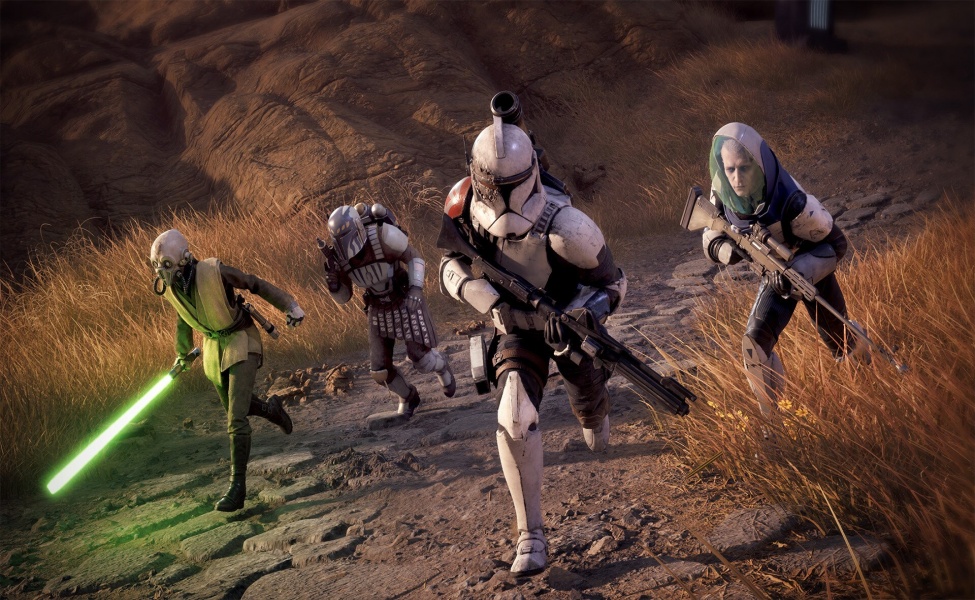
Cly Kullervo, a Mandalorian from Clan Verminoth, gets jetpack mobility that solves vertical positioning problems no other class touches. Trick, the clone trooper who’s been at Hawks’ side from the start, and Luco Bronc, an Umbaran sniper with a Separatist background, round out a roster clearly built so that no two Operators solve a mission the same way.
Astromechs function as their own support category, carrying multiple utility slots for explosives and battlefield tech rather than fitting into the eight standard specializations.
Bonds between Operators unlock cross-training passives when two characters work missions together often enough, which is the game’s way of rewarding you for running a consistent squad instead of rotating in whoever’s uninjured that cycle.
Between missions, the Personnel screen at The Den holds a Focus Tree for managing all of this, alongside recruitment, an armory split across four weapon classes plus mods, roster capacity that starts at seven and expands past twenty, and a medbay for anyone limping back from a bad extraction.
See Also: PS Plus Free Games August 2026: Big Walk Leads
How the Overwatch Mechanics and Enemy AI Alter Grid Positioning
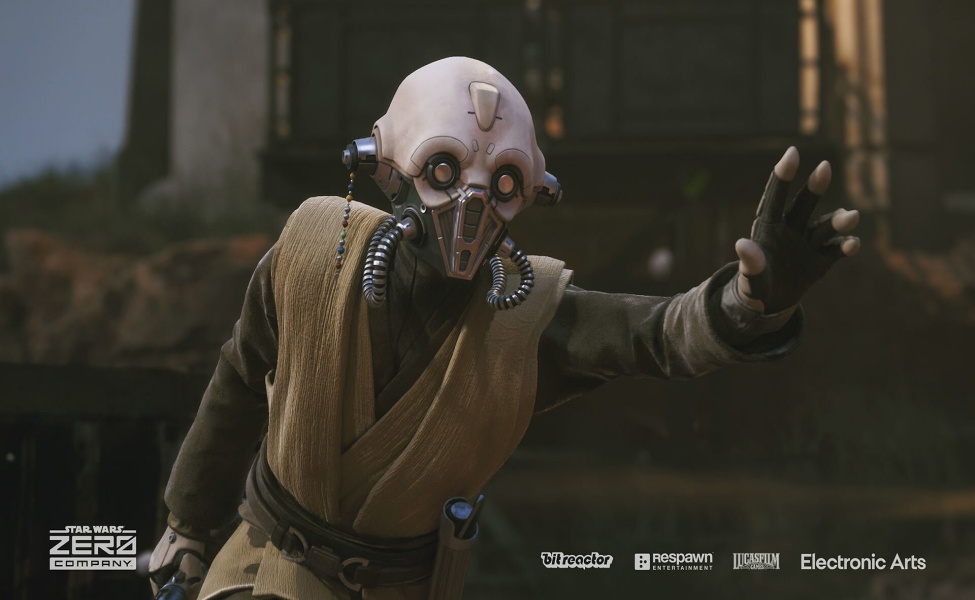
The Infinite Coil doesn’t sit static waiting to be flanked. The faction evolves across the campaign, upgrading enemy types on each cycle unless you complete specific crisis missions to block those upgrades.
That turns strategic layer decisions, which missions you take and which you skip, into direct control over what you’ll be fighting three cycles later. Skip too many crisis missions chasing loot or recruitment and you’ll find the Coil’s roster has outpaced your squad’s growth.
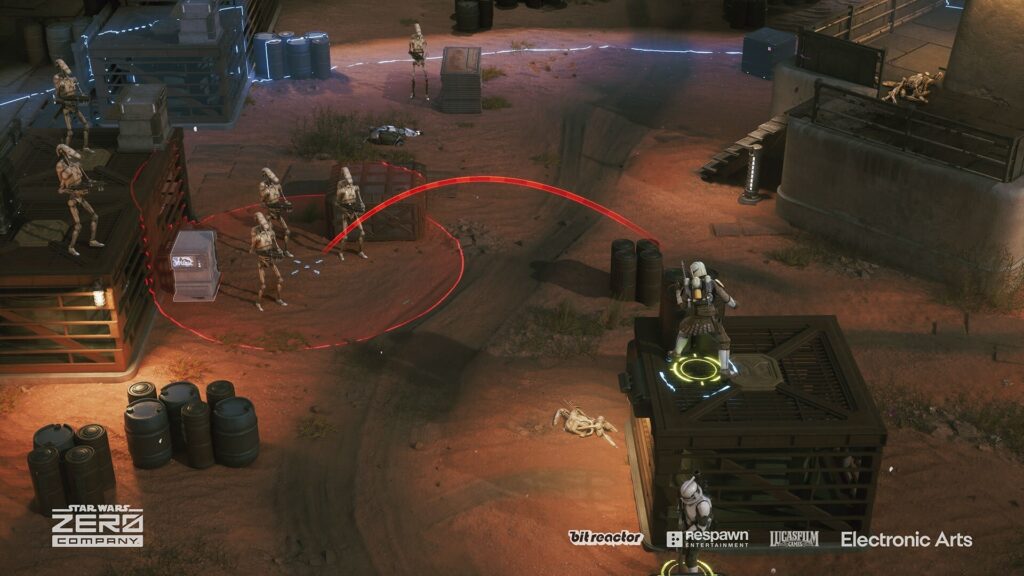
On the grid itself, enemy AI reacts to exposed flanks and adjustable Overwatch the same way a competent human opponent would.
Leaving a squadmate in half cover instead of full cover isn’t a minor inefficiency, it’s an invitation, and previews describing the mid-mission tension of a squad member caught out of position echo exactly the anxiety longtime tactics players know from XCOM’s Chosen encounters or Midnight Suns’ harder difficulty tiers.
The difference here is Star Wars-specific texture: heavy repeating blaster suppression arcs, Force-push abilities that can shove enemies off elevated platforms entirely, and jetpack repositioning that opens flanking angles a purely ground-based squad could never reach.
Star Wars Zero Company Pricing & Editions, Recapped
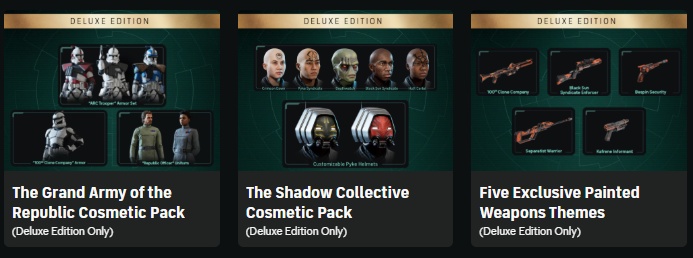
To keep this in one place: Standard runs $49.99 PC, $59.99 console. Deluxe runs $59.99 PC, $69.99 console, digital only, and adds two cosmetic packs plus five weapon skins.
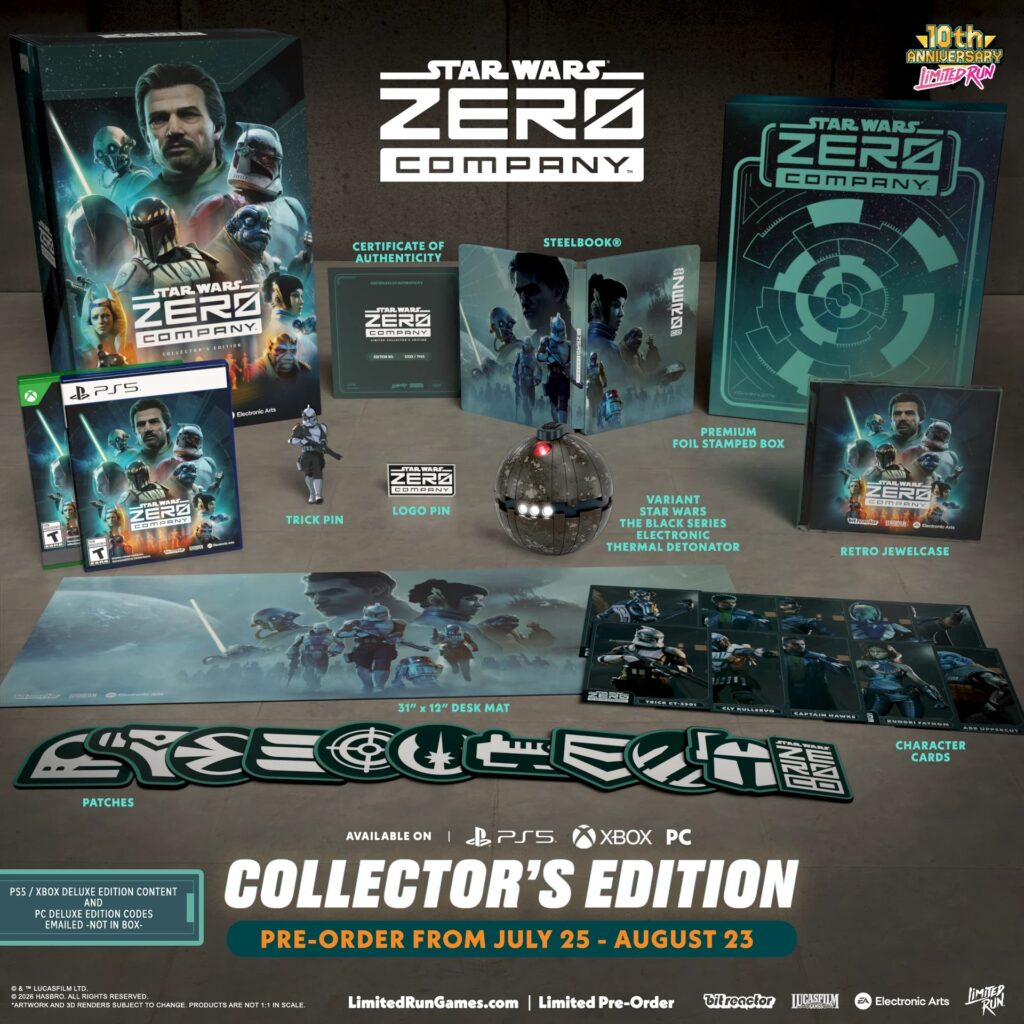
The Collector’s Edition runs $299.99 across all platforms and closes pre-orders on August 23, with a physical game copy shipped to console buyers.
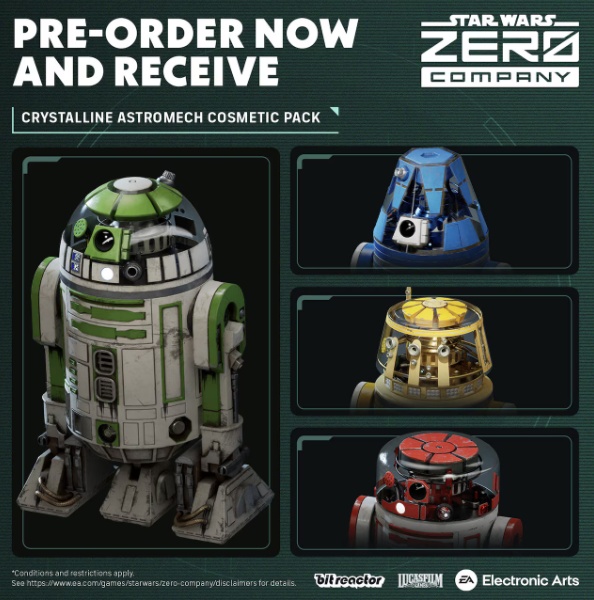
Every edition includes the Crystalline Astromech Cosmetic Pack at pre-order, and none of the cosmetic content shifts combat stats.
What Early Previews are Saying
Outlets that spent ten or more hours with near-final builds, including Game Informer and a run of hands-on previews across the gaming press, keep landing on the same framing: Zero Company earns comparisons to XCOM but distinguishes itself through squad relationships, cinematic presentation, and a Clone Wars story that carries more narrative weight than the genre usually bothers with.
The recurring critique isn’t structural, it’s the same one every XCOM-adjacent game inherits: a high hit-chance shot missing at the worst moment is still going to happen, and if that specific flavor of heartbreak isn’t your thing, no amount of squad customization will fix it for you.
See Also: Umamusume Pretty Derby Codes: August 2026 Status
Star Wars Zero Company or Star Wars Zero Phantom if that’s how it got into your search history looks to be one of the more mechanically ambitious Star Wars games in years, with a studio with nothing to prove about tactics design and everything to prove about doing that in this particular setting.
The AP economy rewards aggression without punishing caution, the Advantage system gives squads a reason to chain hits instead of playing it safe every turn, and the class trees leave enough room for genuinely different squad compositions across a 30 to 40 hour campaign.
We want to hear how your first squad shapes up once you’re in. Drop your Operator builds, your worst 95 percent miss, and whichever Bond pairing turned into your run’s MVP combo in the comments. If you’re going in on Ironman, tell us who you’re most afraid of losing first.
FAQs
The game is confirmed to launch on August 27, 2026. Despite limited marketing reach, the tactics community has already been analyzing early preview builds ahead of that date.
The game uses a tactical grid-based system, which has been a major point of discussion among the tactics community following previews. Outlets have shared early build footage that gives a detailed look at how the grid mechanics function in combat.
Some casual fans have been searching for the game using incorrect names like Star Wars Zero Phantom, which suggests the marketing campaign has not yet built strong widespread awareness. This disconnect highlights how the game remains largely under the radar outside of dedicated tactics communities.
TL;DR
- Release date, platforms and editions: Star Wars Zero Company launches August 27, 2026 on PC (Steam, Epic, EA App), PS5 and Xbox Series X/S with simultaneous global unlock; three editions — Standard ($49.99 PC / $59.99 console), Deluxe (digital only, $59.99 PC / $69.99 console) and a $299.99 Collector's Edition — and preorder cosmetic bonuses that do not affect combat.
- Setting and story: a 20 BBY Clone Wars 'war beneath the war' centered on Hawks, a disgraced ex‑Grand Army captain, fighting the Infinite Coil and the Shadow Plague from a mercenary base (The Den); the campaign spans ~30–40 hours, includes ~150 mission nodes, authored characters (e.g., a Tognath Padawan, a Mandalorian) and permadeath (toggleable) with Hawks' death failing the mission.
- Core tactical systems: a three‑action‑point economy per Operator for movement/attacks/abilities with full flexibility, destructible cover, transparent hit‑chance UI, adjustable Overwatch cones, and the shared Advantage resource (fills to 10 from landed hits) that powers free, non‑AP finishing abilities.