


TL;DR
- Onimusha: Way of the Sword launches on September 4, 2026, as the first mainline entry in the series in 20 years, emphasizing a return to traditional sword-based combat.
- The game features a single katana combat system and a dynamic dismemberment mechanic, with a focus on precise timing and critical counters known as Issen.
- The game is set in a wide-linear representation of early Edo-period Kyoto, where players control a resurrected Miyamoto Musashi, with a campaign lasting approximately 20-30 hours.
Disclaimer: This summary was created using Artificial Intelligence (AI)
The action-RPG landscape has spent the last decade chasing stamina bars and dodge rolls, but Capcom is forcibly shifting the meta back to the blade.
Onimusha: Way of the Sword launches September 4, 2026, marking the first mainline entry since Dawn of Dreams twenty years ago.
Built from the ground up on the RE Engine, this is not a Soulslike, nor is it a sprawling open-world checklist simulator.
Director Satoru Nihei and Producer Akihito Kadowaki have engineered a laser-focused, 20-to-30-hour mechanical gauntlet that prioritizes one highly specific sensation: the heavy, spark-throwing reality of locking steel with a Genma warlord.
We are breaking down the frame-data, the progression meta, and the engine mechanics that define Capcom’s latest action flagship.
The 30-Second Briefing: What You Actually Need to Know
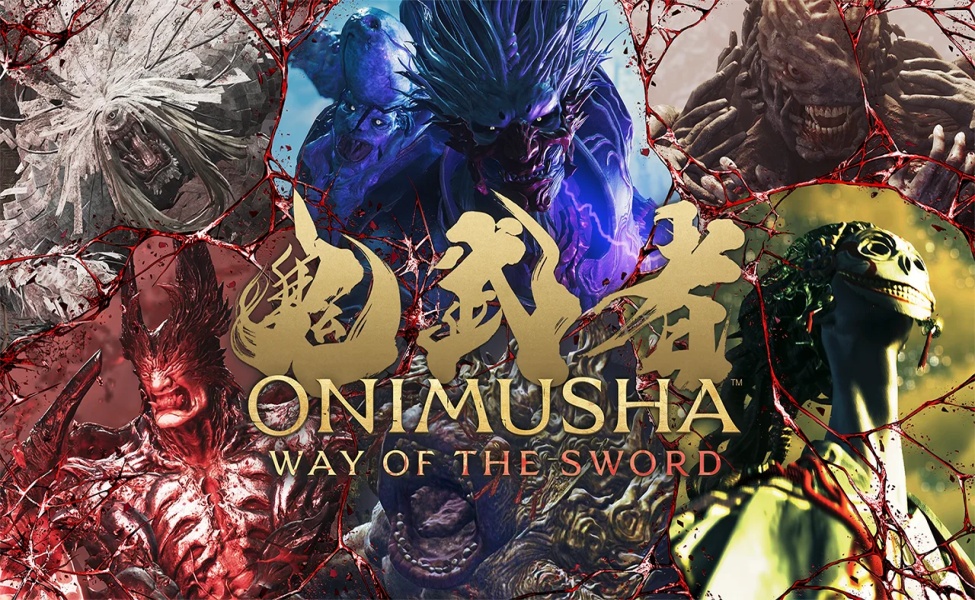
Before dissecting the hit-zone data and progression economy, here is the raw intel. The game launches across PS5, Xbox Series X|S, PC (Steam, Epic, Microsoft Store), and the Nintendo Switch 2.

You play as a resurrected Miyamoto Musashi, exploring a wide-linear, early Edo-period Kyoto twisted by Malice. Expect a ~20-hour campaign if you strictly hunt bosses, stretching to 30+ hours if you clear the side maps.
Review aggregator OpenCritic sits at a solid 86, with early Metacritic scores matching the franchise-high legacy of Onimusha 3.
The ESRB Mature 17+ rating is earned entirely through the game’s dynamic dismemberment system.
See Also: Argus “Raiden Maru” Skin: Lore, Visuals, Price & Best S42 Build
Deconstructing Combat Engine Mechanics and Issen Frame Windows
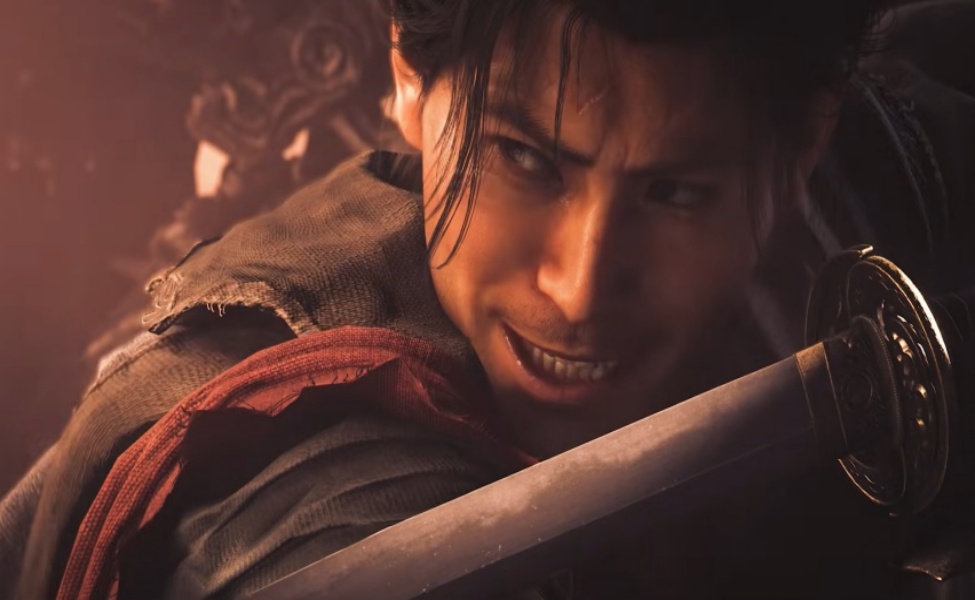
This is a one-katana game. Classic entries handed out weapon swaps like candy, but this revival anchors its entire mechanical identity to a single blade and a sentient Oni Gauntlet.
The progression economy heavily punishes players who fail to adapt to the game’s strict defensive options.
The RE Engine shines when handling critical counters. The absolute tilt of mistiming an Issen and taking massive damage from a heavy Genma unit is a harsh reality in the early hours.
However, the sheer mechanical satisfaction of chaining multiple critical kills in a single room remains unmatched.
Capcom mocapped real swordsmen to ground the animation data, ensuring that an Issen reads as a physical weapon clash rather than an arcade teleport.
Five Answers to One Question
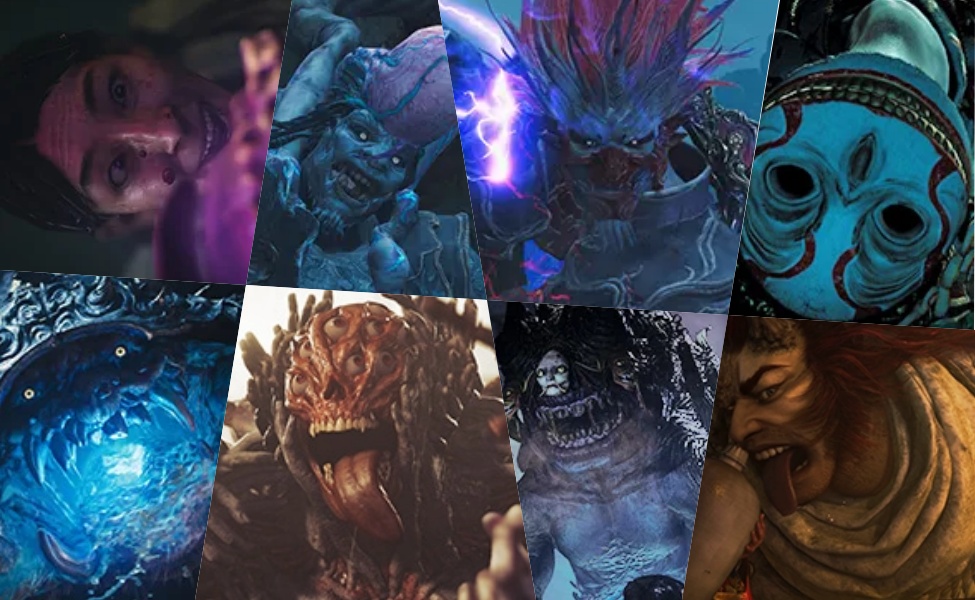
The combat engine is essentially a high-stakes reading test. Enemy telegraphs demand one of five specific inputs, and inputting the wrong response results in immediate structural damage to your posture.
- Parry (Timed Guard): This is your foundational tool. It locks blades and builds the Blazing State gauge to juice your sword damage. Extending a parry allows you to manipulate enemy momentum, steering heavy units into walls or hazards.
- Deflect: Your primary stagger mechanic. Deflecting builds the enemy stagger gauge and explicitly counters incoming projectiles.
- Issen (Critical Counter): The series’ signature mechanic. You attack in the exact sliver of time before an enemy hitbox connects. It functions as an instant kill on low-tier fodder and deals massive chunk damage to elites.
- Chain Issen: Landing a clean Issen opens a window to press the heavy attack button, allowing you to sequence critical kills through an entire mob spawn.
- Blade Barrage: A high-skill, high-risk counter. You must identify the incoming attack string and match it with a mirrored sequence. Dropping the input string drains your stamina and leaves you wide open.
Dynamic Dismemberment and Hit-Zone Data
Combat features a dynamic dismemberment system where the cut physically follows the exact angle of your controller input.
Draining an enemy’s stamina enables a Break Issen execution. Against standard Genma, this results in a guaranteed amputation.

Against bosses like Shuten Doji, you face a tactical choice: execute for massive raw damage, or siphon extra souls to fuel your progression economy.
Capcom provides two control layouts to manage this loadout. “Aggressive” binds actions to face buttons, catering to character-action veterans.
“Defensive” moves the block function to L1/LB, mimicking a fighting game guard. We recommend testing both on the first boss to lock in your spatial awareness early.
See Also: MLBB 10th Anniversary: Confirmed Date, Free Skin & All Changes
How to Optimize Your Genma Soul Absorption Routing
The logistical relief of finally finding an Altar save point after a punishing gauntlet is amplified by the game’s strict soul economy.
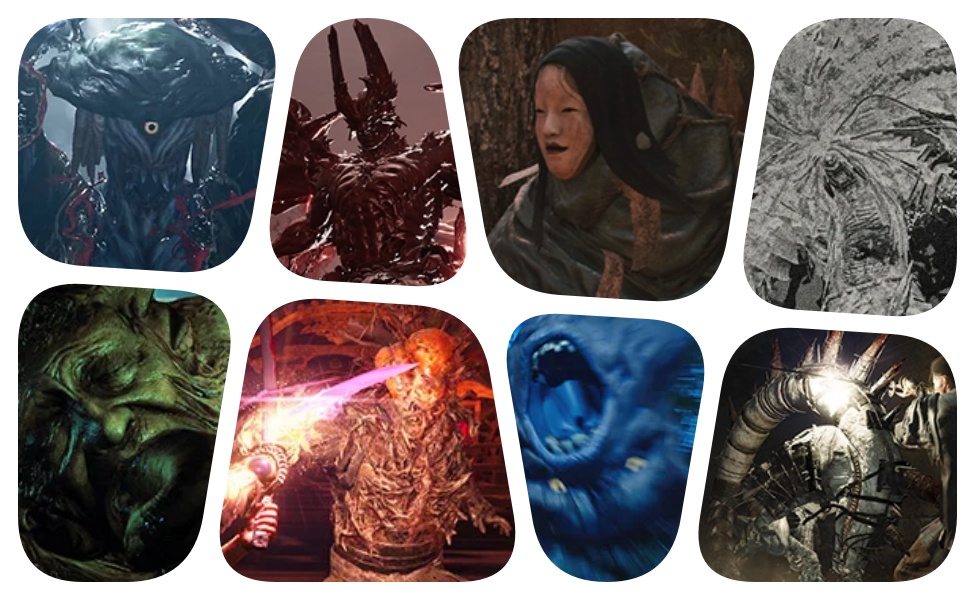
The Oni Gauntlet handles resource management via color-coded souls: Yellow for health, Red for skill tree upgrades, and Blue to charge Oni Armaments (your high-damage special cooldowns).
You cannot absorb souls mid-combo at the start of the game. That efficiency is locked behind a later skill tree node to force deliberate pacing.
Absorbing souls from behind an enemy triggers an automatic repositioning animation, preventing Musashi’s blade from clipping through the opponent.
Tactical routing is essential; the August patch introduced the boss Daidara, a massive Genma who actively eats uncollected souls off the ground.
If you leave your economy sitting on the floor out of greed, the boss will consume your upgrade currency.
Onimusha’s Story and Setting: The Character Hook Capcom Almost Scrapped
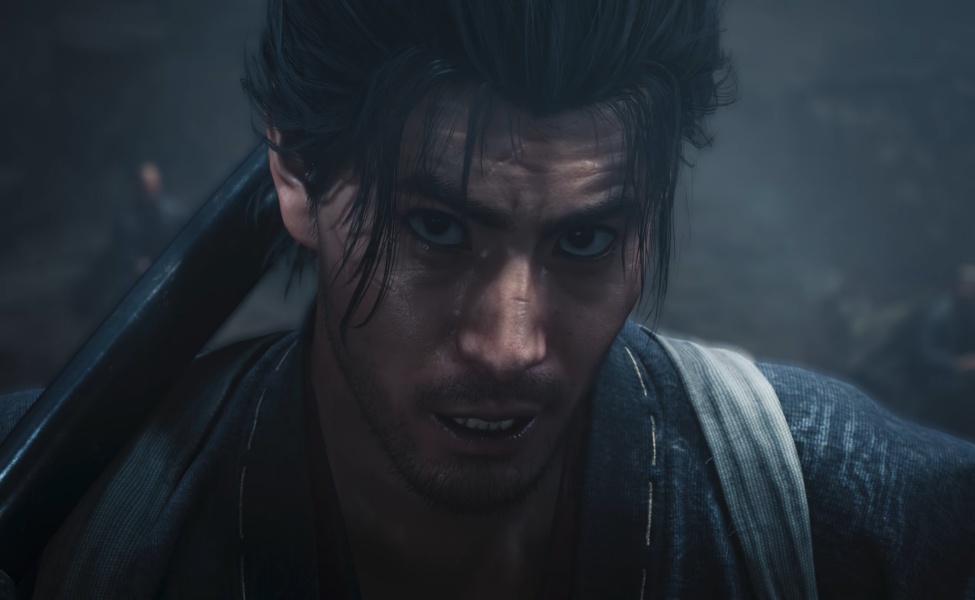
Capcom originally prototyped a nameless samurai for this project. They pivoted to Miyamoto Musashi strictly for global marketability, securing the likeness of the late cinema icon Toshiro Mifune.
The Japanese voice acting by Yoshimasa Hosoya delivers a cocky, arrogant artist of violence, rather than a generic stoic warrior.
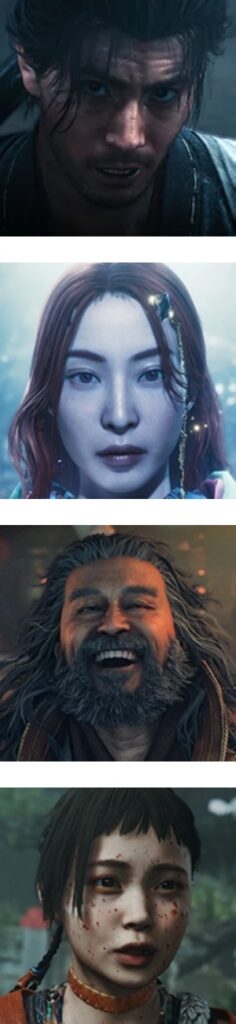
The plot operates as a clean timeline reboot, meaning zero franchise homework is required. Musashi is killed by Genma in Kyoto, revived by the Oni Lady (the spirit residing in his gauntlet), and spends the campaign resenting his reliance on borrowed demonic power.
His historical rivalry with Sasaki Ganryu serves as a recurring boss duel, testing your parry timing at multiple milestones.
The narrative utilizes real-world Kyoto geography, heavily researching locations like Kiyomizu-dera before mutating them with the Genma invasion.
See Also: Is ANANTA Out? Combat, Cities & Release Breakdown
The Map Controversy: Hub Chores vs. Boss Gauntlets
The development team specifically built a $70 game that adults can actually finish. Director Nihei explicitly stated they refused to design a 100-hour open-world checklist. The result is a wide-linear Kyoto hub map that connects tightly designed, linear action stages.

This structure is currently dividing reviewers. The primary path, driven by cinematic boss encounters and precise blade combat, is universally praised.
The side content, consisting of formulaic hub tasks and minor Genma clearing, feels dated. If you strictly follow the critical path and ignore the map padding, the pacing remains relentless.
Altars act as rest points, respawning enemies to allow for soul farming if you hit a progression wall before a major fight.
Platforms, Performance Scaling, and Install Sizes
The RE Engine scales aggressively across hardware.
- PS5 / Xbox Series X: Performance mode targets an upscaled 4K at 60 fps, while Quality mode locks a native 4K at 30–40 fps. The game carries a PS5 Pro Enhanced tag for higher fidelity.
- PC: Requires an SSD and an initial 50 GB footprint. The engine supports DLSS 4.5 and FSR 3.1. Baseline 1080p30 requires a GTX 1660 or RX 5500 XT. Pushing 1080p60 on Medium settings demands an RTX 2060 Super. If you want native 4K Ultra, you need an RTX 4070 Ti or RX 7900 XT.
- Nintendo Switch 2: A highly competent port. Docked mode outputs an upscaled 1080p at 30 fps, dropping to 900p handheld. It notably includes Joy-Con 2 motion controls for physical sword swings and bow aiming.
Onimusha Way of the Sword Editions, Pricing, and the Buyer’s Filter
Capcom is offering four tiers, but the value proposition is entirely cosmetic above the base tier.
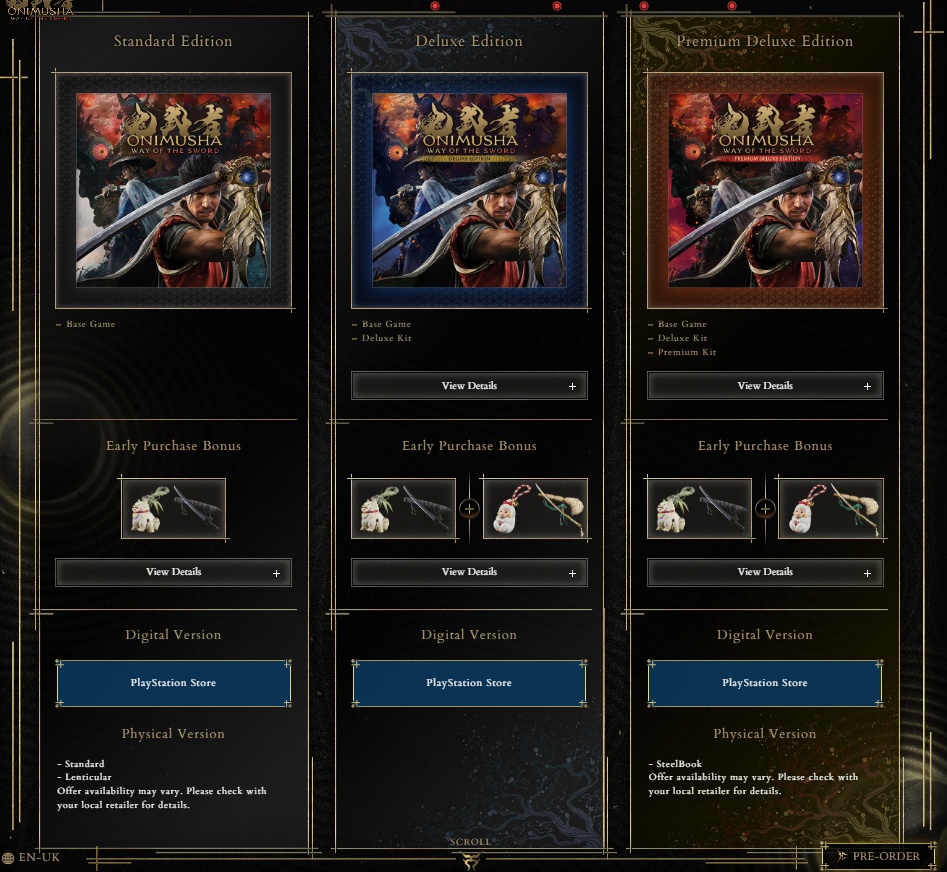
- Standard ($69.99): The base game. The only rational choice for mechanics-focused players.
- Steelbook (~$74.99): Standard game with a metal case.
- Digital Deluxe ($79.99): Adds the Deluxe Kit, including charm modifiers, sword skins (like the Raizan throwback), and Crimson Lotus gauntlet cosmetics.
- Premium Deluxe ($89.99): Includes all Deluxe items plus additional haori outfits and an in-game mini soundtrack.
No edition grants early access. PC keys are already seeing ~18% discounts on verified storefronts like Fanatical.
If you played the public demo, do not delete your save data; carrying it into the main client unlocks the Kubi Akari charm, granting a free early-game stat buff.
Exclusive Joytify Pre-Order Promotion (SEA Region)
If you are looking to secure a PC copy ahead of time, there is a special Joytify promotional voucher currently running that offers a 9% discount on (Pre-order) Onimusha: Way of the Sword Steam CD Keys. Joytify is an official supplier providing a money-back guarantee.
Important Note for this Voucher: This specific CD Key can only be used in South East Asia (except Singapore) and the voucher specifies a key release distribution date of September 25th, 2026.
Discounted Pre-Order Pricing:
- Standard Pre Order: ₱2,846.2 (Discounted from ₱3,127.7 – Save 9%)
- Deluxe Edition Pre Order: ₱3,249.68 (Discounted from ₱3,571.07 – Save 9%)
- Premium Deluxe Edition Pre Order: ₱3,687.56 (Discounted from ₱4,052.26 – Save 9%)
Reviews: Critics vs. The Demo Grinders
The critical consensus aligns closely with the hardcore community’s demo findings. Outlets like IGN awarded the game a 10/10, citing the sublime blade-clash animation and top-tier boss design. VGC scored it lower (3/5), penalizing the dated mission structure and hub filler.
The demo grinders discovered that Capcom intentionally softened the opening hours. The public trial pre-equipped high-level skills to ease onboarding.
In the retail build, enemies scale aggressively, and the mid-game boss spike serves as a hard skill check for your Issen consistency.
If you want maximum friction, swap immediately to the “Action” difficulty or push into New Game+ to access the true enemy aggression parameters.
See Also: Monster Hunter Outlanders: Release Date, Specs & Weapon Meta
Capcom successfully resurrected a dormant IP by focusing entirely on mechanical depth over map size. Onimusha: Way of the Sword delivers an incredibly polished, hyper-specific combat engine that rewards situational awareness and frame-perfect execution.
The hub-world padding occasionally disrupts the pacing, but the core boss encounters represent some of the highest-quality action design of 2026.
For the hardcore action community reading this: jump into the comments below and let us know your setup. Which Oni Armament are you prioritizing for your Genma soul routing?
How do you feel about the strictness of the current Issen frame windows compared to Warlords or Demon Siege? And most importantly, which mid-game boss delivered your hardest mechanical reality check? Drop your combat data below and let’s analyze the meta.
FAQs
Issen is a precision counter-strike system that rewards perfectly timed parries with devastating high-damage slashes against enemies. Mastering the exact frame window for an Issen strike is central to high-level play, as it bypasses standard damage reduction and can stagger even powerful foes.
Rather than emphasizing stamina management and dodge rolls, Way of the Sword focuses on aggressive blade-to-blade exchanges and precise parry timing rooted in the series' classic feel. The RE Engine implementation prioritizes responsive, frame-accurate inputs over slower, methodical resource depletion loops common in the soulslike genre.
Yes, Way of the Sword is the first mainline Onimusha entry since Dawn of Dreams, which launched in 2005, making this a two-decade gap between major releases in the franchise. Capcom built the new title entirely on the RE Engine to modernize the experience while honoring the series' roots.
TL;DR
- Onimusha: Way of the Sword launches on September 4, 2026, as the first mainline entry in the series in 20 years, emphasizing a return to traditional sword-based combat.
- The game features a single katana combat system and a dynamic dismemberment mechanic, with a focus on precise timing and critical counters known as Issen.
- The game is set in a wide-linear representation of early Edo-period Kyoto, where players control a resurrected Miyamoto Musashi, with a campaign lasting approximately 20-30 hours.